
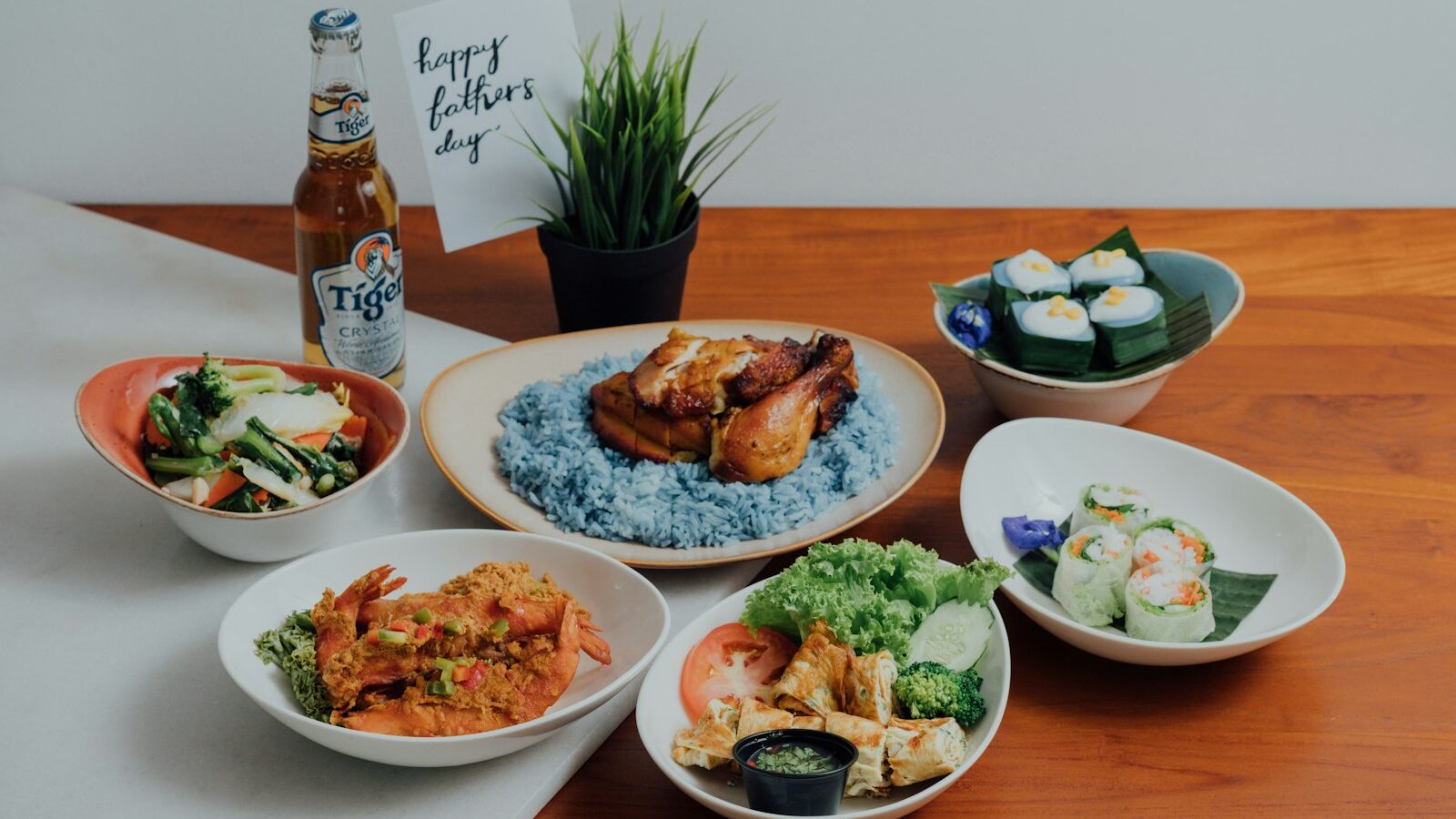
The reunion dinner is the emotional heart of Chinese New Year, a meal where families gather on the eve of the festival to share food, togetherness and hopes for the year ahead. Every dish carries meaning. This guide explores the reunion dinner tradition and the symbolic dishes that grace the table.
What the reunion dinner is
The reunion dinner, held on the eve of Chinese New Year, is one of the most important meals of the year for Chinese families. It brings the family together, often with members travelling to be present, to share a feast that celebrates unity and welcomes the new year. The emphasis is on togetherness, and the act of gathering is as significant as the food itself. Many of the dishes served are chosen for their auspicious meanings, expressing wishes for prosperity, longevity, happiness and good fortune in the year to come. It is a meal rich in both flavour and symbolism.
The symbolism of food
A defining feature of the reunion dinner is that dishes are chosen for what they represent, often through the sounds of their names or their appearance. This tradition of auspicious food turns the meal into a series of well-wishes, each dish a hope for the coming year. Understanding these meanings deepens the appreciation of the feast, revealing why certain foods are essential and why the table is arranged with such care. It is a beautiful blend of culinary tradition and cultural symbolism, where eating becomes an expression of hope and family bonds.
The essential dishes
- Yusheng, the raw fish salad tossed together for prosperity, unique to the region’s celebrations.
- Fish, served whole, symbolising abundance and surplus, as its name sounds like surplus.
- Pen cai, a lavish layered pot of premium ingredients, representing abundance and reunion.
- Dumplings, resembling old ingots, symbolising wealth.
- Longevity noodles, long and uncut, for a long life.
- Sweet treats and nian gao, for a sweet and higher year ahead.
Each of these dishes carries its own well-wish, and together they form a feast of meaning.
The lo hei ritual
| Element | Meaning |
|---|---|
| Tossing yusheng | Raising fortunes for the year ahead |
| The higher the toss | The greater the prosperity wished for |
| Auspicious phrases | Spoken while adding each ingredient |
| Communal act | Everyone participates together |
The tossing of yusheng, known as lo hei, is a beloved communal ritual, especially in Singapore and the region. Everyone gathers around the dish and tosses the ingredients high with their chopsticks while calling out auspicious phrases, the height of the toss symbolising rising fortunes. It is lively, joyful and deeply symbolic, a highlight of the festive dining season.
Pen cai: abundance in a pot
Pen cai deserves special mention as a dish that has become a popular centrepiece for reunion and festive dining. It is an elaborate one-pot dish layering premium ingredients, and its abundance and communal serving embody the spirit of reunion and prosperity. Sharing a pen cai, digging through its layers of treasures together, is a fitting expression of family togetherness and hopes for a bountiful year. Its popularity reflects how the reunion dinner tradition continues to evolve while keeping its core meaning of abundance and unity.
The heart of the tradition
Beyond the specific dishes, the reunion dinner is fundamentally about family and togetherness. It is the meal where the family comes together, sometimes the one time a year everyone is in one place, to reconnect and share. The effort to be present, the preparation of the feast, and the shared meal all reinforce family bonds and mark the passage into a new year with hope and unity. This is why the reunion dinner is so emotionally significant, more than any single dish, it is a celebration of family itself, and the wishes shared over the table carry the warmth of that gathering.
How to enjoy it
- Embrace the symbolism, appreciating the meaning behind each dish.
- Participate in the lo hei, tossing yusheng with auspicious wishes.
- Value the togetherness, since being present is the heart of it.
- Share the pen cai, digging in communally.
- Savour the tradition, both the flavours and the meanings.
The takeaway
The reunion dinner is the soul of Chinese New Year, a feast where family togetherness and auspicious symbolism come together on one table. From the joyful tossing of yusheng and the abundance of pen cai to whole fish for surplus and longevity noodles for long life, every dish expresses a hope for the year ahead. Yet beyond the food, the true meaning lies in the gathering itself, the family reconnecting and sharing. Embrace the symbolism, participate in the rituals, and above all value the togetherness, and you will understand why the reunion dinner is the most cherished meal of the year.
Planning your reunion dinner in Singapore
For many Singapore families, the hardest part of the reunion dinner is not the cooking but the logistics. If you plan to dine out, popular restaurants and hotels take reservations for the eve of Chinese New Year well in advance, and prime seatings are often snapped up weeks ahead. Booking early, confirming your headcount and asking about set menus or minimum spends will save a great deal of stress closer to the day. If you prefer to gather at home, the same principle applies to ordered dishes: pre-order pen cai, roast meats and yusheng from your chosen shop early, and note the collection date and time, as many outlets stop taking orders once they are fully committed.
- Decide the format early, whether it is a full home-cooked spread, a restaurant booking, or a mix of home cooking with a few ordered centrepieces.
- Confirm the numbers, since reunion dinners often draw relatives who only gather once a year, and portioning affects both cost and how much yusheng and pen cai to order.
- Cater for everyone, keeping a vegetarian pen cai, a non-alcoholic option or milder dishes in mind if older relatives, young children or guests with dietary needs are joining.
- Plan collection and timing, allowing for heavier traffic and queues on the eve, and reheating time if you are serving ordered food at home.
Whichever route you choose, aim to have the table settled before the meal begins so that everyone can sit down together, which is the whole point of the gathering. If you are ordering online or paying deposits, keep to reputable, established sellers and check their stated collection terms rather than relying on last-minute arrangements.
Common pitfalls and family variations
A few simple missteps can take the shine off an otherwise lovely evening. The most common is leaving everything to the last minute, then finding that the pen cai is sold out or the restaurant is fully booked. Another is over-ordering: reunion spreads are generous by nature, and it is easy to end up with far more food than the family can finish, so it helps to scale dishes to your actual numbers. Etiquette matters too. When serving whole fish for surplus, tradition holds that you should not flip it over, and it is thoughtful to leave a little uneaten so the surplus symbolically carries into the new year.
It is also worth remembering that there is no single correct menu. Different dialect groups and families keep their own favourites, so a Teochew household, a Hokkien household and a Cantonese household may each have signature dishes that mean the most to them. The symbolic staples in this guide are widely shared, but the beauty of the reunion dinner lies in these personal touches, the recipe passed down from a grandparent or the one dish everyone insists must appear every year. Rather than chasing a perfect table, focus on the dishes your family loves and the people gathered around them.
Explore more: Yusheng and lo hei explained · Lunar New Year in Singapore · Chinese New Year snacks and goodies