
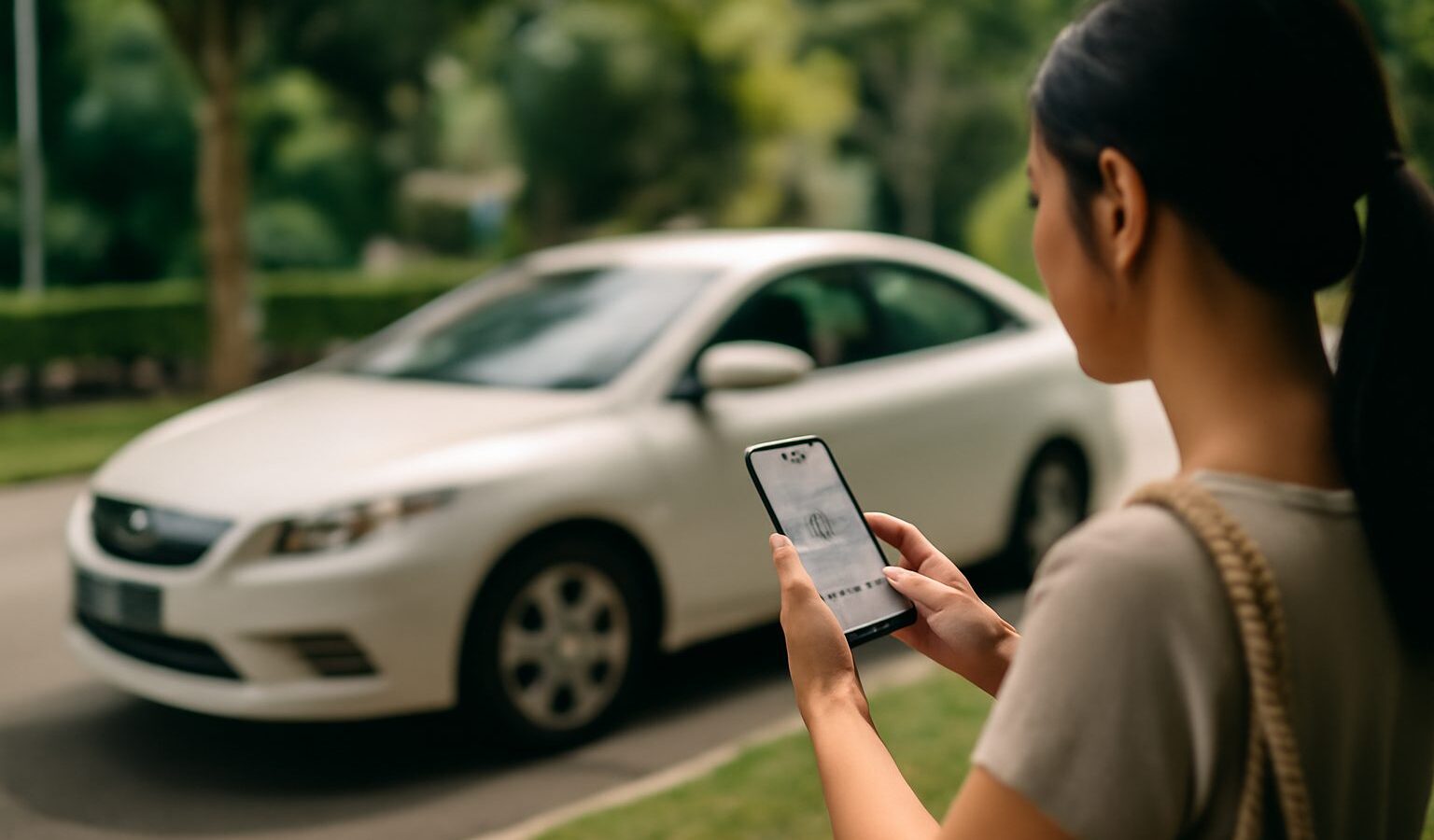
Getting around is easy once you know your options, and ride hailing singapore apps make it simple to book a car with your phone. If you relied on Didi (滴滴) back in mainland China, the habit transfers directly: you open an app, set your pickup and destination, see the fare up front, and a driver comes to you. The main players here are Grab and Gojek, alongside the traditional taxi companies that still run metered street cabs. This is general information to help you get moving; fares, promotions, and app features change, so check the app itself for current prices.
Grab, Gojek and Taxis at a Glance
Grab is the largest and most widely used app in Singapore, and the one most newcomers download first. Beyond rides it also does food delivery and payments, so it works a bit like a local super-app. Gojek, familiar to anyone who has spent time in Southeast Asia, is the main alternative for private-hire car rides and is worth having as a backup when Grab prices surge. Having both installed lets you compare fares and shorten your wait.
Taxis are the licensed street cabs run by companies such as ComfortDelGro, and they remain a solid option. You can flag one down on the street, join a taxi queue at malls and the airport, or book one through an app. Taxis run on a regulated meter with published surcharges, while Grab and Gojek show a fixed fare before you confirm. Both types of vehicle are safe, clean, and professionally driven.
How This Differs From Didi
The experience will feel familiar, but a few things differ from Didi at home. First, the default language is English: driver messages, app menus, and destination search work best in English, though you can often still find your way with map pins. Second, payment leans on cards rather than WeChat Pay or Alipay; you link a credit or debit card, or top up the app’s in-app wallet, rather than paying through a social app. Third, street-hail taxis are a normal, everyday choice here in a way that pure app-only markets are not, so you always have a fallback if your phone battery dies.
One more difference: fares are shown and honoured up front on the apps, so there is little of the fare-negotiation or dynamic haggling some newcomers worry about. During peak hours or rain, prices rise automatically, which is the app’s version of surge, and comparing Grab against Gojek helps you avoid the worst of it.
Payment, Tipping and Booking Basics
Setting up payment takes a minute. In the app, add a credit or debit card, or top up the in-app wallet, and the fare is charged automatically at the end of the trip so no cash changes hands. Taxis accept card and contactless payment too, and many take PayNow or cash if you prefer. A quick tip: enter your destination carefully, as Singapore has many similarly named places, and pin the exact block or building.
On tipping, Singapore has no strong tipping culture, and it is not expected for rides. The metered or app fare is the full price, and drivers do not rely on tips the way they might elsewhere. You are always free to round up or leave a small tip in the app for good service, but no one will think it rude if you do not. This is one less thing to calculate compared with some countries.
A few habits make each trip smoother:
- Have a backup app. When Grab prices surge in the rain, a quick check on Gojek or the taxi queue can save you money and time.
- Book from a clear pickup point. At malls and condos, use the signed drop-off and pickup bays so your driver finds you fast.
- Watch your route. The app shows the planned route on the map, so you can follow along just as you would with Didi at home.
- Keep some stored value handy. An EZ-Link or SimplyGo balance means you can always switch to the MRT or a bus if no car is available.
Airport Rides, Safety and Comparing With Public Transport
For arrivals at Changi Airport, you have several clean options: the official taxi queue, the app pickup points signposted in each terminal, and licensed limousine or larger-vehicle bookings for groups and heavy luggage. Airport trips may carry a location surcharge on both taxis and apps, which is normal and shown before you confirm. For late-night arrivals a taxi queue or a pre-booked ride is often the least stressful choice.
On safety, both apps record your trip, show the driver’s name and vehicle plate, and let you share your ride status with a friend or family member, so check that the plate matches before you get in. Wear your seatbelt, sit in the back if travelling alone, and use the in-app help if anything feels off. Singapore’s rides are generally very safe, but these habits are sensible anywhere.
The table below compares your main options:
| Option | Book how | Payment | Fare style | Best for |
|---|---|---|---|---|
| Grab | App | Card or in-app wallet | Fixed, shown upfront | Everyday rides, widest coverage |
| Gojek | App | Card or in-app wallet | Fixed, shown upfront | Comparing prices, backup app |
| Taxi (e.g. ComfortDelGro) | Street-hail, queue, or app | Card, contactless, PayNow, cash | Metered plus surcharges | Airport queues, no-app fallback |
| MRT and bus | Tap and go | EZ-Link or SimplyGo | Fixed low fares | Cheapest, fastest in peak traffic |
Ride-hailing is convenient, but it is not always the smartest choice. For most trips the MRT and bus network is far cheaper and often faster during rush hour, since trains skip the traffic. A good rule of thumb: take public transport for daily commuting and predictable routes, and save a Grab or taxi for late nights, heavy shopping, luggage, bad weather, or places awkward to reach by rail.
Explore More
To build your daily travel toolkit, pair this with our guide to public transport for newcomers from China, which covers the MRT, buses, and how to pay. And when you are setting up your phone for life here, our roundup of essential apps for Chinese newcomers in Singapore will help you install Grab, Gojek, and everything else in one sitting.