
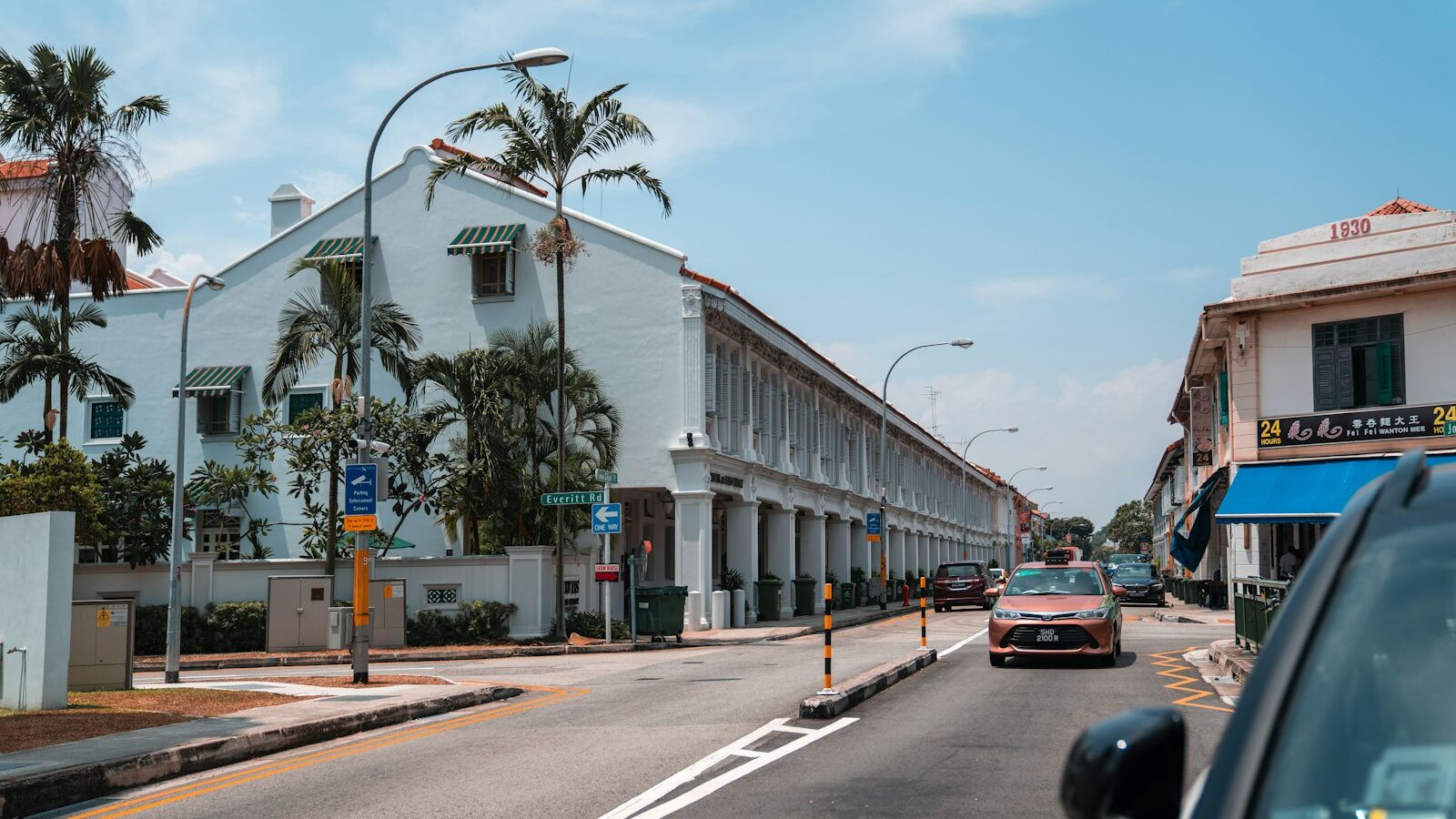
Getting a car to yourself without owning one has never been easier, and for a lot of people ride hailing in Singapore has quietly replaced the old habit of standing at the kerb with an arm out. You now have two overlapping worlds: the traditional street-hail taxi with its meter, and the app-based services that match you with a driver through your phone. Both get you from A to B in an air-conditioned car, but they price differently, book differently and suit different moments. This guide walks a newcomer through how the options work, how pricing behaves, how to pay, what the surcharges are about, and when a private car actually beats the train. For exact fares, surcharge amounts and the latest app features, always check directly with the taxi operators and the ride-hailing apps, because those numbers change and any figure quoted here would soon be wrong.
The Two Ways to Get a Ride
The first thing to understand is the split between street-hail taxis and app-based ride-hailing, because they feel similar but run on different rules.
- Street-hail taxis are the metered cabs you can flag down on the road, pick up at a taxi stand, or in some cases book by phone or app. The fare is calculated by the meter as you travel, based on a flag-down charge plus distance and time, with various surcharges added on top depending on when and where you travel.
- App-based ride-hailing matches you with a driver through an app. Here the price is usually quoted upfront before you confirm, so you see the whole cost in advance rather than watching a meter climb.
The lines have blurred over the years. Several taxi companies now have their own apps, some ride-hailing platforms also dispatch licensed taxis alongside private-hire cars, and a single app might offer you a metered taxi and a fixed-price private ride side by side. For a newcomer the practical distinction is simple: are you paying a running meter, or an upfront quoted price? That difference shapes how the cost behaves during busy periods.
How Pricing and Surge Actually Work
The most common surprise for visitors is that the same trip can cost very different amounts at different times. This comes down to how each model prices demand.
With a metered taxi, the base fare structure is fixed by the operator, but a series of surcharges apply on top: things like peak-period surcharges, late-night travel, certain locations, and public holidays. The meter itself does not jump around with demand, but the add-ons can stack up.
With ride-hailing, the app uses dynamic pricing. When lots of people want a ride and few drivers are free, the quoted price rises to reflect that; when things are quiet, it settles back down. This is what people mean by surge or dynamic pricing. It is not random, it tracks supply and demand in your area at that moment. The upside is you see the number before you commit, so there is no nasty surprise at the end; the downside is that during a downpour, a public holiday, or the after-work rush, that number can climb sharply.
A few habits keep costs sensible:
- Check the quoted price before confirming, and compare a couple of options if the app shows them.
- If the price looks inflated, waiting for demand to ease, or walking to a quieter pickup point, often lowers it.
- During rain or peak hours, expect to pay more or wait longer, and plan around it.
Booking, Payment and Surcharges
Booking a ride-hailing trip is straightforward: enter your destination, pick the ride type, confirm, and the app shows your driver, the vehicle and the plate number so you can find the right car. For a street-hail taxi you simply get in and let the meter run, or book one through a taxi operator’s app or hotline.
Payment is mostly cashless now. Ride-hailing apps store a card or link to a local payment method and charge you automatically at the end, so you step out without fumbling for change. Taxis accept cash as well as cards and contactless payments, though it is worth confirming with the driver if you plan to pay by a specific method. Keep a payment backup in case an app or terminal has a hiccup.
On surcharges, the general picture is worth knowing even though the exact amounts belong to the operators. Trips from the airport typically carry an airport surcharge, rides into the city centre at busy times can attract a location or peak surcharge, and late-night, public-holiday and booking fees may apply, along with any road pricing the car incurs on your route. This is why an airport pickup or a midnight ride home costs more than the same distance at a quiet mid-morning hour. Check the current surcharge schedule with the operator or in the app’s fare breakdown.
Safety, Etiquette and Tipping
Both taxis and ride-hailing here are generally safe and well regulated, and a few simple habits keep it that way. Before you get in, check that the car’s plate matches the one in the app. Sit where you are comfortable, wear your seatbelt, and share your trip details with someone if you are travelling late or alone. If anything feels off, you can end the trip and use the app’s help and reporting tools.
Etiquette is low-key. Greet the driver, confirm your destination, and let them focus on the road. Eating strong-smelling food, slamming doors, or leaving a mess is poor form. If you need the aircon adjusted or a different route, just ask politely.
Tipping is not expected in Singapore. There is no tipping culture for taxis or ride-hailing, and drivers do not rely on it. Ride-hailing apps sometimes offer an optional tip or a rating with a thank-you, which is entirely up to you; rounding up or leaving a small tip for a helpful driver is a kind gesture, not an obligation. Rating your driver fairly in the app is the more meaningful courtesy here.
When a Taxi or Ride Beats the Train
A private ride is not always the smart choice. The MRT and bus network is fast, cheap and covers most of the island, so for routine trips it usually wins on cost. But there are clear moments when paying for a car makes sense: late at night when trains have stopped, when you are carrying heavy luggage or shopping, when you are travelling with young children or someone who cannot manage stairs and crowds, when rain makes walking to the station miserable, or when you are in a genuine hurry and the door-to-door time matters. Groups splitting one fare can also make a ride competitive with several train tickets.
The table below compares a typical point-to-point trip across the three options in general terms, so you can weigh them for your own situation.
| Factor | Street-hail taxi | Ride-hailing app | MRT or bus |
|---|---|---|---|
| Typical cost | Higher; metered plus surcharges | Higher; upfront quote, varies with demand | Lowest per trip |
| Price certainty | Meter runs, total known at the end | Quoted upfront before you confirm | Fixed and predictable |
| Convenience | Flag down or book, door to door | Book on the app, door to door | Walk to and from stations or stops |
| Busy periods | Surcharges apply, may be hard to find | Surge pricing pushes the quote up | Crowded but steady and reliable |
| Late night | Available with late-night surcharge | Available, often at higher demand pricing | Limited once services stop |
| Best for | A quick ride without an app | Planned door-to-door trips, cashless | Everyday travel on a budget |
Tips for Newcomers
If you have just arrived, set up at least one ride-hailing app and link a payment method before you need it, so your first airport or late-night trip is painless. Learn to read the fare breakdown so surcharges do not surprise you. Default to the MRT for everyday journeys and save the private ride for the moments that justify it: bad weather, heavy bags, odd hours or a real time crunch. Keep some cash as a backup, always match the plate before getting in, and remember that tipping is not expected here.
Explore more
If you are weighing life without a car, our guide to getting around Singapore without a car puts ride-hailing in context alongside trains and buses. And for making the daily journey smoother and cheaper, see our commuting tips for Singapore.
Related across Sky Media: Ride-Hailing in Singapore: Grab and Gojek for Newcomers