
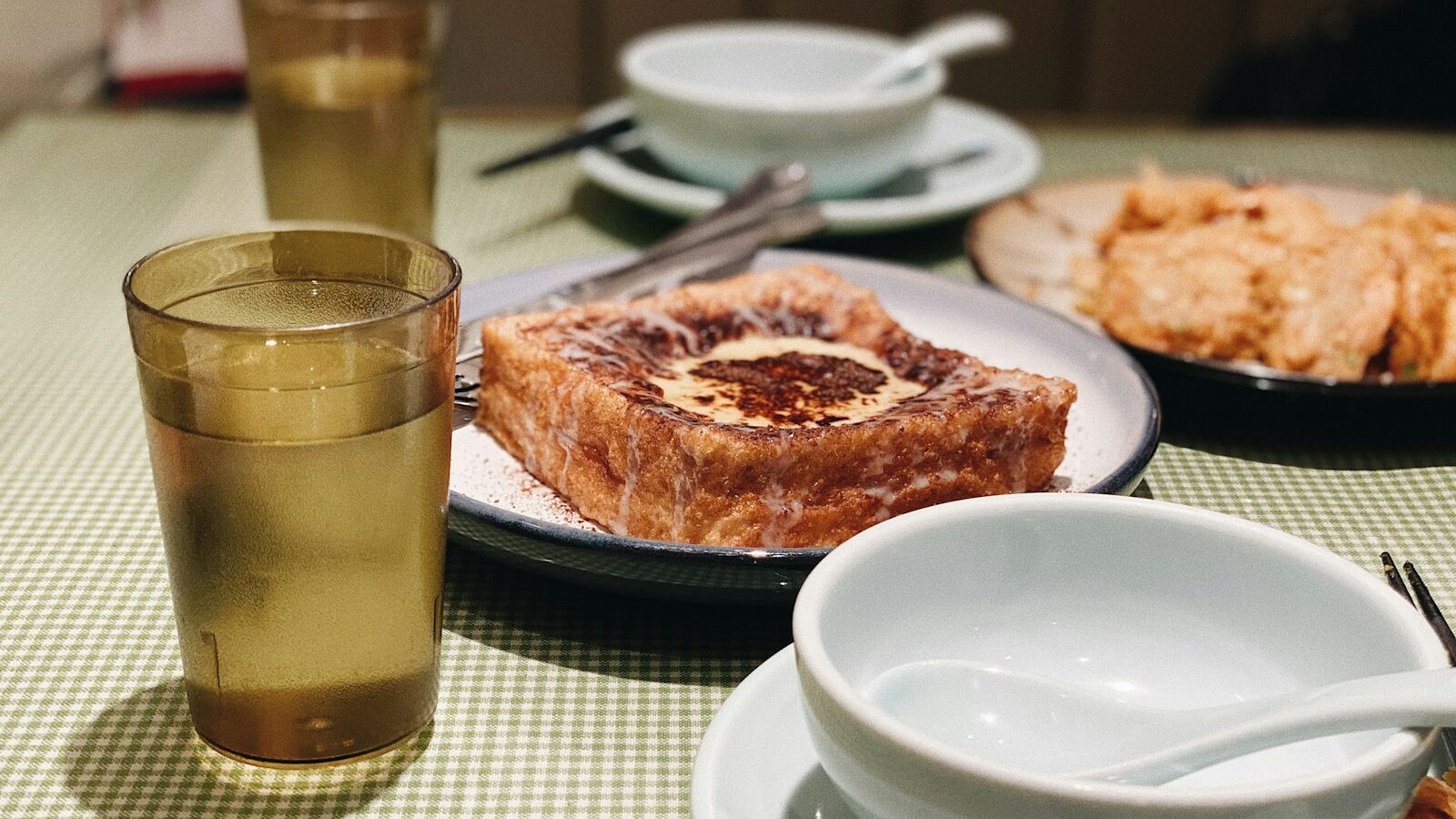
There is a particular sound that signals roti john is on the way. It is the sizzle of a split baguette being pressed face down into a slick of beaten egg and minced meat on a hot griddle, the edges crisping while the inside stays soft. Roti john singapore is comfort food in its most generous form, a hearty, savoury sandwich that turns up at mamak stalls, night markets and coffee shops whenever appetite and budget call for something filling. It is the kind of dish that fuels late nights and lazy weekend breakfasts in equal measure.
This guide explains what roti john is, traces the friendly legend behind its name, breaks down how it is assembled on the griddle, and points you towards where it is typically found. Whether you are a lifelong fan or trying it for the first time, there is more to this humble bread than meets the eye.
What Roti John Is
At its simplest, roti john is a long bread roll, usually a soft baguette or a French loaf style bread, split lengthwise and cooked with a topping of beaten egg mixed with minced meat and onions. The bread is pressed into the egg mixture on a griddle so that the two fuse together, then flipped so the outside toasts to a golden crust while the egg sets and the inside warms through. The result is part sandwich, part omelette, entirely satisfying.
The dish sits within the Malay and Indian-Muslim food traditions in Singapore and Malaysia, and it is usually prepared as a halal dish, most often with minced mutton, beef or chicken. As always, halal status depends on the individual vendor, so if certification is important to you it is worth looking for a halal certificate rather than assuming. Sardine versions exist too, folding tinned sardine into the egg for a tangier, fishier take.
Roti john is typically served sliced into thick pieces and paired with a dip. Chilli sauce is the classic partner, sometimes a sweet chilli, sometimes a tangier sauce, and some stalls offer a drizzle of mayonnaise or a savoury gravy. The dips matter more than you might think, cutting through the richness and adding a bright note to each bite.
The Story Behind The Name
Ask around and you will hear a charming origin tale attached to roti john. The popular story goes that decades ago a vendor served this egg and bread creation to a Western customer, addressing him with the friendly, catch-all name “John” that was often used for European men at the time. The dish became “roti John”, literally John’s bread, and the name stuck.
Like many hawker legends, the details are hard to verify and versions of the story differ, so it is best enjoyed as folklore rather than documented history. What the tale does capture nicely is the dish’s spirit as a bit of culinary improvisation, a local reworking of familiar ingredients into something new. However it truly came to be named, roti john has long since become a beloved fixture of the region’s street food landscape.
How It Is Made On The Griddle
The magic of roti john happens fast and in the open, which is part of why it is so satisfying to watch. A vendor beats eggs together with minced meat, chopped onions and seasoning, sometimes adding spices or a splash of curry powder for warmth. This mixture is ladled onto a hot, oiled griddle in a rough baguette shape.
The split bread is then laid cut side down straight onto the egg mixture and pressed firmly so it soaks up the egg and the two bind into one. As the base cooks, the vendor flips the whole thing to toast the outer crust, adding a little more oil or butter for colour and crunch. Some cooks build up extra egg on top, others keep it lean, and the amount of meat varies from a light scatter to a hearty layer.
Once cooked, the loaf is cut across into slices for easy sharing and eating. The best examples strike a balance of textures, a crisp exterior, a tender middle, and pockets of savoury egg and meat throughout. Onions add sweetness and bite, and the chosen dip ties it all together. It is unfussy cooking, but doing it well takes a practised hand on the griddle and a good sense of timing.
Variations Worth Knowing
Roti john is a flexible template, and vendors have run with it. The table below lays out a few common versions so you know what you are ordering.
| Version | Main filling | Flavour note | Good for |
|---|---|---|---|
| Classic meat | Minced mutton or beef and egg | Savoury and hearty | A filling snack or meal |
| Chicken | Minced chicken and egg | Lighter, milder | Those who prefer chicken |
| Sardine | Tinned sardine and egg | Tangy and fishy | Fans of bolder flavour |
| Cheese loaded | Meat, egg and melted cheese | Rich and indulgent | A treat or supper craving |
Cheese has become an increasingly popular addition, melted over the top or folded in for a gooey finish. Some places pile on generous fillings and rebrand the dish as a “special”, but the soul of roti john remains the same simple trio of bread, egg and savoury topping.
Where To Find It and How To Enjoy It
Roti john is most reliably found at Malay and Indian-Muslim stalls, at Ramadan bazaars and night markets, and at coffee shops and hawker centres that serve griddle dishes. It is especially popular during the fasting month, when bazaars fill with the aroma of it cooking, though many stalls serve it year round. Stalls and opening hours change over time, so it is always wise to check current information before heading out for a specific vendor.
A few pointers for enjoying it at its best. Eat roti john while it is hot, when the crust is at its crispest and the egg still soft. Do not skip the chilli or sauce, since the dip is designed to lift the richness. And consider sharing, because a full loaf is generous and it travels well as part of a spread with other street food favourites.
Roti john is proof that some of the most satisfying food comes from simple ideas executed with care. It is affordable, filling and endlessly comforting, a slice of Singapore’s street food heritage that has earned its enduring place on the griddle.
Explore more
Mamak and Teh Tarik Guide
Roti Prata Guide
Sup Tulang Guide
Indian Breakfast Guide