
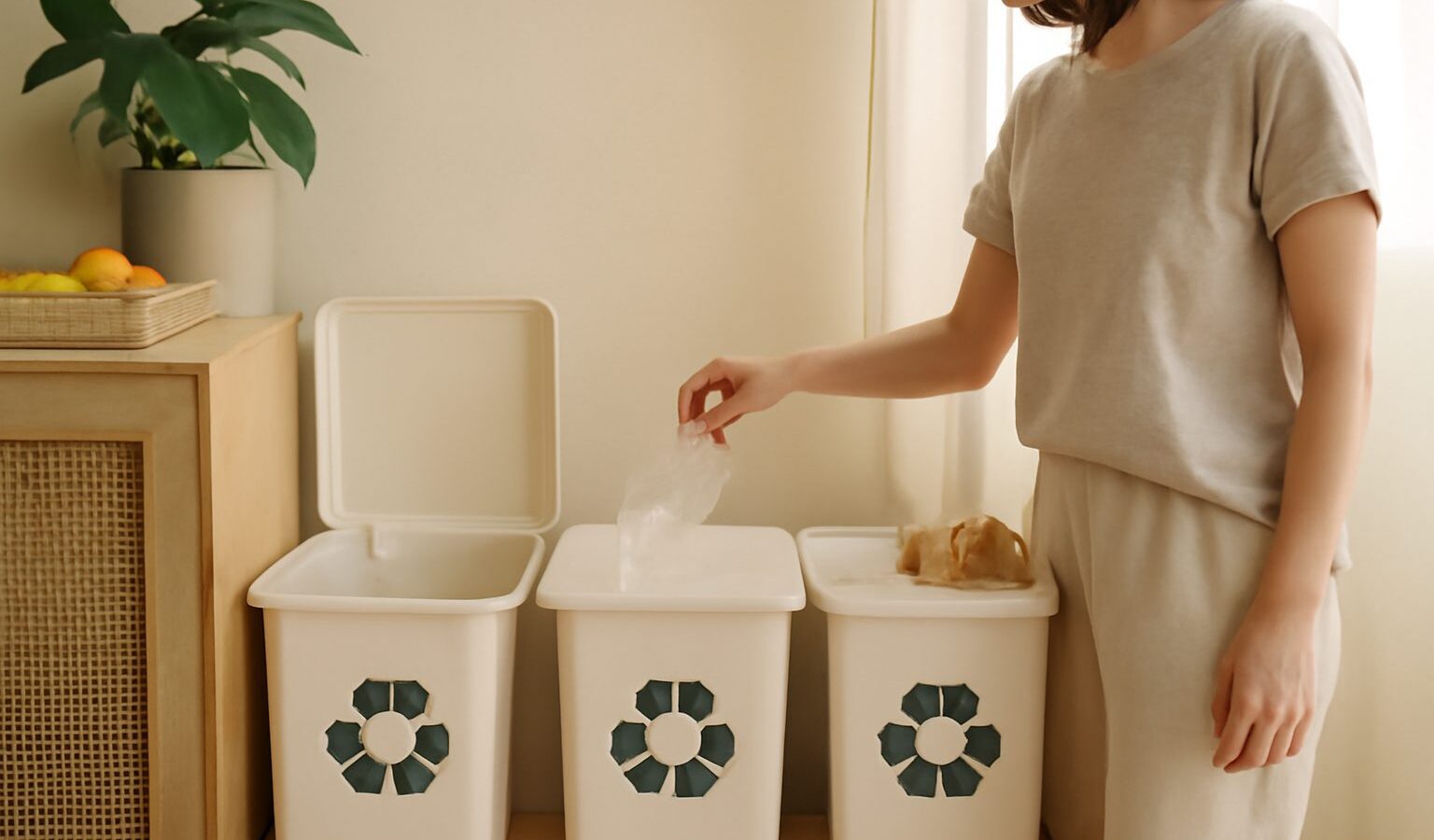
A good home recycling system turns recycling from a guilty afterthought into a simple daily habit. In Singapore, the blue recycling bin makes participation easy, yet a lot of well-meaning recycling ends up rejected because items are contaminated or simply do not belong. The fix is a small amount of setup at home so that sorting becomes automatic. This guide shows you how to build a practical system, what generally goes in the blue bin, and where to send the things that do not. Always check the latest NEA guidance, since rules and accepted items can change.
Why a system beats good intentions
Most people want to recycle, but a single overflowing bag by the door leads to mixed, dirty recycling that cannot be processed. Blue-bin recycling in Singapore is collected together and sorted later, so the biggest problem is contamination. A greasy food container or a half-full bottle can spoil other clean recyclables around it. A home recycling system solves this by making it easy to keep recyclables clean and separate from the start.
What generally goes in the blue bin
Singapore’s blue bins accept the main recyclable materials mixed together. As a general guide, and always subject to current NEA advice, the blue bin is for:
- Paper: Newspapers, magazines, cardboard, office paper, and paper packaging that is clean and dry.
- Plastic: Bottles, containers, and packaging, emptied and rinsed.
- Metal: Drink cans, food tins, and clean foil.
- Glass: Bottles and jars, rinsed.
The recurring theme is clean and dry. If in doubt about a specific item, check NEA’s guidance rather than guessing, because a wrong item can contaminate a whole batch.
What does not belong in the blue bin
Just as important is knowing what to keep out. Commonly rejected items include:
- Food waste and heavily soiled containers
- Used tissues, paper towels, and food-stained packaging such as pizza boxes
- Styrofoam and many soft plastics, depending on current rules
- Electrical items and batteries, which have their own channels
- Light bulbs, ceramics, and mirrors
- Anything wet or contaminated with food or liquid
When you are unsure, it is better to check than to wish-cycle. Putting the wrong thing in hoping it will be sorted often causes more harm than good.
Design your home sorting station
The heart of a home recycling system is a spot where sorting takes no thought. Set it up around how your household actually lives.
- Pick a location near where waste is created, usually the kitchen. Convenience drives consistency.
- Choose containers that fit your space. A two-bin setup, one for general waste and one for recyclables, is enough for most flats since the blue bin takes materials mixed.
- Add a rinse habit. Keep recyclables near the sink so rinsing a bottle or tin is a two-second job.
- Label clearly if household members are unsure what goes where. A simple list on the cupboard door settles most debates.
- Set a routine for carrying recyclables down to the blue bin so they do not pile up and get messy.
Compare simple home setups
Your ideal setup depends on your space and household size. This table compares three common approaches.
| Setup | Best for | Space needed | Effort |
|---|---|---|---|
| Single recycling bin | Small flats, mixed blue-bin recycling | Low | Very low |
| Two-bin split, waste and recyclables | Most households | Low to moderate | Low |
| Multi-container sort with e-waste box | Keen recyclers, larger homes | Moderate to high | Moderate |
Start simple. A single well-used recycling bin beats an elaborate system that nobody keeps up.
Handling e-waste the right way
Electronic waste does not belong in the blue bin, and it is worth handling properly because it can contain valuable and hazardous materials. In Singapore there are dedicated e-waste channels and collection points for items such as:
- Old phones, laptops, and tablets
- Batteries and power banks
- Bulbs and fluorescent tubes
- Small household appliances
- Cables and chargers
Keep a small box at home for e-waste and take it to a proper collection point when it fills. Check NEA and the relevant scheme details for the nearest drop-off and what each point accepts, since these can change.
Other channels beyond the blue bin
Some items are best kept out of both the blue bin and general waste.
- Clothing and textiles: Donate wearable items or use textile collection channels rather than binning them.
- Cooking oil: Some estates and initiatives collect used oil, which should never go down the drain.
- Bulky items and furniture: These have their own removal arrangements. Check with your town council or the relevant service.
- Reusables: Before recycling, ask whether an item can be reused, repaired, or passed on. Reuse beats recycling every time.
Keep contamination low
Since contamination is the main reason recycling gets rejected, a few habits protect the whole effort.
- Empty and rinse containers before they go in.
- Keep recyclables loose rather than bagged, unless local guidance says otherwise, so they can be sorted.
- Flatten cardboard to save space and keep the bin tidy.
- Do not include anything greasy, wet, or food-stained.
Clean recycling is far more likely to be turned into something new, so a quick rinse is never wasted effort.
Small effort, lasting habit
A home recycling system works because it removes friction. Set up a convenient sorting spot, learn what does and does not belong in the blue bin, keep a box for e-waste, and rinse before you recycle. Lean on current NEA guidance whenever you are unsure, since accepted items and channels do change. With the system in place, recycling stops being a chore and becomes a natural part of running your home.
Explore more: Zero waste home ideas for Singapore · Sustainable home ideas for Singapore · How to improve indoor air quality at home in Singapore