
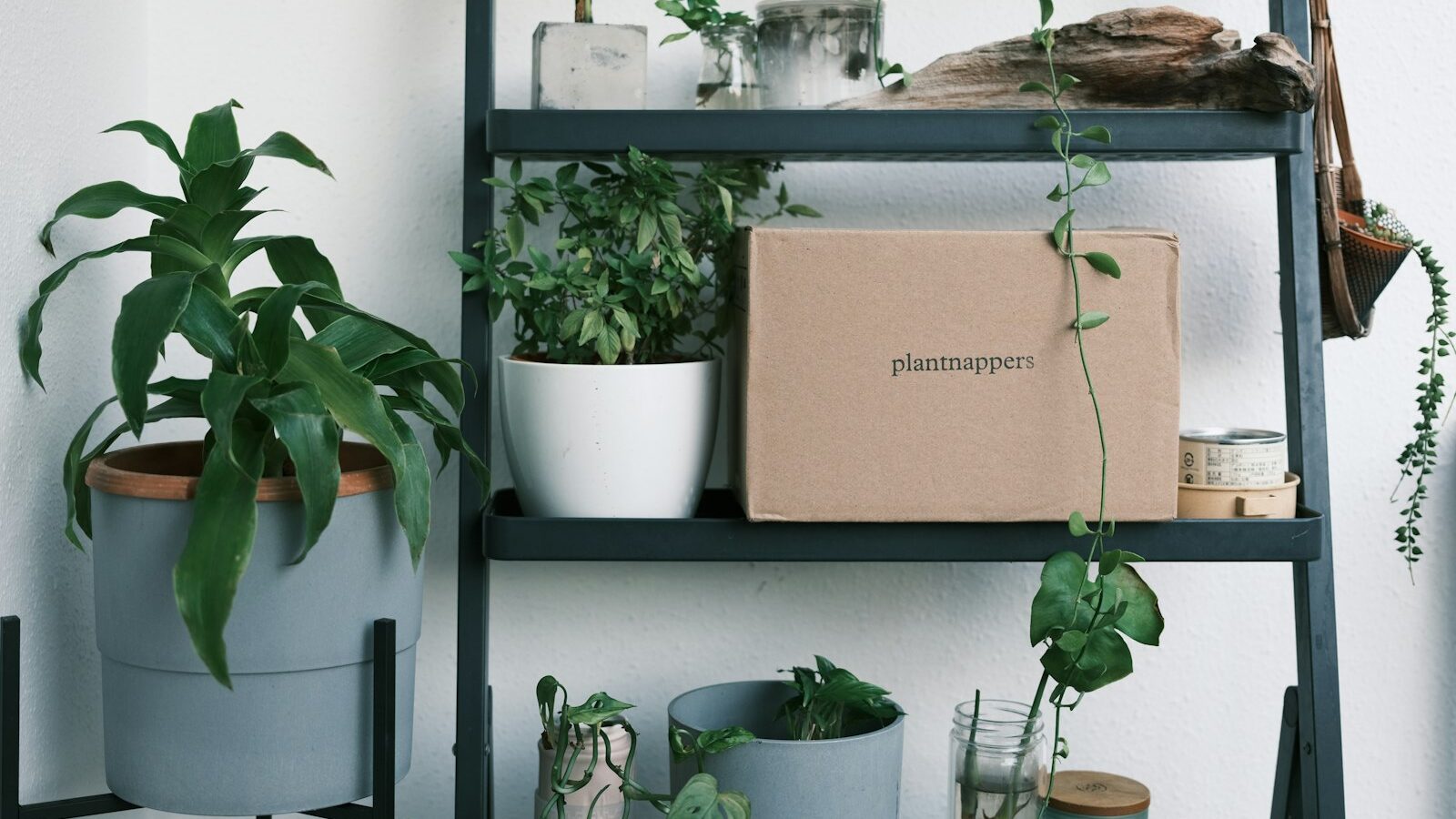
Growing a few plants at home is one of life’s small pleasures, but our climate throws up real challenges: fierce afternoon sun on one side of the block, a shaded corridor on the other, and the constant question of whether you have watered too much or too little. This is where technology can lend a hand. For anyone curious about smart gardening singapore balconies and windowsills are a fine place to start, and the right gadgets can turn a struggling pot into a thriving one. This guide covers the categories, the features worth having, and the honest trade-offs, without pretending any single product is the magic answer.
What Smart Gardening Gadgets Actually Do
Smart gardening tools mostly aim at one thing: taking the guesswork out of caring for plants. They measure conditions or automate a chore so you are not relying on memory and hope.
The main categories include:
- Soil sensors: probes that read moisture, and sometimes light, temperature, and nutrient levels, then send readings to your phone. Useful if you tend to over-water or under-water.
- Automatic watering systems: timers, drip kits, and pumps that water on a schedule or when the soil dries out, handy over a long weekend away.
- Grow lights: adjustable LED lights for herbs and leafy greens in a shaded flat or an indoor corner with little natural sun.
- Indoor smart gardens: all-in-one units with built-in light, water reservoir, and reminders, aimed at herbs and small greens on a kitchen counter.
- Weather and condition monitors: track humidity and temperature so you can move plants or adjust care with the seasons.
Notice that many of these solve problems specific to our environment. A soil sensor helps because the same pot can dry out fast in full sun yet stay soggy in shade. A grow light matters because plenty of flats simply do not get enough direct light for herbs to flourish. Match the gadget to the actual problem you have, rather than buying the most feature-packed device on the shelf.
Features Worth Paying For, and What to Skip
Because product marketing loves big claims, it helps to separate the features that earn their keep from the ones that just add cost. Rather than chasing a “best” model, judge each gadget on how well it fits your plants and your space, and read current independent reviews before you buy.
Worth considering:
- Reliable moisture sensing, since this is the single biggest cause of plant trouble at home.
- A watering system sized to your setup, so a couple of pots do not need an elaborate multi-zone kit.
- Grow lights with a suitable spectrum and brightness for the plants you actually grow, plus a timer.
- Battery life and weather resistance for anything living outdoors on a hot, humid balcony.
Easier to skip:
- Sensors that measure nutrient levels with dramatic precision claims, which are often unreliable on cheap devices.
- Complex app ecosystems for what is really a two-pot balcony.
- Gadgets promising specific yields or growth speeds, since results depend on your plants, light, and care far more than any device.
If you would rather keep things simple, a plain smart plug can automate a small water pump or a grow light on a schedule without any dedicated gardening app. Our guide to smart plugs and switches shows how, and it is often all a modest balcony needs.
Gardening in an HDB Flat
Most of us are working with a balcony, a service yard, or a bright windowsill rather than a garden, and often as renters. That shapes what makes sense.
Practical points for local homes:
- Sun and heat: a west-facing balcony can be brutal in the afternoon, so moisture sensors and shaded placement matter more than fancy features.
- Space and power: keep gadgets compact and make sure there is a safe, weather-protected point for anything needing electricity outdoors.
- Water source: automatic watering usually draws from a small reservoir or tank, since a permanent tap connection is rarely practical on a balcony.
- Renting: stick to gadgets that need no drilling or fixed installation, so you can pack up and take them with you.
Because these tools connect to your home network and are part of a wider setup, it helps to think about how they fit your existing devices. If you have not settled on a platform, choosing a smart home ecosystem is worth reading first so your garden gadgets speak the same language as everything else. And if you want your watering or lighting to run on schedules or respond to conditions automatically, creating smart home automations and routines explains how to link it all together.
A Practical Wrap-Up
Smart gardening gadgets will not turn a brown thumb green on their own, but they remove a lot of the guesswork that kills houseplants: over-watering, under-watering, and too little light. Start with the problem you actually have, choose gadgets sized to a balcony or windowsill rather than a farm, and be wary of dramatic claims about yields or nutrients. Check current independent reviews, favour simple and rental-friendly setups, and let the tech handle the routine so you can enjoy the growing. Do that, and even a small, sun-baked HDB balcony can become a genuinely green corner of home.