
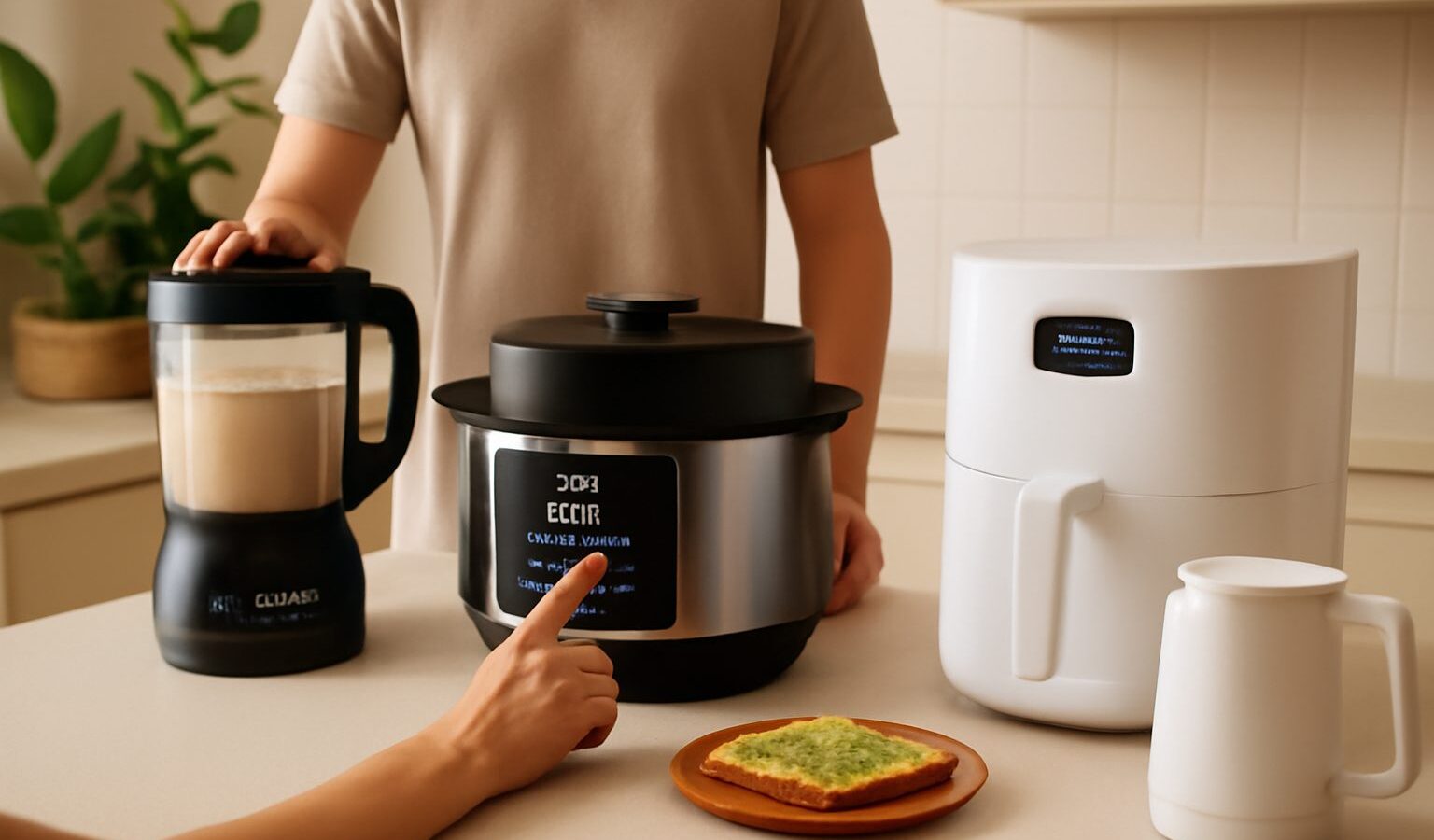
The kitchen has quietly become one of the busiest corners of the smart home. From app-controlled appliances to Wi-Fi kettles, smart kitchen gadgets singapore shoppers keep spotting online promise convenience, but they can also be gimmicky, pricey, and awkward to fit into a compact HDB kitchen. This guide walks through the main categories and the features worth caring about, so you can decide what genuinely helps and what is just a screen bolted onto something that worked fine already. We will not name “the best” model or quote prices, because those change constantly and the right pick depends on your kitchen. Instead, treat this as a checklist for reading current reviews and matching gadgets to your own needs.
The main categories
It helps to group smart kitchen gadgets by what they actually do.
- Connected cooking appliances. Air fryers, ovens, multi-cookers, and rice cookers that you can start, monitor, or adjust from an app, sometimes with guided recipes.
- Smart kettles and coffee machines. Devices that heat to a set temperature, keep warm, or start on a schedule.
- Kitchen scales and measurement tools. Bluetooth scales that pair with recipe apps for precise baking or portioning.
- Fridge and food management gadgets. Sensors, cameras, or trackers that help you keep tabs on what you have and reduce waste.
- Smart displays and speakers on the counter. Not cooking appliances themselves, but handy for timers, recipes, and hands-free control. Our guide to choosing a smart display goes deeper if that appeals.
Not every category will suit you. A serious home baker may love a smart scale, while a busy family might get more from a multi-cooker they can start on the way home.
Features that actually matter
When you compare options, look past the marketing and focus on features that affect daily use.
- Genuine convenience. Ask what the smart part really adds. Starting the rice cooker from your phone is useful; a fridge that tweets is not. If a feature would not change how you cook, you may not need it.
- Ecosystem and app quality. The companion app is where you will live. A clunky, ad-heavy, or unreliable app can ruin an otherwise good appliance. Check whether it works with the assistant you already use, and see our overview of choosing a smart home ecosystem.
- Connectivity. Most gadgets use your home Wi-Fi, so a stable network matters. If your kitchen is a dead spot, look at home wifi and mesh networking before you buy.
- Size and fit. HDB and condo kitchens are often tight on counter space and power points. Measure first, and count how many plugs you can realistically spare.
- Cleaning and maintenance. Removable parts, dishwasher-safe components, and easy-to-wipe surfaces make a bigger difference to daily happiness than any app feature.
- Safety features. Auto shut-off, overheat protection, and boil-dry protection are worth prioritising, especially for anything that heats.
Practical questions before you buy
A few honest questions save money and regret.
- Will I use the smart features after the novelty wears off? Be realistic. Many people control a gadget from the app twice, then use the physical buttons forever.
- Does it need the cloud to work? Some appliances lean heavily on the maker’s servers and app. If the company stops supporting the product, the smart features can stop working. A device that still functions as a normal appliance offline is safer.
- What data does it collect? Kitchen cameras and connected accounts can gather more than you expect. Keep an eye on app permissions and privacy settings.
- Is there a simpler, cheaper version that does the core job? Sometimes a good non-smart appliance plus a smart plug gives you scheduling for a fraction of the cost. Our guide to smart plugs and switches shows how.
Fitting smart gadgets into a Singapore kitchen
Local kitchens bring their own quirks. Space is the big one, so favour compact, multi-purpose devices over single-task gadgets that hog the counter. Our heat and humidity can affect anything left out, so choose items that are easy to keep clean and dry. If you rent, avoid anything that needs permanent installation or wiring changes, and lean towards plug-in devices you can take with you. And because power points are often scarce, think about how a new gadget shares space on your existing sockets and extension boards, safely and without overloading them.
The sensible way to shop
There is no single “best” smart kitchen gadget, only the one that fits how you actually cook, the space you have, and the budget you set. Start by naming a real annoyance you want solved, such as forgetting the kettle or fiddly baking measurements, then look for a category that addresses it. Read current, independent reviews for the specific models on your shortlist, check the app store ratings for the companion app, and confirm it plays nicely with your Wi-Fi and any smart home setup you already use.
Buy the gadget that removes a real hassle, skip the ones that just add a screen, and your kitchen will feel genuinely smarter rather than just more complicated.