
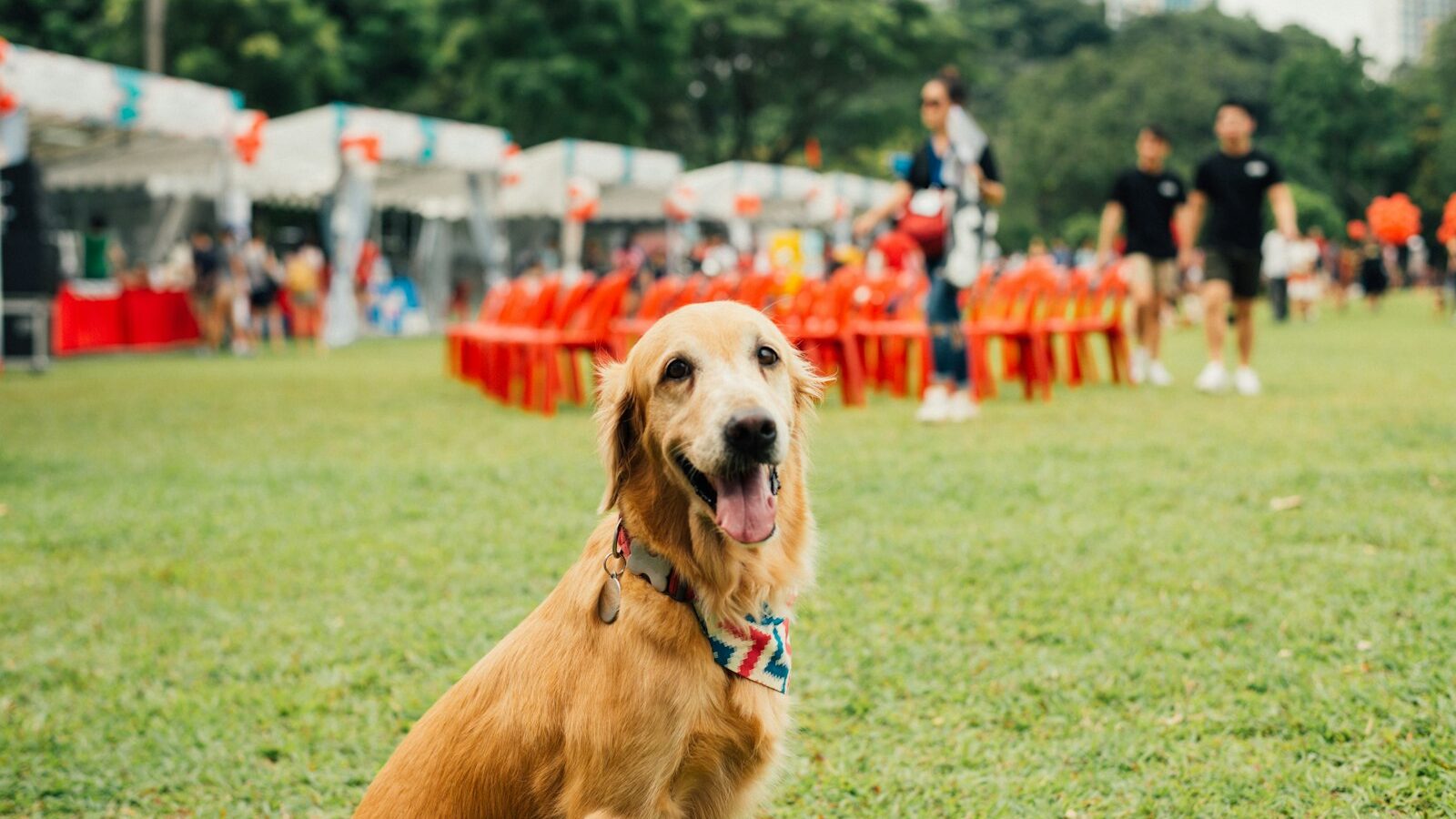
Bringing home a new puppy in Singapore is joyful right up until those needle-sharp teeth find your fingers, your sleeve or a curious child’s ankle. If your hands are covered in tiny scratches, take a breath: puppy biting is one of the most normal, most predictable things a young dog does. It is not aggression, it is not a sign of a “bad” dog, and it does not mean you have failed. Mouthing is how puppies explore the world, play with littermates and soothe sore teething gums. Your job is not to stamp it out with punishment but to gently teach your puppy what teeth are and are not for. This guide walks through force-free, kind methods that work in an HDB flat and suit both first-time and experienced owners.
This is general information, not veterinary or behavioural advice. If biting seems driven by fear, pain or real aggression rather than play, speak to a licensed vet to rule out a medical cause, and consider a qualified force-free trainer or behaviourist.
Why Puppies Bite and Mouth in the First Place
Understanding the reason makes the training make sense. Puppies bite because it is developmentally normal, not because they are being naughty.
- Exploration. Puppies have no hands. Their mouths are how they investigate textures, toys and people.
- Teething. Between roughly three and six months, baby teeth fall out and adult teeth push through. Sore gums crave pressure and chewing, so mouthing spikes.
- Play and social learning. With littermates, puppies bite, get a yelp in return, and slowly learn how hard is too hard. Taken from the litter, they practise this on us instead.
- Overtiredness. A cranky, overtired puppy bites more, much like an overtired toddler melts down. Many “witching hour” biting fits are simply a puppy who needs a nap.
- Attention and energy. Under-stimulated puppies use teeth to start a game. Any reaction, even scolding, can feel like a reward.
The goal is bite inhibition: teaching your puppy to control the force of their mouth first, then to redirect that mouth onto appropriate things.
Teaching Bite Inhibition the Force-Free Way
Bite inhibition is the single most valuable lesson a puppy can learn, because a dog that has learned to be gentle with its mouth is far safer for life. Here is the gentle sequence.
- Let a real yelp mark the moment. When teeth catch skin too hard, give a short, calm “ow” or high yelp, then stop the game for a few seconds. You are mimicking what a littermate would do. Keep it low-key; shrieking can wind some puppies up further.
- Redirect onto a toy. Keep chew toys within reach in every room. The instant those teeth aim for you, offer the toy so the mouthing lands somewhere allowed. Praise the moment they chew the toy instead.
- Reward gentle mouths and four-on-the-floor. When your puppy licks, nuzzles or plays without biting hard, mark it with warm praise or a small treat. You are showing them that soft, calm behaviour keeps the fun going.
- Use a brief time-out, not punishment. If biting continues, quietly end the interaction: stand up, fold your arms, and become boring for ten to twenty seconds, or step behind a gate. The lesson is simple: teeth on skin makes the human and the game go away.
- Meet the underlying need. Before play, make sure your puppy has toileted, is not overtired, and has had some sniffing or chewing to settle. A satisfied puppy bites far less.
Consistency from everyone in the household matters more than any single technique. If one person allows rough mouthing, the puppy cannot learn the rule.
What to Do Instead of Punishing
It is tempting, especially when you are sore and frustrated, to smack the nose, hold the muzzle shut, pin the puppy down or shout. Please do not. These methods frighten the puppy, can make biting worse, and damage the trust you are trying to build. Force-free training is not only kinder, it is more effective. This table sets out the swap.
| Situation | Avoid this | Do this instead |
|---|---|---|
| Teeth on your hand during play | Smacking or flicking the nose | Yelp softly, pause, then offer a chew toy |
| Puppy grabbing trouser legs | Shouting or chasing the puppy | Stop moving, redirect to a tug toy, reward calm |
| Overtired evening biting fit | Wrestling to “tire them out” | Guide gently to a quiet crate or pen for a nap |
| Nipping children’s hands | Leaving kids to fend for themselves | Supervise, teach kids to freeze, reward gentle play |
| Chewing furniture and skirting | Rubbing the nose in it | Provide chews, manage the space, praise good choices |
Notice the pattern: prevent, redirect, reward. You are always giving the puppy a better option, never just taking one away.
Managing Bites Around Children and Visitors
Singapore homes are often busy and multi-generational, and excited children can trigger the fastest, sharpest mouthing. Set everyone up to succeed.
- Supervise every interaction between young children and a puppy, and separate them with a gate or pen when you cannot watch closely.
- Teach children to be trees. If the puppy nips, stand still, tuck hands in, and stay quiet. Running and squealing invite chasing and more biting.
- Give kids a job. Let a child toss a toy or drop a treat for calm behaviour, so the puppy learns children are a source of good, gentle things.
- Protect nap time. Overtired puppies and overtired children are a biting recipe. Build in quiet, crated rest.
- Brief your visitors. Ask guests not to rev the puppy up with rough hand games, which teach that hands are toys.
When Mouthing May Signal Something More
Most biting is ordinary play and fades with patient training by around five to six months, once adult teeth are in and lessons stick. Still, know the difference between play and a problem.
- Play mouthing comes with a loose, wiggly body, a soft mouth and pauses. It responds to redirection.
- Be more cautious if biting comes with a stiff body, a hard stare, growling that escalates, snapping when touched near food or a resting spot, or a puppy that seems genuinely fearful rather than playful.
Resource guarding, fear and pain-related biting are different from teething play and benefit from professional help early. Book a check with a licensed vet to rule out dental or other pain, and work with a qualified, reward-based trainer or accredited behaviourist rather than anyone promising quick fixes through dominance or punishment. Getting gentle, informed help early is a sign of a responsible owner, not a failing one.
A Realistic Timeline and a Kind Mindset
Set your expectations for weeks, not days. You are raising a baby animal through a demanding developmental stage, on top of house-training, socialisation and settling into a warm, humid climate and an HDB routine. Some evenings will be sharp and tiring. Keep sessions short, keep toys handy, keep the whole household consistent, and keep celebrating the calm, gentle moments. With patience and force-free repetition, the needle teeth phase passes, and the trusting, soft-mouthed adult dog you are building is well worth the sore fingers along the way.