
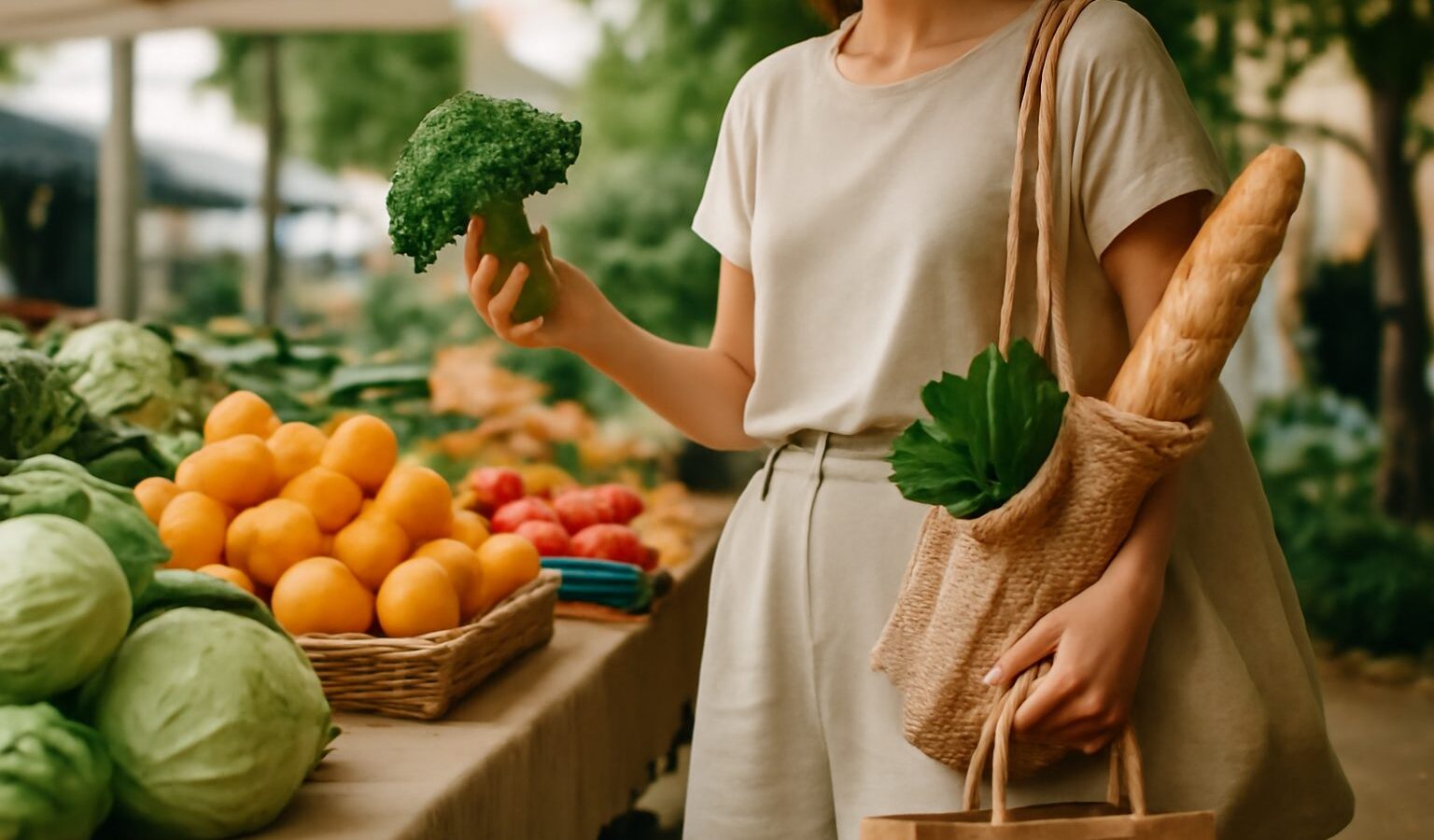
Weekend farmers’ markets and pop-up fresh markets have become a regular fixture in Singapore, often set up in malls, community spaces, parks and event lawns for a day or a weekend. They are a good way to meet local growers and small food makers, but a market can still produce a surprising amount of waste: plastic punnets, cling-wrapped bundles, disposable cutlery at food stalls and produce that wilts before anyone eats it. This guide focuses on making a farmers market Singapore sustainable trip actually low waste and lower impact, from what you pack before you leave to how you store your haul afterwards.

Why Temporary Markets Need a Different Approach
A permanent wet market (the traditional neighbourhood fresh market found under or beside many HDB blocks and hawker centres) has fixed stalls, regular sellers and routines you can learn over time. A temporary farmers’ market is different in a few ways that affect how sustainable your shopping can be:
- Stalls change from event to event. You may not see the same grower twice, so you cannot rely on a seller remembering that you bring your own containers.
- Packaging is often pre-done. Because vendors travel to the site, many pre-pack leafy greens, herbs and mushrooms into bags or punnets before the market opens.
- Food stalls sit beside produce stalls. It is easy to arrive with a reusable bag for vegetables and then collect three disposable cups and a plastic fork at the drinks and snacks stalls.
If you already know your way around a regular wet market, our guide on how to shop at a wet market in Singapore covers the basics of stall etiquette and freshness checks. The tips below build on that for the pop-up format.
What to Pack Before You Go
A sustainable market trip is mostly decided at home. A small, well-planned kit means you can say yes to loose produce and no to extra packaging.
- Two or three sturdy tote bags, including one with a flat base for heavier items like pumpkins, eggs or jars.
- Mesh or cloth produce bags for loose greens, beans, chillies and fruit. Thin, washable ones fold small.
- One or two lidded containers for tofu, fresh noodles, cut fruit, sambal or anything wet.
- A clean jar if you expect to buy honey, kombucha, nut butters or refills from a vendor who offers them. Ask first, since not every seller can fill your own container.
- A reusable cup and cutlery set for coffee, juice and snacks eaten on site.
- An insulated bag if you are buying seafood, meat or dairy and the trip home is long. In Singapore’s heat, this keeps food safe and reduces spoilage.
Check the event page or organiser’s social media before you go. Many list participating vendors, which helps you plan what you actually need.
Low-Waste Habits at the Stalls
Once you are there, a few simple habits keep your footprint small without making you a difficult customer.
Make a short list and stick to it. The single biggest waste at fresh markets is not packaging but food bought on impulse that is never cooked. Plan two or three meals around what you expect to find and buy for those.
Ask before the seller bags it. Say early and politely that you have your own bag. Most growers are happy to tip produce straight into it. If something is already pre-packed, ask whether a loose version is available, but accept the packaging gracefully if not, and reuse or recycle it later.
Choose ugly and odd-sized produce. Misshapen cucumbers, small eggplants and blemished fruit taste the same and are more likely to go unsold. Some sellers price them lower near the end of the day.
Buy seasonal and local-grown first. Local farms grow a lot of leafy greens such as kangkong, xiao bai cai and lettuces, along with herbs, mushrooms, eggs and some fish. Imported items still have their place, but local produce usually travels a much shorter distance to the stall.
Ask growers how they farm. Questions like “Do you use pesticides?” or “Is this grown in soil or hydroponically?” are welcome at most stalls and help you decide. Do not assume a “natural” label means certified organic. If certification matters to you, ask what standard the farm follows.
Eat on site the low-waste way. Use your own cup and cutlery, eat at a table rather than taking food away, and sort leftovers into the correct bins if the organiser provides separate food waste or recycling points.
Sustainable Choices Compared
This quick comparison shows how small choices at the market add up.
| Market moment | Higher-impact habit | Lower-impact alternative |
|---|---|---|
| Buying greens | Taking a new plastic bag per bundle | Tipping loose bundles into one cloth produce bag |
| Buying wet items | Accepting a plastic tub and a bag | Bringing a lidded container from home |
| Drinks and snacks | Disposable cup, straw and fork | Reusable cup and cutlery, eating at the stall |
| Quantity | Buying everything that looks good | Buying for planned meals only |
| Getting there | Solo car trip to a single market | Public transport, cycling or car-pooling with friends |
| After the market | Leaving produce in bags in the fridge | Washing, drying and storing items properly the same day |
Getting There and Home With Less Impact
Transport can easily outweigh what you saved on packaging, especially for markets held at farms in the north-west or at venues far from the MRT.
- Check the location first. If the market is near an MRT station or bus interchange, public transport is usually the lowest-impact option.
- Car-pool or combine trips. If you must drive to a farm-based market, go with friends or neighbours, or combine it with other errands in the same area.
- Use a foldable trolley. A small shopping trolley makes public transport practical even with a week’s worth of produce.
- Shop early in the day. Produce is fresher, and you avoid carrying heat-stressed greens home in the midday sun.
Storing Your Haul So Nothing Goes to Waste
Sustainable market shopping only works if the food is eaten. Singapore’s warm, humid climate shortens shelf life, so storage matters.
- Unpack the same day. Do not leave produce in tote bags overnight.
- Treat leafy greens gently. Remove rubber bands, discard any yellowed leaves, wrap loosely in a dry cloth or paper towel, and refrigerate in a container.
- Keep herbs like flowers. Stand basil, coriander and spring onions in a little water, or wrap them in a damp cloth in the fridge.
- Separate fruit that ripens others. Bananas, mangoes and papayas release ethylene gas, which speeds up ripening in nearby produce.
- Cook the most fragile items first. Eat delicate greens and mushrooms within a day or two, and save roots, gourds and pumpkins for later in the week.
For general food safety and storage guidance, the Singapore Food Agency (SFA) publishes consumer advice on its website.
Reuse, Recycle and Support the Bigger Picture
A few final habits help the wider market ecosystem:
- Return packaging where sellers accept it. Some egg and honey vendors take back clean cartons or jars. Ask before bringing them.
- Recycle correctly. Clean plastic, paper and metal can go into the blue recycling bins found at HDB estates. Soiled food packaging generally cannot, so check the National Environment Agency (NEA) guidance on what is accepted.
- Mix in other secondhand and local markets. Pairing a farmers’ market visit with nearby flea markets in Singapore is a good way to buy pre-loved items in the same outing.
Shopping farmers’ markets sustainably is less about buying perfect produce and more about planning: bring the right kit, buy only what you will cook, and look after it once it is home. Small habits at each visit add up over a year of weekends.
Explore more: How to Navigate Wet Markets in Singapore
Frequently Asked Questions
Are items at a farmers’ market always organic? No. A label like natural does not mean certified organic. Ask the grower how they farm, for example whether they use pesticides and whether the produce is soil-grown or hydroponic. If certification matters to you, ask which standard the farm follows.
Is produce at a farmers’ market worth the higher price? That depends on what you value. You get fresher, often local produce and a chance to talk to growers, but it is not always cheaper. Buying ugly produce, shopping near the end of the day when some sellers discount, and planning meals can keep costs and waste down.
How can I keep kangkong and other leafy greens fresh in the heat? Unpack the same day, remove rubber bands and yellowed leaves, wrap the greens loosely in a dry cloth or paper towel and keep them in a container in the fridge. Eat the most delicate greens within a day or two.
Can I bring my own jar for honey or refills at a pop-up market? Ask first, since not every seller can fill your own container. Some vendors do offer refills or take back clean jars and cartons. Bring a clean, dry jar with a lid, and be gracious if the seller says no.
What should I do with food scraps and packaging from the market? Sort leftovers into the correct bins if the organiser provides food waste or recycling points. At home, clean plastic, paper and metal can go in the blue bins, but soiled food packaging generally cannot, so check NEA’s guidance on what is accepted.
Further reading: Choosing Sustainable Seafood in Singapore · How to Green Your Grocery Routine in Singapore