
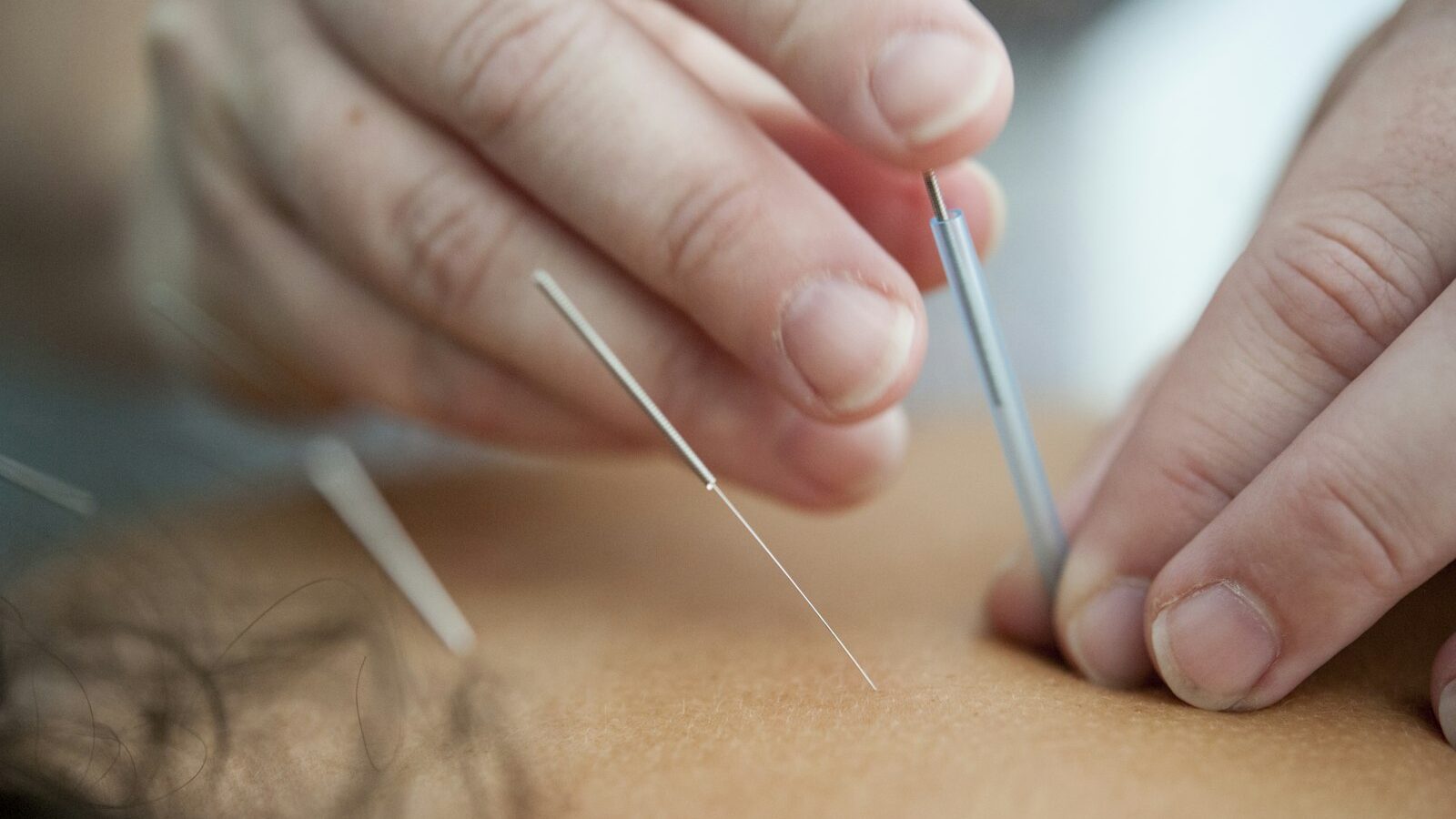
Traditional Chinese Medicine, or TCM, has a long history and remains widely used in Singapore alongside conventional healthcare. From acupuncture to herbal remedies, it offers a different approach to health and wellbeing. This guide explains what TCM offers and how to approach it sensibly.
This is a general overview, not medical advice. For health concerns, consult qualified practitioners, and discuss with your doctor where relevant.
What TCM is
Traditional Chinese Medicine is an ancient system of health and healing that takes a holistic approach, aiming to restore balance in the body. It encompasses various modalities, including acupuncture, herbal medicine, and practices like cupping and tui na massage. TCM is deeply rooted in Chinese culture and remains popular in Singapore, used by many for a range of conditions and for general wellbeing, often alongside conventional medicine. Its philosophy differs from Western medicine, focusing on balance and the body as an interconnected whole. For those interested in a traditional, holistic approach to health, TCM offers a well-established option with a long heritage and continued relevance.
Common treatments
| Treatment | What it involves |
|---|---|
| Acupuncture | Fine needles at specific points |
| Herbal medicine | Prescribed herbal formulations |
| Cupping | Suction cups on the skin |
| Tui na | A form of therapeutic massage |
| Consultations | Holistic assessment and advice |
TCM offers several modalities. Acupuncture, perhaps the best known, involves inserting fine needles at specific points on the body, used for various conditions including pain. Herbal medicine involves prescribed herbal formulations tailored to the individual. Cupping uses suction cups on the skin, and tui na is a therapeutic massage. Consultations involve a holistic assessment. Practitioners may use these individually or in combination based on their assessment. Understanding the common treatments helps you know what to expect and choose services relevant to your interests or concerns when exploring TCM.
Regulation and practitioners
An important point for those considering TCM in Singapore is that the practice is regulated, with TCM practitioners required to be registered to practise. This regulation provides a measure of assurance regarding practitioner qualifications and standards. When seeking TCM treatment, choosing a registered, reputable practitioner is important for safety and quality, just as you would with any healthcare provider. Look for properly qualified practitioners and established, reputable clinics. This regulatory framework and the importance of choosing qualified practitioners mean TCM can be accessed with reasonable confidence in Singapore, provided you seek out registered, reputable providers rather than unverified sources.
Approaching TCM sensibly
TCM is best approached sensibly and as a complement to, rather than replacement for, conventional medical care where appropriate. Many people use TCM alongside Western medicine, and it is wise to keep your doctor informed, particularly regarding herbal remedies which can interact with medications. For serious or acute medical conditions, conventional medical care is essential, and TCM should not delay necessary treatment. Approaching TCM with realistic expectations, choosing registered practitioners, and integrating it thoughtfully with your overall healthcare is the sensible path. Used in this considered way, TCM can be a valued part of a holistic approach to health and wellbeing for those who find it beneficial.
Who it appeals to
TCM appeals to those interested in a traditional, holistic approach to health, those seeking complementary options for certain conditions or general wellbeing, and those drawn to its cultural heritage. It is used for a wide range of purposes, from specific complaints to overall balance and wellness. Some turn to it for issues where they seek an alternative or complementary perspective, others as part of a wellness routine. Whether TCM suits you is a personal choice, and it can coexist with conventional care. For those curious about it, exploring TCM with registered practitioners and an open but sensible mindset can be a worthwhile part of their approach to health.
The takeaway
Traditional Chinese Medicine and acupuncture remain widely used and valued in Singapore, offering a holistic, heritage-rich approach to health through modalities like acupuncture, herbal medicine, cupping and tui na. The practice is regulated, so choosing registered, reputable practitioners is important for safety and quality. Approach TCM sensibly, as a complement to rather than replacement for conventional care where appropriate, keep your doctor informed especially about herbal remedies, and do not let it delay necessary medical treatment. Used thoughtfully and with qualified practitioners, TCM can be a valued part of a holistic approach to health and wellbeing for those who find it beneficial.
What to expect at your first visit
If you have never been to a TCM clinic before, knowing the flow of a typical first appointment takes away much of the uncertainty. A consultation is usually more conversational and observational than a rushed Western clinic visit, and the physician will want a fuller picture of your health and daily habits before recommending anything.
- Diagnosis and history: The physician asks about your symptoms, sleep, appetite, digestion, stress and lifestyle, and commonly checks your pulse and observes your tongue. These are traditional diagnostic methods used to build a holistic picture rather than a single test result.
- The treatment plan: Based on that assessment, the practitioner may suggest acupuncture, a herbal prescription, cupping, tui na, or a combination. Ask why a particular approach is recommended and roughly how many sessions may be involved.
- During acupuncture: Fine needles are inserted at selected points and usually left in place for a period while you rest. Most people feel only a mild sensation. Tell the practitioner immediately if anything feels sharp, faint or uncomfortable.
- Herbal prescriptions: You may be given raw herbs to brew, granules, or ready-made preparations, along with instructions on dosage and timing. Keep the details, as your doctor may want to know exactly what you are taking.
Before you leave, it is worth confirming aftercare advice, any foods or activities to avoid, and when to return. If you are pregnant, on blood thinners, managing a chronic condition, or taking prescription medication, mention this at the outset so the practitioner can adjust the treatment accordingly.
Costs, subsidies and how to choose a clinic
TCM in Singapore is largely paid out of pocket, and fees vary widely between a neighbourhood clinic, a hospital-affiliated TCM service and a private practice. As a general rule, MediSave and the standard public subsidies that apply to mainstream healthcare do not cover most TCM treatments, so do not assume your usual health financing will apply. Some community organisations and charitable clinics offer lower-cost or subsidised TCM services, and a number of employer benefit plans or private insurance riders include limited TCM coverage. Check the specific terms with the clinic and your insurer, and refer to the Ministry of Health (MOH) and the TCM Practitioners Board for the current regulatory position rather than relying on informal advice.
Choosing a clinic well matters just as much as choosing a treatment. A few practical criteria help you decide with confidence:
- Registration: Confirm that the acupuncturist or TCM physician is registered with the TCM Practitioners Board, which is the baseline assurance of qualification in Singapore.
- Clear communication: A good practitioner explains their assessment, sets realistic expectations, and is comfortable with you also seeing your GP or specialist.
- Transparent fees: Ask for consultation, treatment and herbal costs upfront, and be wary of anyone pushing large prepaid packages or promising guaranteed cures.
- Hygiene and safety: Reputable clinics use single-use, sterile needles and maintain a clean treatment environment.
- Convenience and continuity: A location and schedule you can commit to matters, since many TCM approaches work over a course of sessions rather than a single visit.
Taking a little time to compare options, ask questions and verify registration means you can explore TCM with the same care you would apply to any other part of your healthcare.
Explore more: Best massage and spa in Singapore · Healthcare for newcomers in Singapore · Herbal soups and tonics: a guide