
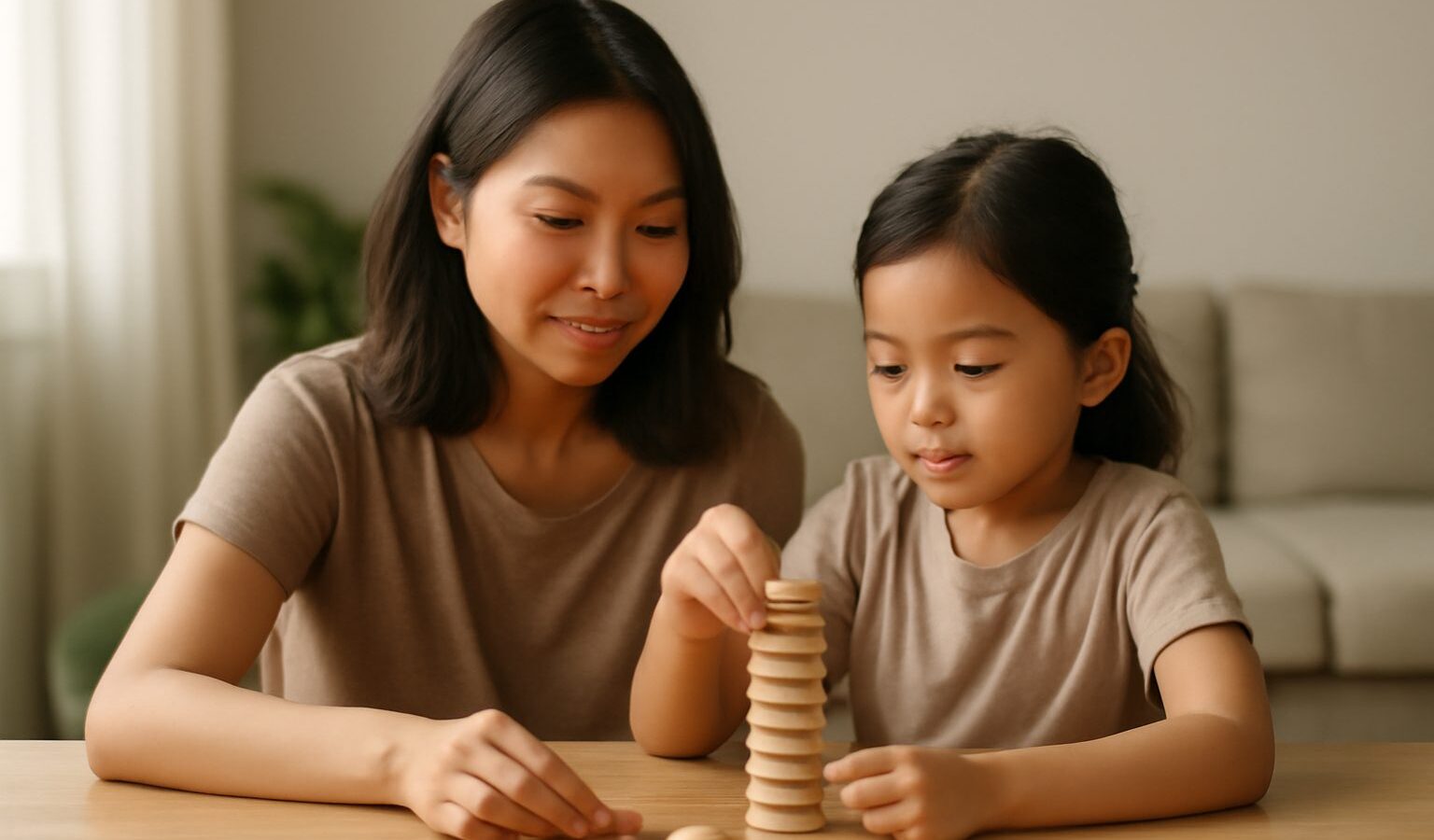
Waiting is hard for little ones. When a child wants something, they usually want it now, and the long pause between wanting and having can feel unbearable to them. If you are thinking about teaching patience in Singapore, in a world of instant videos, quick snacks, and fast everything, you are taking on one of the most valuable skills you can give your child. Patience helps children handle disappointment, stick with hard tasks, take turns with friends, and stay calm when life does not go their way.
The reassuring part is that patience grows with age and practice. This guide offers realistic, everyday ways to nurture it, without pressure and with plenty of understanding for how tough waiting really is for a young child.
Understand Why Patience Is So Hard for Children
Young children live very much in the present. The part of the brain that helps us wait, plan, and manage impulses is still developing, and it keeps maturing well into the teenage years. So when your toddler melts down because the biscuit is not ready, they are not being naughty. Their brain genuinely finds waiting difficult.
This matters because it changes how you respond. Instead of getting frustrated, you can see each moment of waiting as practice. Match your expectations to your child’s age. A two year old can manage only a very short wait, while a seven year old can handle much more. Expecting too much too soon leads to frustration for everyone. Our guide to teaching kids to calm down and self-soothe pairs nicely with this, because patience and self-regulation grow hand in hand.
Practise Waiting in Small, Everyday Steps
Patience is a muscle that strengthens with use. The trick is to build in small, manageable waits throughout the day so your child gets lots of gentle practice.
Try these ideas:
- Use short, clear waits. “I will help you as soon as I finish washing this plate.” Then follow through quickly so your child learns that waiting works.
- Name the time in ways they understand. “After we sing this song” or “when the timer beeps” is clearer to a young child than “in five minutes”.
- Start small and stretch slowly. Begin with waits your child can just about manage, then gradually make them a little longer.
- Praise the waiting, not just the result. “You waited so patiently while I was on the phone, well done” tells your child exactly what they did well.
Turn-taking is patience in action, so games that involve taking turns, from board games to passing a ball, give lovely low-pressure practice.
Model Patience Yourself
Children learn more from what we do than what we say. If you sigh loudly in a queue at the hawker centre or snap when the lift is slow, your child notices. If you take a breath and stay calm, they notice that too.
Narrate your own patience out loud so your child can hear the skill in action. You might say, “I really want to check my phone, but I am going to finish talking with you first,” or “The bus is late, so let us play a spotting game while we wait.” This shows your child that everyone finds waiting hard sometimes, and that there are calm ways to handle it. Our guide to positive parenting and discipline has more on leading by gentle example.
Give Waiting a Purpose and a Tool
Empty waiting is the hardest kind. You can make it far easier by giving your child something to do or something to look forward to.
Helpful strategies include:
- Offer a distraction. A little chat, a game of “I spy”, or spotting colours makes a queue fly by.
- Break big waits into small ones. Looking forward to a weekend outing is easier when you count down the sleeps or tick off the days together.
- Teach a calming tool. Slow breathing, counting, or squeezing their hands can help a child ride out the wobbly feeling of waiting.
- Let them help. A child stirring the pot feels more patient about dinner than one simply told to wait.
Delayed gratification, like saving up stickers for a reward or waiting for a special treat at the weekend, gently teaches that good things are worth waiting for. Our guide to building resilience and grit in your child explores how sticking with things builds inner strength.
Stay Calm When Patience Runs Out
There will be days when the waiting tips into a meltdown, and that is completely normal. In those moments, stay warm and steady rather than lecturing. Acknowledge the feeling first: “It is really hard to wait, I know.” Feeling understood often calms a child faster than any reasoning.
Avoid giving in the instant your child protests, as this teaches that fussing ends the wait. Instead, hold your gentle boundary with kindness. Over many repetitions, your child learns that waiting is uncomfortable but survivable, and that big feelings pass. Keep expectations realistic and celebrate progress, because patience develops slowly over years, not weeks.
A Practical Wrap-Up
Teaching your child patience is a long, gentle journey that fits into ordinary daily life. Understand that waiting is genuinely hard for a developing brain, build in small everyday waits, model calm patience yourself, and give your child tools and purpose to fill the pause. Keep your expectations matched to their age, stay warm when patience runs out, and praise every small win. Little by little, your child learns one of life’s most useful skills: the quiet strength to wait, cope, and keep going.