
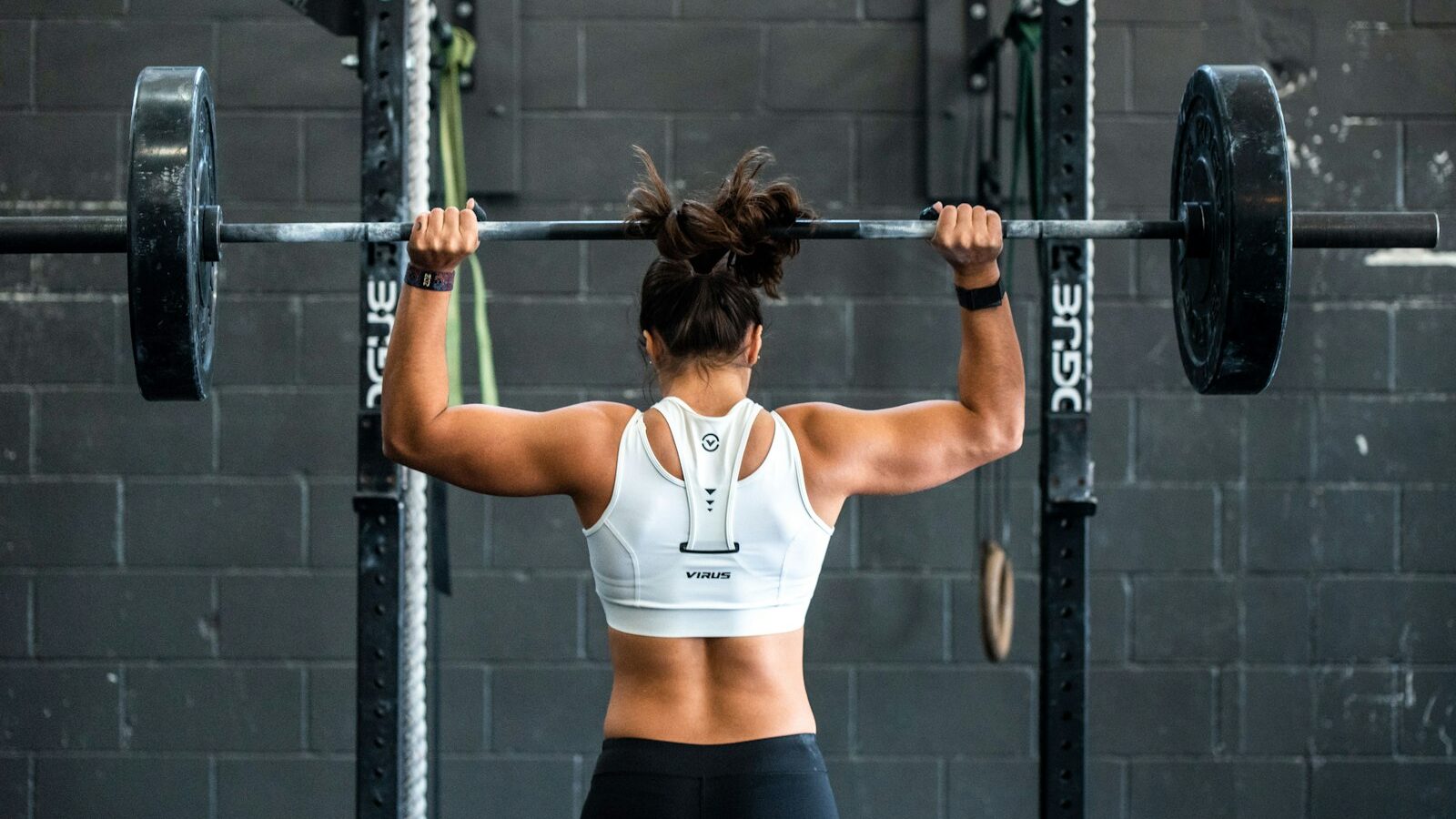
The overhead press in Singapore is one of the best exercises you can learn for building strong, capable shoulders. It teaches your whole body to work together as you press a weight from your shoulders to overhead, strengthening the shoulders, upper back, arms and core in one clean movement. For beginners, it can feel a little intimidating, but with the right setup and a patient approach it quickly becomes a rewarding staple. This guide covers the technique, a simple progression and the mistakes to avoid.
First, a reminder. This is general fitness information and not medical advice. Always warm up, prioritise good form over the amount of weight, start light and build up gradually, and stop if you feel sharp pain. If you have a health condition, are pregnant or are returning from an injury, speak to a doctor before you begin, and see a physiotherapist for any pain or injury, especially around the shoulders.
What the Overhead Press Does for You
Pressing a weight overhead is a natural human movement that we use whenever we lift something onto a high shelf or hoist a bag into an overhead compartment. Training it deliberately builds shoulders that are both stronger and more resilient for these everyday tasks.
The main muscles worked are the deltoids, which cap the shoulders, along with the triceps at the back of the upper arms and the upper chest. What surprises many beginners is how much the core and legs contribute. To press cleanly without leaning back excessively, your abdominal muscles and glutes must brace hard to keep your body stable. This makes the overhead press a genuine full body effort and a great builder of overall control and strength.
Because it demands stability, the overhead press also highlights any weakness in your shoulder or core control. Learning it well early on sets you up for safer, stronger training across many other movements.
Setting Up the Press
You can start with a pair of dumbbells, which allow each arm to move naturally and are forgiving for beginners. Stand with your feet about hip to shoulder width apart, holding the weights at shoulder height with your palms facing forwards or slightly inwards. Whichever grip feels comfortable on your shoulders is fine.
Before you press, brace your core as if bracing to take a gentle nudge to the stomach, and squeeze your glutes. This full body tension protects your lower back. Keep your ribs down rather than flaring them up, which stops you from arching backwards. Your wrists should stay stacked over your elbows, and your forearms roughly vertical.
Now press the weights up and slightly back so they finish directly over the crown of your head, not out in front of you. As the weights clear your head, you can allow them to travel over your midline for a stable overhead position. Lock out gently with your arms straight and your shoulders shrugging up slightly at the top. Lower under control back to your shoulders, and reset your brace before the next repetition.
A Simple Progression
Beginners should build the movement in stages rather than reaching for heavy weights straight away. The progression below lets you develop control and confidence at each step.
| Stage | Focus | Why it helps |
|---|---|---|
| 1 | Bodyweight or light band press overhead | Grooves the movement pattern |
| 2 | Seated dumbbell press | Removes balance demand, teaches control |
| 3 | Standing dumbbell press | Adds core and full body stability |
| 4 | Standing press with heavier controlled load | Builds strength within good form |
Starting seated is useful because it removes the balance challenge and lets you focus purely on pressing straight and locking out. Once that feels smooth, move to standing, where your core and legs learn to stabilise. Only increase the weight when you can complete all your repetitions with clean form. A useful rule is to use a weight you can control for every repetition of every set, never one that forces you to heave or arch your back.
Building It Into Your Routine
For most beginners, pressing overhead once or twice a week is enough, with recovery time between sessions. A few sets of a moderate repetition range works well, stopping a repetition or two before your form starts to break down. Rest around one to two minutes between sets so your shoulders and arms can recover.
The overhead press pairs naturally with pulling movements that work the opposite muscles, which keeps your shoulders balanced and healthy. Including rows and other back work in your week helps offset all the pressing and supports good posture. Regular shoulder mobility work is also valuable, as it ensures you can reach fully overhead without compensating.
Progress gradually. Adding a little weight or an extra repetition over the weeks, while keeping your technique sharp, is the reliable path to stronger shoulders. There is no need to rush.
Common Mistakes to Avoid
The most common error is leaning back excessively to help push the weight up, which shifts the effort into a strained lower back and turns the press into something closer to an incline movement. The fix is to brace your core and squeeze your glutes so your torso stays tall, and to reduce the weight if you cannot press without arching.
Another frequent mistake is pressing the weights out in front of the body rather than up and over the head. This leaves you in a weak, unstable position. Aim to finish with the weights stacked over your shoulders and the middle of your head.
Some beginners also flare their elbows out too wide or let their wrists bend backwards. Keep your forearms roughly vertical and your wrists firm and stacked over your elbows. Finally, avoid holding your breath for long presses. Take a breath, brace, press, and breathe out near the top.
Staying Safe with Overhead Work
Shoulders are mobile joints that reward careful training and dislike being rushed. If you feel pinching or sharp pain when pressing, stop and reassess your setup, and reduce the range or load. Persistent shoulder pain is worth a visit to a physiotherapist rather than something to push through.
Warm up your shoulders before pressing with some light mobility drills and a lighter warm up set. This prepares the joint and muscles for the work ahead and helps you press with a full, comfortable range.
Treated with patience, the overhead press will build shoulders that look strong and perform even better. Start light, master the setup, brace hard and progress slowly. Over time you will press with confidence, and that strength will show up everywhere from the gym to daily life.
Explore more
Strength Training for Beginners
Perfecting Your Push-Up Form
Progressive Overload Explained
Warming Up and Cooling Down Properly