
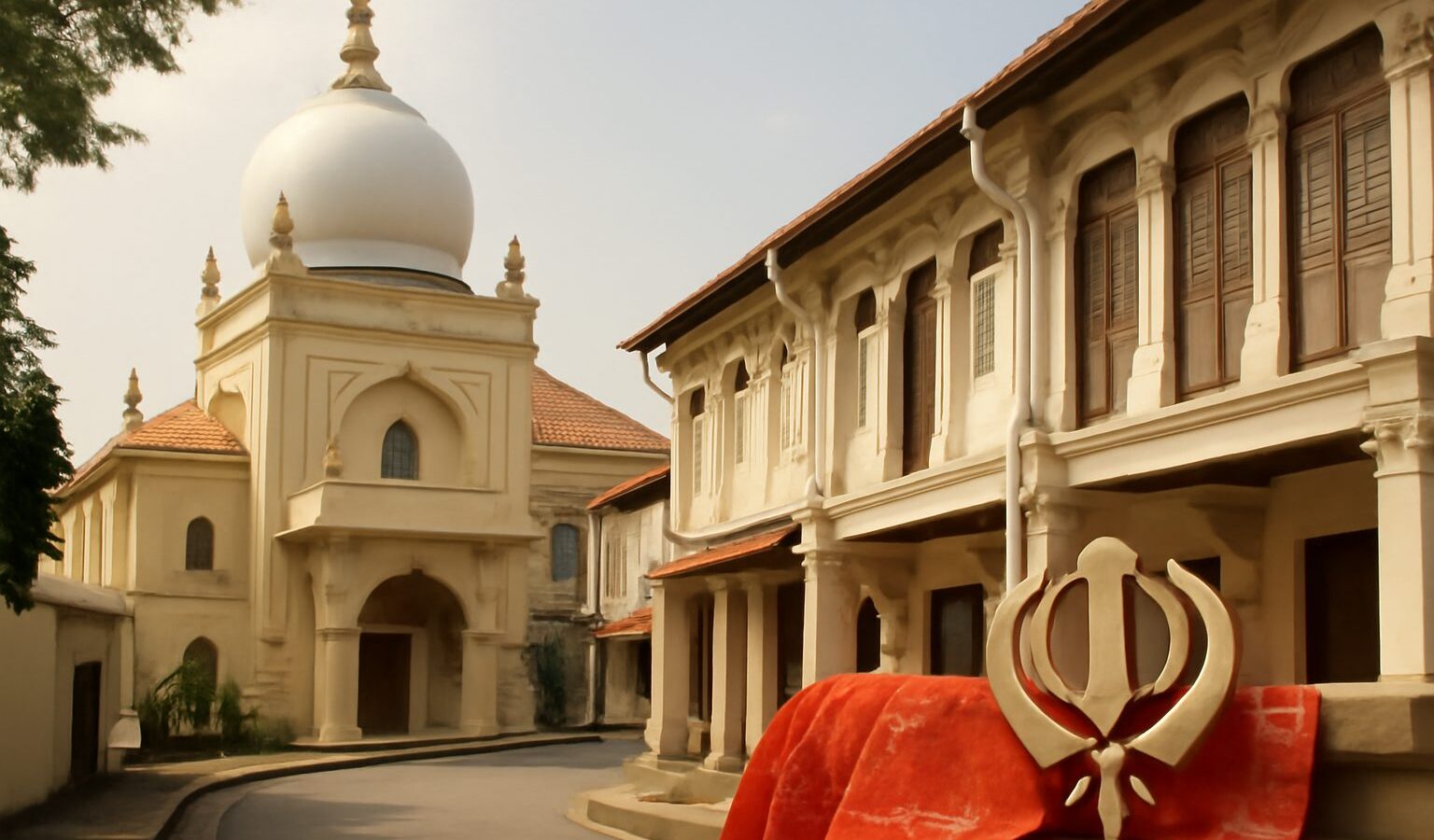
A Sikh wedding in Singapore is a serene, deeply spiritual occasion centred not on spectacle but on scripture. Its heart is the Anand Karaj, a phrase from Punjabi meaning “blissful union”, the religious ceremony that joins two people as equal partners before the Guru Granth Sahib, the Sikh holy scripture regarded as the eternal Guru. Held in a gurdwara, the Sikh place of worship, it is dignified, musical and welcoming to guests of every background. Whether you are attending your first one or planning a celebration, here is what the ceremony means and how to take part with respect.
What the Anand Karaj Means
The Anand Karaj is far more than a legal formality. In Sikh belief it is a sacred covenant in which two souls commit to walking a shared path towards the divine. The couple do not marry each other in isolation; they marry in the presence of the Guru Granth Sahib and the sangat, the congregation, who act as witnesses and well-wishers.
Equality runs through the ceremony. Sikh teaching holds men and women as spiritual equals, and the rites reflect a partnership of mutual support rather than ownership. Because practice varies between families and by how observant a household is, the surrounding customs differ, but the core religious ceremony follows a consistent form across Singapore’s gurdwaras. For any question of doctrine, the granthi, the person who reads and cares for the scripture, and your local gurdwara are the proper authorities.
Before the Ceremony: Preparations and Gatherings
In the days before the wedding, families often hold joyful pre-wedding gatherings at home. These may include singing, dancing and blessings, and vary greatly from one family to the next. A common thread is the giving of gifts and the preparation of the bride’s and groom’s attire and household items. Couples building a home together sometimes assemble a trousseau of clothing and household goods, and our guide to preparing a bridal trousseau is a useful, culture-neutral starting point.
On the morning itself, guests gather at the gurdwara. Everyone removes their shoes, covers their head and washes their hands before entering the main prayer hall, out of respect for the scripture. Modest dress is expected. Many families begin with Asa di Vaar, morning hymns sung by musicians, which sets a calm and reverent tone for what follows.
Inside the Ceremony: The Four Laavan
The Anand Karaj proper begins once the bride and groom are seated together before the Guru Granth Sahib, the groom usually seated first and the bride to his left. Opening prayers and hymns prepare the congregation. The person conducting the ceremony explains the meaning of Sikh marriage, the duties and the equality it asks of both partners, and the couple signal their consent by bowing together.
The central rite is the Laavan, four wedding hymns composed by the fourth Sikh Guru. Each verse is read aloud, then sung by the musicians while the couple walk slowly in a clockwise circle around the Guru Granth Sahib. A scarf or sash often links the groom, who leads, to the bride following behind, symbolising their joined journey. The four rounds represent stages of love and devotion, moving from earthly duty towards union with the divine.
After the fourth round, further hymns are sung, including verses of anand, or bliss, that give the ceremony its name. The service closes with the ardaas, a standing communal prayer, and a reading taken at random from the scripture. Karah parshad, a warm sweet offering, is then shared with everyone present as a sign of blessing and community.
Gurdwara Etiquette for Guests
Guests are genuinely welcome at a gurdwara, and a little preparation lets you take part comfortably. The guiding principle is respect for the scripture and the shared space. Follow the lead of those around you, and when unsure, ask a family member or a gurdwara volunteer quietly.
The points below compare what to do with what to avoid. They describe common expectations across Singapore gurdwaras rather than rules for any single congregation.
| Situation | What guests usually do | Best avoided |
|---|---|---|
| Entering the hall | Remove shoes, cover head, wash hands | Keeping shoes or an uncovered head |
| Seating | Sit on the floor, feet not towards the scripture | Pointing feet at the Guru Granth Sahib |
| Dress | Modest clothing covering shoulders and legs | Revealing or beachwear outfits |
| Behaviour | Quiet, phones silenced, follow the congregation | Loud talking or walking across the hall |
| Langar meal | Accept food gratefully, sit in the shared rows | Skipping the shared seating or wasting food |
After the ceremony, most weddings include langar, the free community kitchen and meal that is a pillar of Sikh life. Everyone sits together in rows on the floor, a deliberate expression of equality, and is served a simple vegetarian meal. Joining langar is a warm way to honour your hosts.
How Sikh Weddings Vary and Fit Singapore Life
While the Anand Karaj is consistent, the wider celebration adapts to each family and to Singapore’s practical realities. Some couples hold the ceremony in the morning and a separate evening reception at a hotel or community venue, with dinner, speeches and dancing. Others keep the whole day simple and centred on the gurdwara. Interfaith and mixed-culture couples may combine traditions thoughtfully, guided by their families and religious advisers.
Registration of the marriage in Singapore is a separate civil matter handled through the Registry of Marriages, and couples should confirm current requirements with the relevant authority rather than assume the religious ceremony alone completes the legal process. Sikh weddings also sit alongside Singapore’s many other traditions, and readers exploring different customs may enjoy our guides to Hindu wedding rituals and to the Muslim nikah ceremony.
For couples, the kindest planning advice is to speak early with your gurdwara about dates, requirements and the conduct of the ceremony, since the religious institution sets the terms. For guests, arrive with an open heart, follow the congregation, and share the langar. Do that, and you will experience a Sikh wedding in Singapore as it is meant to be felt: peaceful, equal and full of quiet joy.