
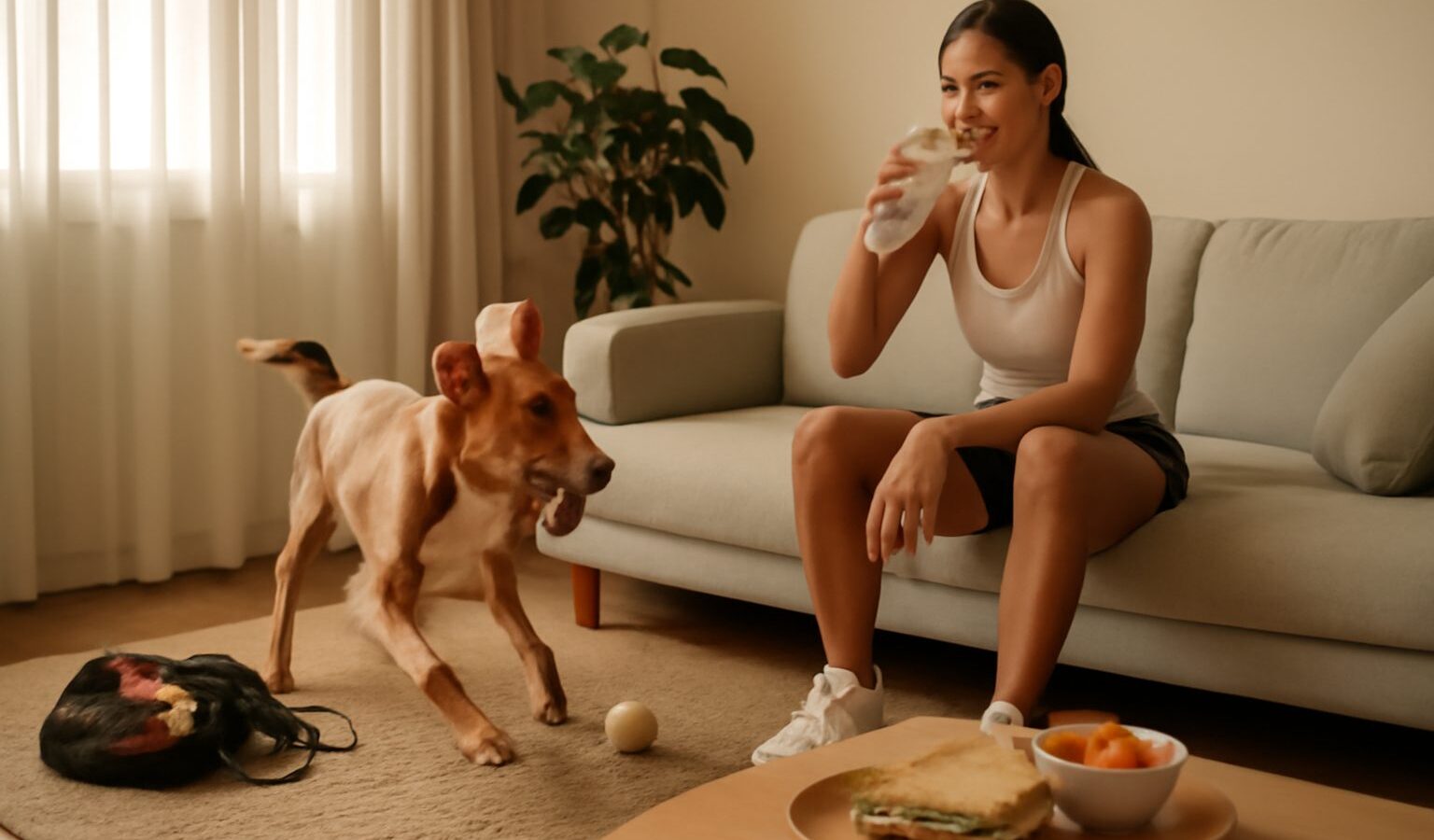
Some dogs seem to have an endless supply of energy. They bounce off the walls, struggle to settle, and can get into mischief when their needs are not met. Living with a high energy dog in Singapore brings a particular challenge, because the hot, humid climate limits how much you can do outdoors in the middle of the day. The answer is not simply “more walks”, but a smart mix of physical exercise, mental stimulation, and calm training. Meet those needs well and even the most active dog can learn to relax happily at home in a flat or condo.
Understand Your Dog’s Needs
Breeds developed for work, herding, or sport, and many mixed-breed and Singapore Special dogs, often carry a lot of drive. A bored, under-exercised dog does not just misbehave out of naughtiness; they are trying to release energy and stimulate a brain with nothing to do. That is where unwanted behaviours such as chewing, digging, barking, and pulling on the lead tend to come from.
The important thing to understand is that dogs need two kinds of tiring out:
- Physical exercise, which uses the body.
- Mental stimulation, which uses the brain and is just as tiring, often more so.
Relying on physical exercise alone can even backfire, since you may build a super-fit dog who simply needs more and more running. A balanced approach that works the mind as well as the body is far more sustainable, especially given Singapore’s heat.
Smart Physical Exercise in the Heat
Timing is everything here. Walk and play in the early morning or later evening when it is cooler, and avoid the midday sun entirely. Watch for signs of overheating such as heavy panting, drooling, weakness, or reluctance to continue, and stop, offer water, and cool your dog down if you see them. Never exercise a dog hard in peak heat, and take extra care with flat-faced breeds, who struggle badly to cool themselves.
Ways to give good physical exercise:
- Brisk walks and gentle jogs at cooler times of day.
- Off-lead play in secure, dog-friendly spaces. Our guide to dog runs and parks in Singapore can help you find somewhere suitable.
- Fetch and tug games, which pack a lot of activity into a short burst.
- Structured dog walking and exercise routines that fit around the weather and your schedule.
Always bring water on outings and rest in the shade. Quality and safety matter more than sheer distance.
Work the Brain
Mental exercise is your secret weapon, particularly on rainy days or when it is too hot to be outside. A good sniffing and thinking session can tire a dog as much as a long walk, and it can be done entirely indoors.
Ideas to try:
- Puzzle feeders and food-dispensing toys that make your dog work for meals.
- Snuffle mats and scatter-feeding, letting your dog use their nose to find kibble.
- Short, fun training sessions teaching new tricks and cues, which are mentally taxing in the best way.
- Frozen stuffed chew toys for a long, satisfying activity.
- Rotating toys to keep novelty high.
Our guide to dog enrichment and beating boredom is packed with flat-friendly ideas, and teaching new skills and tricks gives your dog a productive job to focus on.
Teach the Off Switch
A common mistake is to think a high-energy dog just needs endless activity. In truth, many active dogs never learned how to switch off and relax, so they stay wound up. Teaching calm is a skill in itself and a vital part of the picture.
Reward your dog for lying quietly on their bed, keep a predictable daily rhythm of activity and rest, and give them a comfortable, safe spot to unwind. Our guide to teaching your dog to settle and relax shows you how to build that off switch, so your dog can go from zoomies to a peaceful nap. Always use positive, force-free methods and never punish an energetic dog for being energetic, as that only adds stress.
When Energy Seems Excessive
If your dog is suddenly far more restless than usual, cannot settle at all despite plenty of exercise, or shows other changes such as weight loss, increased thirst, or unusual behaviour, it is worth a vet check to rule out an underlying medical cause. Restlessness can occasionally have a health explanation rather than a purely behavioural one. This article is general information and not veterinary advice, so speak to your vet if something seems off with your individual dog.
A high-energy dog is not a problem dog, just a dog with a lot to give. Channel that energy into good exercise, plenty of brain work, and calm training, and you will have a happy, well-balanced companion who can relax at home as easily as they sprint at the park. With the right routine, even the bounciest dog can thrive in Singapore.