
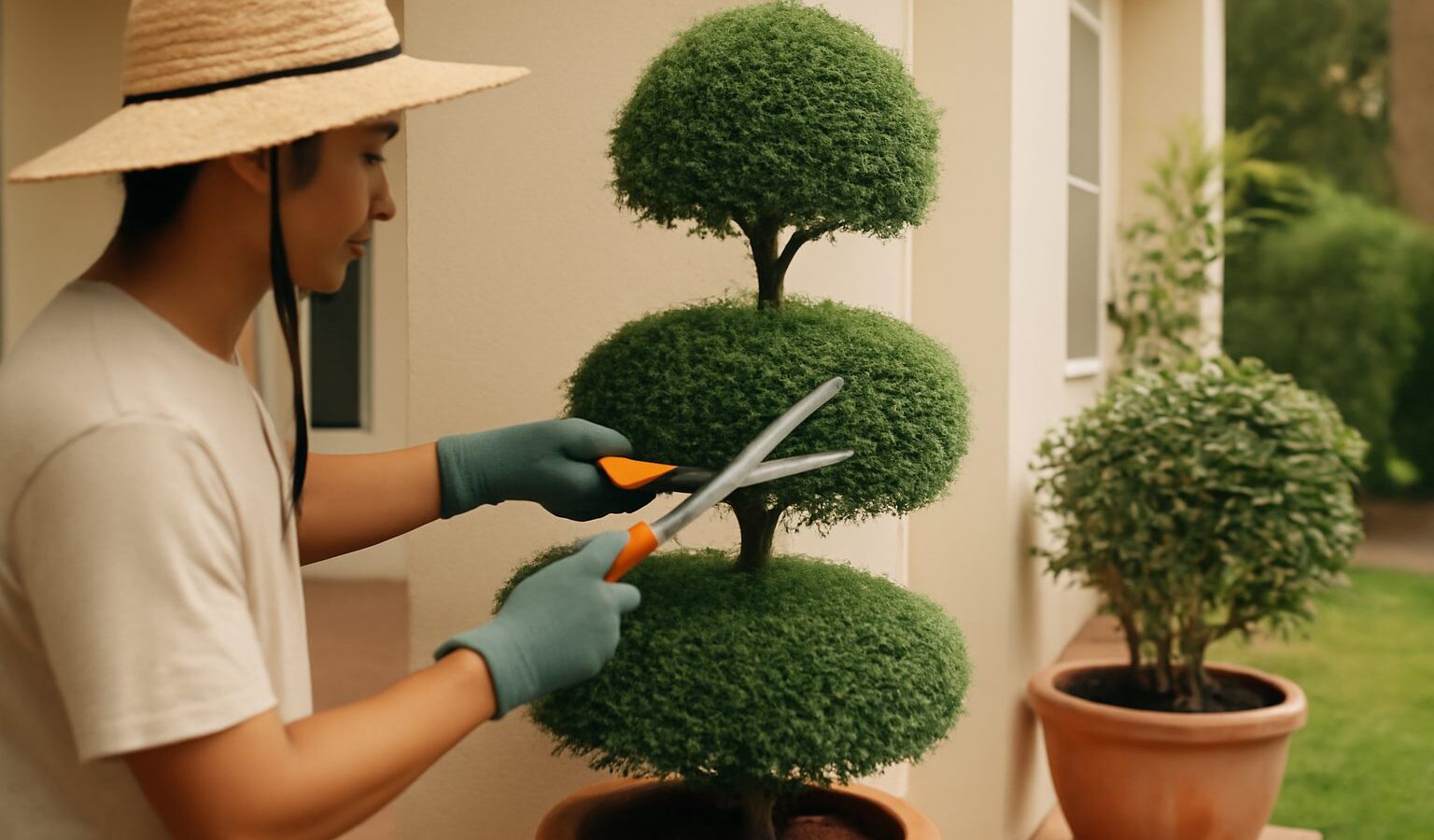
There is a quiet joy in shaping a plant into a neat ball, a spiral, or a small hedge, watching a living thing take on a form you guide it into. Topiary and shaping plants singapore gardeners can enjoy even on a balcony, because you do not need a grand estate garden to try it. A single potted shrub, a pair of sharp shears, and a little patience are enough to start. In our warm, humid climate, many plants grow fast and bounce back quickly from trimming, which is good news for beginners who want to see results and are not afraid to make mistakes.

Choosing plants that take well to shaping
The best topiary plants share a few traits: small, dense leaves, a naturally bushy habit, and a willingness to sprout new growth from where you cut. Fine-leaved, twiggy shrubs hold a crisp outline far better than plants with big, floppy leaves. In Singapore, several common ornamental shrubs and hedging plants respond well to regular clipping, and our fast tropical growth means they fill back in quickly.
Think about scale and setting. On a balcony or corridor, a compact plant in a pot that you can shape into a ball or cone is far more practical than something that wants to become a large hedge. If your goal is a living screen for privacy rather than a decorative shape, that is a slightly different job, and our guide to growing a living hedge or privacy screen covers it in more detail. For pure ornament, choose a healthy, bushy plant from the nursery so you have a strong starting point.
One safety note worth keeping in mind: some ornamental shrubs have sap that can irritate skin or be toxic if chewed. If you have curious pets or young children, check whether your chosen plant is a concern, keep it out of reach where needed, and wash your hands after handling cut stems and sap. See a vet or doctor if you suspect ingestion. Our pet-friendly and non-toxic plants guide is handy when picking safer options for a family home.
Tools and basic techniques
You do not need much to start. A pair of clean, sharp hand shears for detail work, and larger shears or secateurs for bigger cuts, will handle most home topiary. Sharp, clean blades matter more than fancy tools, since ragged cuts heal poorly and clean ones reduce the chance of disease. Wipe your blades between plants to keep things hygienic.
Start simple. The easiest shapes to learn are geometric ones like balls and cones, because your eye can judge symmetry as you go. Trim little and often rather than hacking a lot at once. Step back frequently to check the form from different angles, turn the pot as you work, and always cut just above a leaf node or bud so new growth breaks where you want it. Follow the natural flow of the plant rather than forcing it, and remember that each trim encourages the plant to bush out below the cut, which is exactly what gives topiary its dense, tidy surface.
For more ambitious shapes, gardeners often train growth onto a wire frame, letting the plant fill the outline over time, or use pinching to build bushiness before the final shaping. These lean on the same skills as ordinary trimming, so it is worth being comfortable with the basics first. Our guides to how to prune and trim your plants and pinching and topping for bushier plants go deeper into the cuts themselves.
Keeping your topiary in shape
Topiary is not a one-off job; it is a gentle, ongoing relationship. In our climate plants grow year round, so expect to touch up your shapes regularly to keep the lines crisp. Light, frequent trims are kinder to the plant and easier on you than occasional heavy cuts. Feed and water as you would any healthy shrub so it has the energy to keep producing the fresh growth topiary depends on, and watch for pests, since dense foliage can hide them.
Do not aim for perfection on your first try. Living plants forgive a lot, and a shape that looks a little rough will soften and fill in within weeks in our growing conditions. Enjoy the slow craft of it. With a suitable plant, clean sharp shears, and the habit of trimming little and often, you can bring a touch of sculpted greenery to even the smallest tropical balcony.
Frequently Asked Questions
Which plants are easiest for a beginner to shape into a ball? Pick a healthy, bushy shrub with small, dense leaves and a twiggy habit that sprouts new growth where you cut. Fine-leaved plants hold a crisp outline far better than those with big, floppy leaves, and a compact potted one suits a balcony.
How often should I trim a topiary plant? Little and often. Because plants grow year round here, you will need to touch up the shape regularly, and light, frequent trims are kinder to the plant than occasional heavy cuts. Feed and water normally so it can keep producing fresh growth.
Can I shape a plant using a wire frame? Yes. For more ambitious shapes, gardeners often train growth onto a wire frame and let the plant fill the outline over time. It uses the same skills as ordinary trimming, so get comfortable with the basics first.
Is topiary safe to do around pets and children? Take care, because some ornamental shrubs have sap that irritates skin or is toxic if chewed. Check your chosen plant, keep it out of reach where needed and wash your hands after handling cut stems. See a vet or doctor if you suspect ingestion.
What if I cut my topiary badly the first time? Do not worry, as living plants forgive a lot. A rough shape softens and fills in within weeks in our growing conditions. Start with simple geometric forms, step back often, and cut just above a leaf node or bud.