
The Dragon Boat Festival can feel like a pork-heavy occasion. The classic Hokkien bak chang is packed with braised pork belly, dried shrimp and often salted egg yolk, and even the “simple” ones are usually cooked with shallot oil. If you are vegetarian, vegan or observing a Buddhist meat-free diet, it is easy to assume the festival’s signature food is off the table. It is not. A vegetarian rice dumpling in Singapore is easier to find than many people expect, as long as you know what to ask about.
This guide explains what goes into meat-free zongzi, the hidden ingredients to check, and the kinds of places where you are most likely to find them. For the meat-filled versions and the festival’s origins, see our bak chang guide.

What Goes Into a Vegetarian Zongzi
Vegetarian dumplings follow the same basic idea as any other: glutinous rice and fillings wrapped in bamboo or reed leaves and boiled for hours. Instead of pork and shrimp, cooks rely on ingredients with plenty of savoury depth and bite.
Common fillings include:
- Shiitake mushrooms. Dried and rehydrated, they bring the umami that pork usually provides.
- Chestnuts. Sweet, starchy and soft, a familiar ingredient in festive dumplings.
- Peanuts and mung beans. They add body and a nutty flavour, and are traditional in Cantonese style dumplings.
- Lotus seeds. Mild, creamy and associated with good fortune.
- Mock meat. Wheat gluten or soy-based “char siu” or “pork” pieces are common in Chinese vegetarian cooking and give a meaty texture.
- Vegetables and preserved radish. Carrots, yam (taro) or chye poh (preserved radish) appear in some recipes.
- Seasonings. Soy sauce, five-spice powder, pepper and sometimes vegetarian “oyster” sauce made from mushrooms.
There are also dumplings that happen to be meat-free by tradition. Kee chang, the small golden alkaline dumpling, is often plain or filled only with red bean paste, and sweet red bean dumplings are another option. These are desserts rather than meals, but they let you share the festival treat with everyone.
Hidden Ingredients to Check
“No meat” does not always mean vegetarian in the way you need it to. Before you buy, ask or read the label for these:
- Shallot oil and fried shallots. Very common in Hokkien style dumplings, and not acceptable for many Buddhist vegetarians.
- Garlic, onion, leek and chives. Many Chinese Buddhist vegetarian (zhai) diets avoid these pungent vegetables, often called the “five pungent” foods. Our guide to Buddhist vegetarian (zhai) food explains this in more detail.
- Salted egg yolk. Fine for lacto-ovo vegetarians, but not for vegans or many zhai diners.
- Dried shrimp and shrimp paste. Small amounts can be added for flavour even in dumplings that are mostly vegetable.
- Oyster sauce and fish sauce. Check whether a vegetarian version was used.
- Lard. Some traditional recipes fry the rice in lard.
- Shared kitchens. If you need strict separation, ask whether the dumplings are made in a fully vegetarian kitchen or alongside meat ones.
Different diners draw the line in different places, and that is fine. What matters is that you know which line you are drawing, and ask the right questions for it.
Matching Dumplings to Your Diet
Use this as a quick reference when choosing.
| Your diet | Usually suitable | Check carefully | Usually avoid |
|---|---|---|---|
| Lacto-ovo vegetarian | Mushroom, chestnut and mock meat dumplings, red bean and kee chang | Shrimp, oyster sauce, lard | Pork, chicken, seafood fillings |
| Vegan | Plain kee chang, red bean, mushroom and bean dumplings without egg | Salted egg yolk, dairy in some modern versions | Any egg, meat or seafood fillings |
| Buddhist zhai (no five pungent) | Dumplings from fully vegetarian kitchens that state no garlic or onion | Shallot oil, garlic, onion | Anything with fried shallots or meat |
| Occasional meat-free days (such as the 1st and 15th of the lunar month) | Most clearly vegetarian dumplings | Hidden shrimp or meat-based sauces | Standard bak chang |
Where to Look in Singapore
Rather than naming specific shops, which change from year to year, here are the types of places that are most likely to offer vegetarian rice dumplings around the festival.
- Chinese vegetarian restaurants and eateries. Many prepare seasonal dumplings in the weeks before the Dragon Boat Festival, often for preorder. Our list of vegetarian restaurants in Singapore is a good starting point.
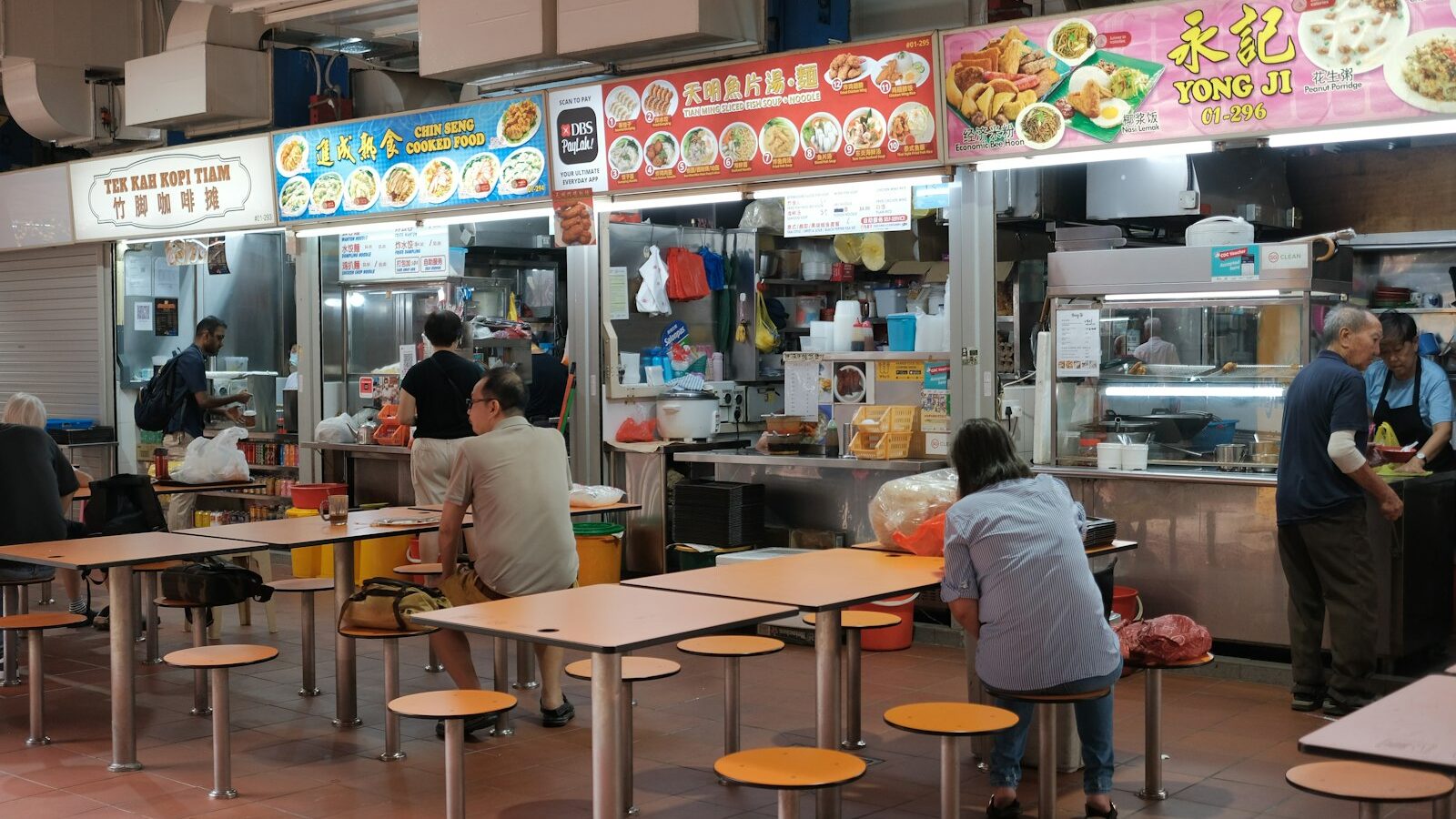
- Vegetarian stalls in hawker centres and coffee shops. Some sell dumplings during the season. See our guide to vegetarian options at hawker centres for how to spot these stalls.
- Eateries near Buddhist temples. Vegetarian food outlets in or near temples often follow zhai rules and may make dumplings for the festival. Opening times and availability vary, so check before travelling.
- Hotel and restaurant festive menus. Larger restaurants sometimes include one meat-free option in their dumpling range. Look for clearly stated ingredients.
- Supermarkets. Frozen and vacuum-packed vegetarian dumplings sometimes appear in the frozen section or festive displays. The ingredient list is your best friend here.
- Online preorders and home bakers. Many small sellers take orders through social media or marketplaces in the weeks before the festival. Ask directly about ingredients and kitchen practices.
- Your own kitchen. Making them yourself gives you complete control. Any standard dumpling recipe works, and you can simply swap in your choice of fillings.
Tips for Ordering and Buying
- Order early. Seasonal vegetarian dumplings are often made in smaller batches than pork ones and can sell out close to the festival.
- Ask the questions in the same order every time. Meat? Seafood? Egg? Garlic, onion or shallot? Shared kitchen? It quickly becomes routine.
- Look for clear labels. Words like “vegetarian” or “vegan” mean different things to different sellers. A full ingredient list is more reliable than a single word.
- Store and reheat them properly. Vegetarian dumplings should be refrigerated and reheated until hot, just like meat ones. Steaming is the gentlest method.
- Bring them to family gatherings. If you are the only vegetarian at a reunion, bringing a few of your own dumplings means you can join in the ritual of unwrapping and sharing.
Sharing the Festival, Meat-Free
The Dragon Boat Festival is about family, remembrance and the pleasure of unwrapping a warm parcel of rice. None of that needs pork. Whether you prefer a mushroom and chestnut dumpling, a plain kee chang with gula melaka or a zhai dumpling from a temple kitchen, there is a version that fits your table.
Frequently Asked Questions
Are vegetarian rice dumplings automatically halal? No. Vegetarian does not guarantee halal, since some recipes use wine or sauces and the kitchen may also handle non-halal food. For packaged dumplings, look for valid halal certification from MUIS. For stall-made ones, ask the seller about ingredients and kitchen practices.
Is mock meat in dumplings always vegan? Not always. Wheat gluten or soy-based mock meat is common in Chinese vegetarian cooking, but some products contain egg, dairy or flavourings of animal origin. Vegans should read the ingredient list or ask the seller, and check shallot oil, oyster sauce and lard as well.
Are vegetarian rice dumplings a healthier choice? Not necessarily. They skip the pork, but the base is still glutinous rice, which is starchy and filling, and some are cooked with oil or sweet fillings. Enjoy them in sensible portions, and check with your doctor or dietitian if you have diabetes or are watching your diet.
What is a good way to gift dumplings to a vegetarian friend? Ask about their diet first, because lacto-ovo vegetarians, vegans and Buddhist zhai diners draw the line differently. Choose dumplings with a full ingredient list, ideally from a fully vegetarian kitchen, and avoid assuming a plain one is fine. Plain kee chang or red bean are often safe options.
Can I find vegetarian dumplings outside the festival season? It is harder, since most are made in the weeks before the Dragon Boat Festival, but some vegetarian eateries and stalls sell them occasionally, and supermarket freezers may stock vegetarian versions. Preorder in season and freeze a few, or make your own at home using any standard recipe with your preferred fillings.
Further reading: Kee Chang, the Alkaline Rice Dumpling, Explained · How to Store, Freeze and Reheat Rice Dumplings