
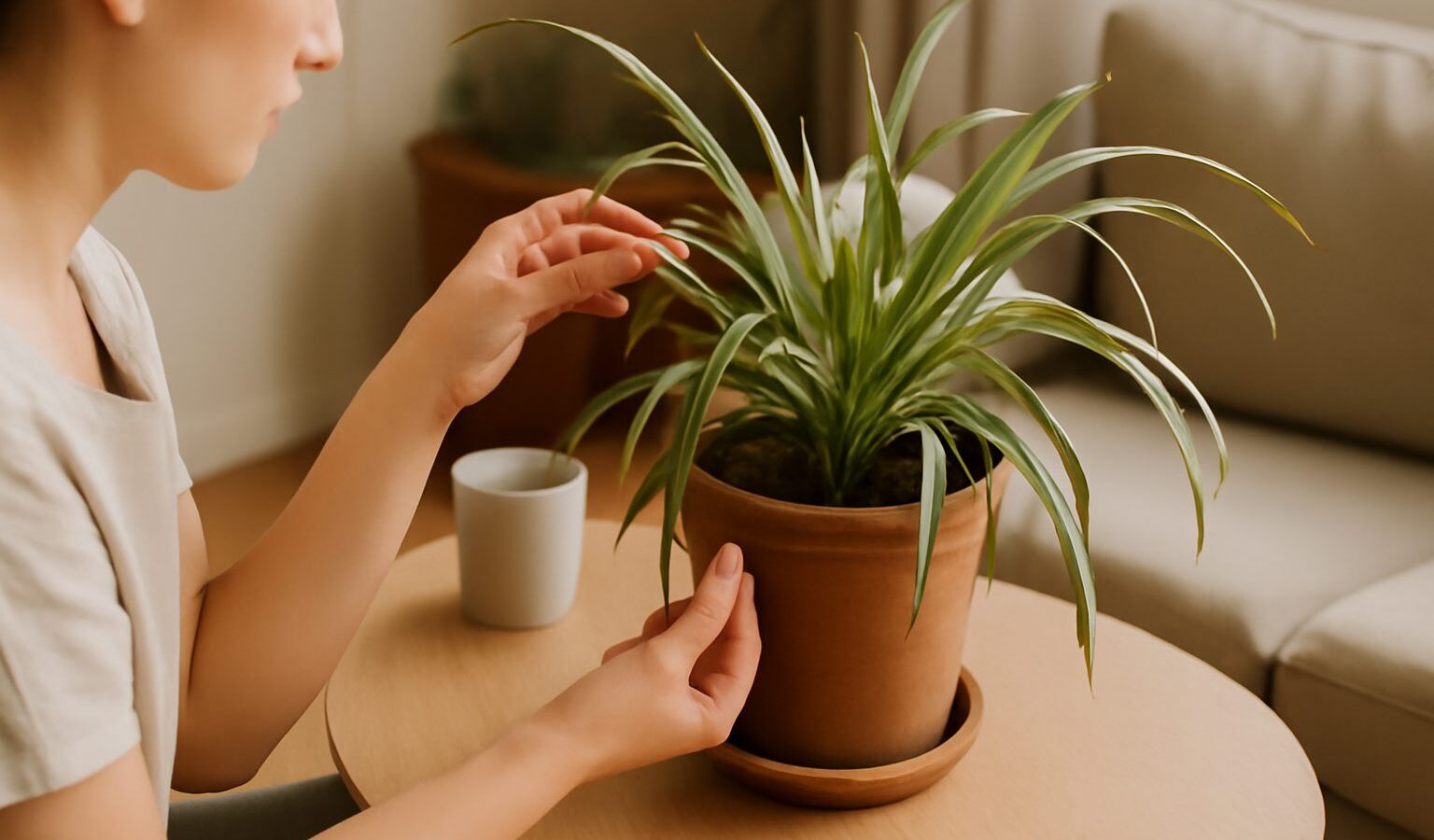
Few plant problems are as common, or as quietly frustrating, as crispy brown edges creeping in from the leaf tips. You water, you fuss, and still those dry, papery margins appear. The good news is that brown leaf tips Singapore plant owners see are almost always a sign of stress from the growing conditions rather than a disease, which means they are usually straightforward to fix once you know what is causing them.
Brown tips are the leaf telling you that its extremities are drying out or being damaged faster than the plant can cope. In our climate, three culprits dominate: dry air from air-conditioning, mineral or fluoride build-up from tap water, and inconsistent watering. Often it is a combination. This guide walks through how to tell them apart and put each one right.
The Main Causes in Singapore Homes
Low humidity from air-conditioning. This is the number one cause in modern flats and offices. Outdoors, Singapore is famously humid, but the moment you run the aircon, indoor air becomes surprisingly dry. Plants that evolved in humid rainforest understorey, such as calathea, maranta, ferns and many palms, lose moisture from their leaf tips faster than their roots can replace it, and the thinnest, furthest points go brown and crisp. If your browning plants sit in an air-conditioned bedroom or beside a vent, dry air is very likely the reason.
Salts and fluoride in tap water. Tap water carries dissolved minerals, and some sensitive plants, spider plants, dracaena, calathea, peace lilies and prayer plants among them, react to the fluoride and chlorine in treated water by browning at the tips. Over time, fertiliser salts also accumulate in the soil, and the plant pushes these excess minerals out to the leaf edges where they burn the tissue. A white crust on the soil surface or pot rim is a strong clue that salt build-up is at work.
Inconsistent watering. Letting a plant dry out too far, then soaking it, then letting it bake again puts the roots through repeated stress. The tips, being last in line for water, brown first. Underwatering does this directly, while overwatering damages the roots so they can no longer draw water up, producing the same crispy tips even though the soil is wet. This is why brown tips alone do not tell you to water more; you have to check the soil first.
Sun and heat stress. A plant pushed too close to a hot, sunny window can scorch, and the tips and edges, being thinnest, show it first. On bright balconies and west-facing sills, our strong afternoon sun can crisp the margins of plants that prefer indirect light.
How to Tell the Causes Apart
Before you change anything, read the whole plant. The pattern of browning is a useful diagnostic.
| Symptom | Likely cause | Fix |
|---|---|---|
| Dry, crispy tips on humidity-lovers near aircon | Low humidity | Raise humidity; group plants; move away from vents |
| Brown tips plus white crust on soil or pot rim | Salt or fertiliser build-up | Flush the soil; feed less; use filtered water |
| Brown tips on spider plant, dracaena, calathea | Fluoride and chlorine in tap water | Use rainwater, filtered or left-out water |
| Tips brown, lower leaves also yellowing, soil wet | Overwatering and root stress | Let soil dry; check drainage; ease off water |
| Tips and edges brown on a sunny sill | Sun and heat scorch | Move back from direct sun; filter the light |
Check the soil moisture with your finger, look for salt crust, note whether the plant sits under aircon, and consider how much direct sun it gets. Usually one or two causes stand out.
How to Fix Brown Leaf Tips
Raise the humidity around aircon-stressed plants. You cannot easily make a whole room humid, so create a moister pocket. Group plants together so they share the moisture they release, stand pots on a shallow tray of pebbles topped up with a little water (kept below the pot base so roots never sit in it, and refreshed so it does not go stagnant), and keep sensitive plants out of the direct blast of the aircon or a fan. A well-placed cluster of plants in the living room usually solves the problem without any gadgets.
Deal with tap water minerals. For fluoride-sensitive plants, switch to rainwater collected in a covered container, filtered water, or tap water left to stand overnight so some chlorine dissipates. Just as importantly, flush the pot every month or two by running water through the soil until it drains freely from the bottom several times over. This washes out accumulated salts. Empty the saucer afterward so nothing stagnates and breeds mosquitoes.
Water consistently and feed lightly. Aim to water when the top few centimetres of soil have dried, then water thoroughly until it drains, rather than giving frequent small sips. Consistency matters more than volume. Go easy on fertiliser too, since overfeeding is a major source of tip burn; a diluted, half-strength feed during active growth is plenty for most houseplants.
Move plants out of harsh sun. If scorch is the issue, shift the plant back from the glass or behind a sheer curtain so it gets bright, filtered light instead of direct afternoon rays. Repotting into fresh mix once a year also helps, since it resets the soil before salts have a chance to build up to damaging levels.
It is also worth matching your plant choices to the conditions you can offer. If you run heavy air-conditioning and cannot raise the humidity much, lean toward tougher, less fussy plants such as pothos, snake plants, ZZ plants and rubber plants, which shrug off dry air without browning. Save the drama queens like calathea and maidenhair fern for a bathroom or a naturally humid, unair-conditioned corner where they can be happy. Choosing the right plant for the spot prevents far more brown tips than any amount of fussing after the fact.
One last, freeing point: the brown tips already there will not turn green again. If they bother you, trim them off with clean scissors, cutting to follow the leaf’s natural shape and leaving a thin sliver of brown so you do not open a fresh wound. Then focus on the cause so new growth comes in clean. Fix the conditions and the next leaves will show you it worked.
Explore more
Common Houseplant Problems and Fixes
Why Plant Leaves Turn Yellow
How to Water Plants in Singapore’s Heat
Understanding Soil and Potting Mix