
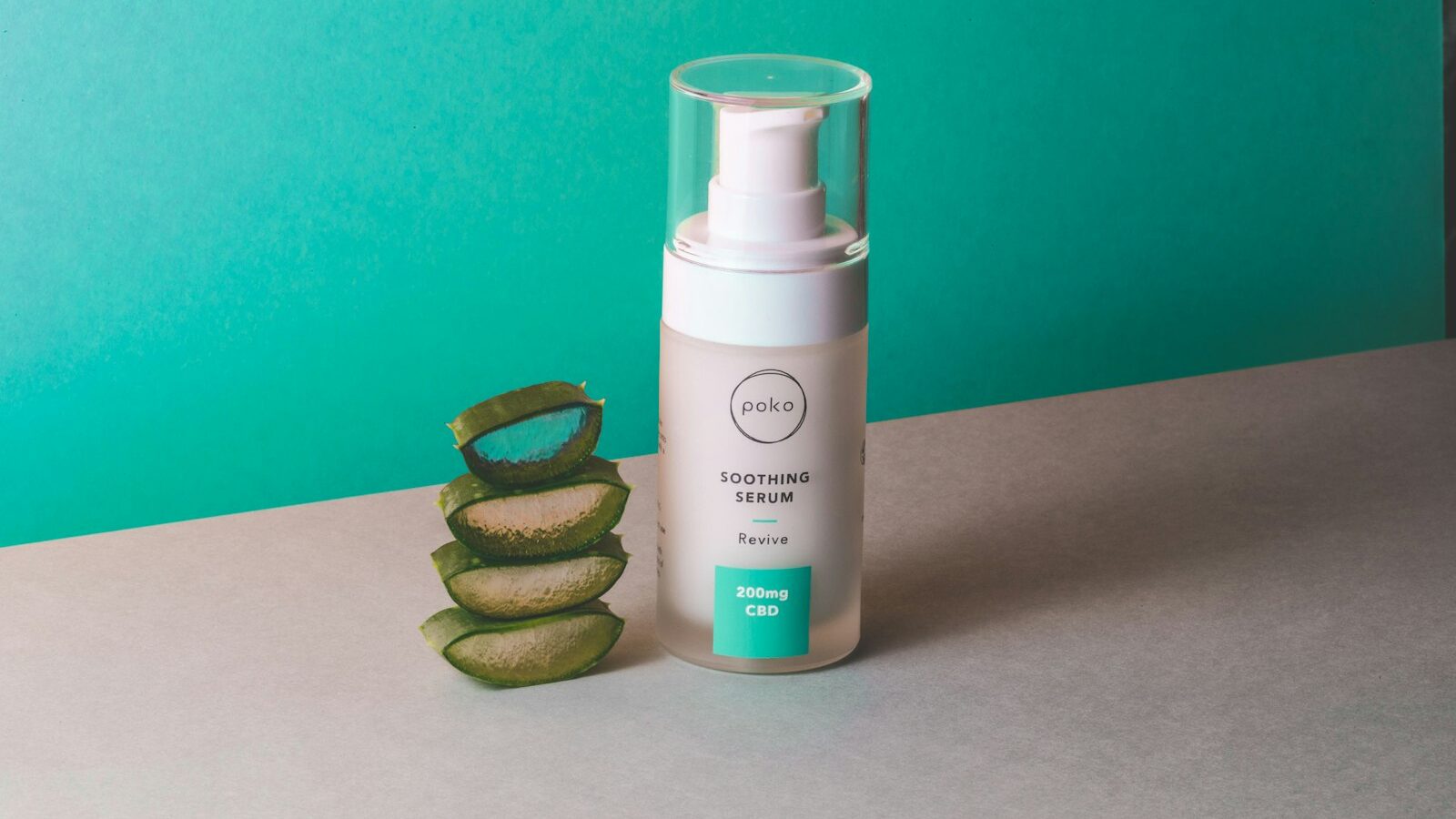
Aloe vera is one of those ingredients almost everyone has reached for at some point, usually after a long day at the beach or a walk that turned into a sunburn. It has a long history as a soothing plant gel, and it remains a gentle, affordable staple in many routines. If you are exploring aloe vera skincare in Singapore, this guide covers what the ingredient realistically does, how to use it in a humid climate, and the simple safety steps that keep it working for you rather than against you.
A quick note before we start: this is general cosmetic information, not medical advice. Aloe vera is lovely for everyday comfort and light hydration, but it is not a treatment for a medical skin condition.
What aloe vera actually does for skin
Aloe vera gel comes from the inner leaf of the aloe plant. It is mostly water, along with polysaccharides and other plant compounds, which is why it feels cooling and lightweight rather than rich or greasy. That water content is the key to its appeal. When you smooth it on, it delivers a quick hit of surface hydration and a pleasant cooling sensation, which is exactly what you want after sun exposure or a hot, sticky commute.
People tend to value aloe for a few practical reasons:
- It feels calming and cooling on warm or slightly irritated skin.
- It is light and absorbs fast, so it suits oily and combination skin that finds heavy creams uncomfortable.
- It layers well under other products and under sunscreen.
- It is generally well tolerated and widely available.
It helps to keep expectations sensible. Aloe is a soothing hydrator, not an anti-ageing powerhouse or a scar eraser. Think of it as a comfort layer. Because it is largely water, any hydration it gives can evaporate in our aircon and outdoor heat unless you seal it in, which brings us to how to use it well.
How to use aloe vera in Singapore’s climate
The most common way to use aloe is as a light hydrating layer on damp, freshly cleansed skin. A thin coat is plenty. In our humidity you generally do not want to pile it on, because a thick layer can feel tacky and take a while to sink in.
Here is a simple approach that works for most people:
- Cleanse and gently pat skin so it is still slightly damp.
- Smooth on a thin layer of aloe gel.
- Follow with your usual serum if you use one.
- Seal with a light moisturiser so the water content does not simply evaporate.
- In the morning, finish with sunscreen.
That last step of sealing matters. Because aloe is a humectant-style hydrator, pairing it with a moisturiser helps hold the moisture in place. Our guide on the difference between hydrating and moisturising your skin explains why you often need both, and if you find heavier creams uncomfortable in the heat, choosing a moisturiser for humid weather has lighter options.
Aloe is also a favourite for after-sun comfort. Kept in the fridge, a plain aloe gel feels wonderful on warm skin after a day out. It will not undo sun damage, so it is a comfort measure rather than a repair, and genuine sunburn still deserves care and shade. For that, see after-sun care and treating sunburn.
Choosing an aloe product
You will see aloe in fresh gels, bottled gels, serums, sheet masks, and moisturisers. A few pointers:
- Look for aloe reasonably high on the ingredient list if you want it to be a main player rather than a token addition.
- Simpler formulas with fewer added fragrances and colours tend to suit sensitive skin better.
- Some gels contain alcohol or added actives, which can be drying or too active for irritated skin, so read the label.
- Fresh aloe straight from a plant can be soothing, but it spoils quickly, can be messy, and the yellow sap near the leaf skin can irritate, so rinse the clear inner gel well if you use it.
Learning to scan a label makes all of this easier, so take a moment to check where aloe sits and what else has been added before you buy.
Patch testing and knowing your limits
Aloe is gentle for most people, but gentle does not mean risk-free. Some people are genuinely sensitive to it, and reactions do happen. Before slathering a new aloe product over your whole face, patch test it. Apply a small amount to a discreet spot, such as the inner forearm or beside the jaw, once a day for a few days and watch for redness, itching, or stinging. Our walkthrough on how to patch test new skincare covers the details.
Introduce aloe on its own rather than alongside three other new products, so that if something does react you know what caused it. If you have very reactive or allergy-prone skin, be extra cautious.
Finally, know when skin needs more than a soothing gel. Aloe can make everyday redness or post-sun warmth feel more comfortable, but it is not a fix for persistent or worsening problems. If you have ongoing acne, an angry rash, eczema that keeps flaring, a reaction that will not settle, or any skin change that worries you, please see a doctor or dermatologist rather than relying on aloe to sort it out.
Used sensibly, aloe vera earns its place as a cheap, cooling, everyday comfort layer, which is no small thing in a climate as warm as ours. Keep a plain gel in the fridge, patch test first, seal it in with a light moisturiser, and let it do the simple job it is genuinely good at.