
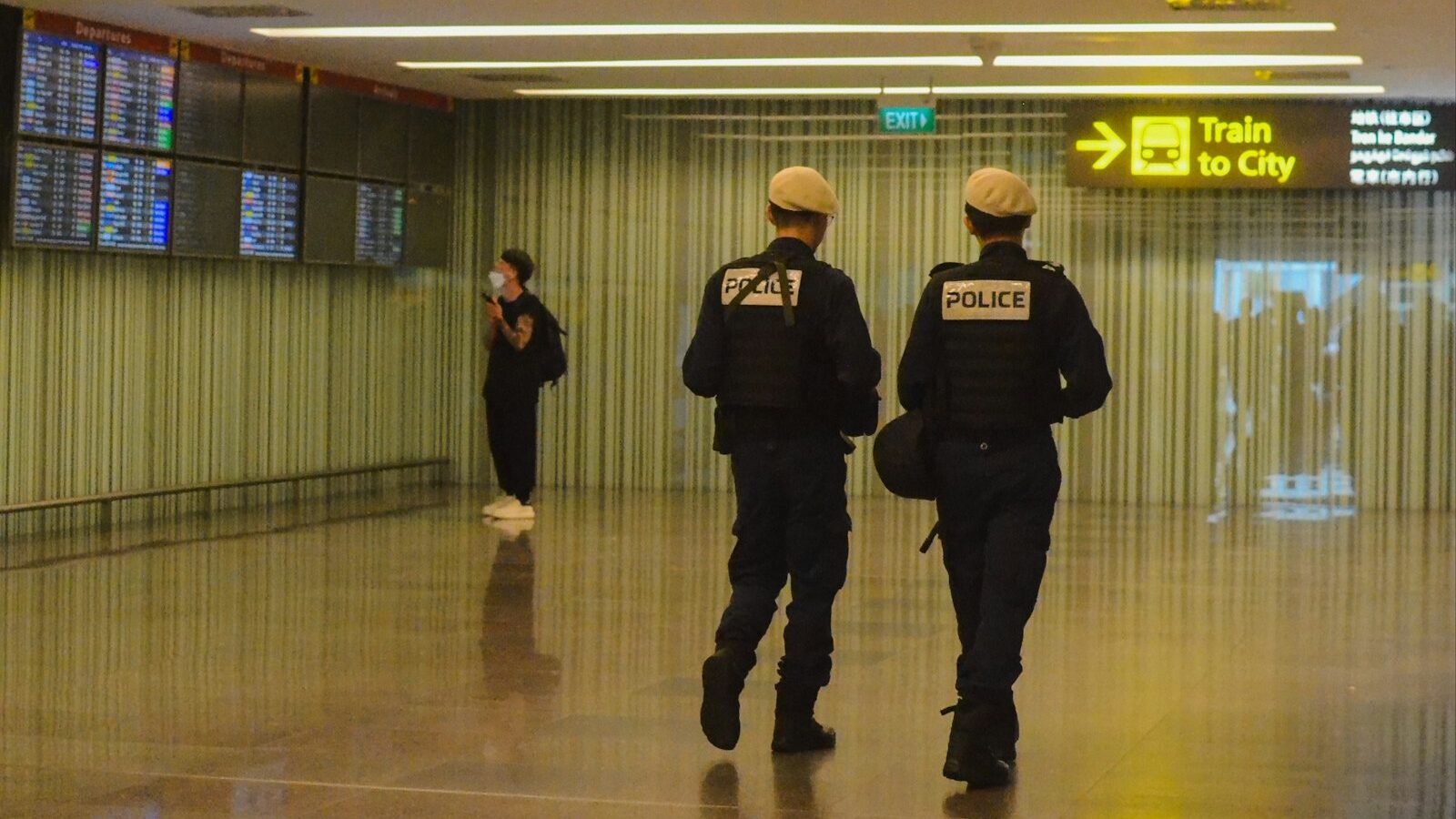
Security officers are a familiar sight at condominiums, malls, offices, hospitals, schools and events across Singapore. The work is stable, there is steady demand, and there is a clear career ladder for people willing to train. It is also a regulated job. Before you can work as a security officer, you need a security officer license from the Police Licensing and Regulatory Department (PLRD), part of the Singapore Police Force.
This guide walks through the security officer license in Singapore, the training modules, the career grades and how to land your first role. It is general information. Licensing requirements, course names and wage rules are updated from time to time, so confirm the current details with PLRD and the Ministry of Manpower (MOM) before you sign up for anything.

Why a Licence Is Required
Private security in Singapore is regulated under the Private Security Industry Act. Under this law, anyone who works as a security officer must hold a valid licence, and security agencies themselves must also be licensed. The aim is to ensure that people guarding homes, workplaces and public spaces are trained, of good character and accountable.
The security officer licence is personal. It belongs to you, not to your employer, although you must work through a licensed security agency to be deployed. If you are interested in the business side of the industry, our guide on how to start a security agency covers the agency licensing route.
Who Can Apply
PLRD sets the eligibility criteria, and you should check them on its website. Broadly, applicants are assessed on:
- Nationality or residency. Singapore Citizens and Permanent Residents can apply, and there are specific rules for certain other nationalities. Check PLRD for who is eligible and what work pass arrangements apply.
- Age. There is a minimum age requirement.
- Character and background. Applicants go through screening. Certain criminal records or other concerns can lead to rejection.
- Training. You must complete the required basic training modules before or as part of the application.
- Health and fitness. You need to be fit enough to carry out patrols, stand for long periods and respond to incidents.
Being honest in your application matters. Failing to declare relevant information can lead to your licence being refused or revoked.
Training Modules You Need
Security training in Singapore is delivered through approved training providers under the Workforce Skills Qualifications (WSQ) system, the national framework for job-related skills training. To qualify for the basic licence, new officers complete a set of core modules. These have typically covered areas such as:
- Providing guard and patrol services, including access control, patrolling, report writing and handling visitors.
- Handling security incidents, such as fire alarms, suspicious persons, medical emergencies and evacuations.
- Recognising terrorist threats, including spotting suspicious items or behaviour and responding correctly.
Courses usually combine classroom learning with practical exercises and end with an assessment. Training providers can tell you the exact modules required for the licence, the schedule and the cost. Ask whether you are eligible for funding, as SkillsFuture and other subsidies may apply for eligible Singaporeans and PRs.
When choosing a training provider, check that:
- it is approved to run the relevant WSQ security courses,
- the course schedule fits your availability, as some run on weekdays and others on weekends,
- it explains assessment and retake policies clearly,
- it provides help with the licence application process after you pass.
Career Grades and How to Progress
The security industry follows the Progressive Wage Model (PWM), a framework set by the tripartite partners and enforced by MOM that links pay to skills and job grades. Licensed security agencies must pay at least the PWM wage for each grade, and the wage levels step up on a published schedule. Check MOM’s website for the current figures.
The table below sets out the typical grades and what changes at each step.
| Grade | Typical responsibilities | What you usually need to progress |
|---|---|---|
| Security Officer | Guarding, patrols, access control, incident reporting | Basic licensing modules |
| Senior Security Officer | Leading shifts at a site, guiding newer officers, handling more complex incidents | Additional WSQ modules plus experience |
| Security Supervisor | Supervising teams across a site, rostering, liaising with clients | Further supervisory modules plus experience |
| Senior Security Supervisor | Overseeing larger or multiple sites, stricter incident management | Advanced modules and a track record |
| Chief Security Officer | Managing security operations, planning and client relations at major sites | Highest tier training and substantial experience |
Each step usually requires completing specific modules for that grade and getting your employer to deploy you in the role. Training for progression often covers areas such as supervising teams, managing incidents, conducting security screening, and using technology like CCTV and access control systems. Officers who take on more training typically have access to better-paid roles and more varied sites.
How to Apply and Start Working
The general sequence is:
- Check your eligibility on the PLRD website.
- Complete the required basic training with an approved provider and pass the assessments.
- Apply for your licence through PLRD’s online licensing system, submitting the required documents. A licence fee applies, so check PLRD for the current amount.
- Wait for approval. PLRD will carry out checks before issuing the licence.
- Join a licensed security agency. The agency will deploy you to client sites, such as condominiums, offices or event venues.
Once licensed, keep your licence valid. Licences must be renewed periodically, and there may be refresher training or other conditions. Note your renewal date and start the process early.
What the Job Is Really Like
Before applying, consider the realities of security work:
- Shift work. Many roles involve 12-hour shifts, night shifts and work on weekends and public holidays.
- Standing and walking. Patrols and gate duty can be physically demanding, especially outdoors in the heat.
- Dealing with people. Officers handle residents, visitors, delivery riders and sometimes difficult situations. Calm communication matters as much as vigilance.
- Technology. More sites use visitor management systems, CCTV analytics and access control. Officers comfortable with technology are in demand. Our guide on understanding biometric security explains some of the systems you may encounter.
- Different site types. A quiet residential estate, a busy shopping mall and a corporate office each require different skills. Ask agencies about the sites they serve.
Tips for a Good Start
- Compare agencies carefully. Check that the agency is licensed, pays according to the PWM, and is clear about shifts, overtime and leave.
- Ask about training support. Some agencies help officers take progression modules.
- Keep records. Store your training certificates and licence details safely.
- Know your rights. Security officers are covered by the Employment Act. If you have concerns about pay or hours, MOM can advise.
Other regulated career paths in Singapore follow a similar pattern of training, licensing and renewal. If you are weighing options, see our guide to becoming a licensed tourist guide in Singapore.
Frequently Asked Questions
Can older workers or people with health conditions become security officers? Possibly, but PLRD sets the age and fitness expectations, and these are updated from time to time. The job involves long hours on your feet, patrols and sometimes shift work. Check PLRD’s current eligibility rules, and speak to a doctor if you have a health condition that could affect the work.
How long does it take to get a security officer licence? It depends on your training schedule, how quickly you pass the assessments and PLRD’s checks, so there is no single timeline. Ask your training provider when the next course starts and how they help with the application. Apply early, and do not sign work commitments before the licence is approved.
Can I work as a security officer while my licence is expired? No. Working without a valid licence breaches the Private Security Industry Act, and it can put you and your agency at risk. Note your renewal date early, check what refresher training or conditions apply, and start the renewal process in good time. Ask PLRD if you are unsure.
Do security officers carry weapons or have the power to arrest? Most officers in Singapore are unarmed and their role is to observe, report and call the police or emergency services when needed. Their powers are limited and set by law, so training focuses on de-escalation, access control and incident reporting. PLRD and your training provider can explain what applies.
Can foreigners work as security officers in Singapore? There are specific rules for certain nationalities and work pass arrangements, so it is not automatic. Citizens and permanent residents can apply, while others depend on PLRD and MOM requirements. Check both websites before paying for any course, and speak to a licensed agency about its hiring policy.
Official sources: Singapore Police Force
Further reading: How to Become an Auxiliary Police Officer in Singapore · How to Become a Licensed Plumber in Singapore · How to Become a Private Investigator in Singapore