
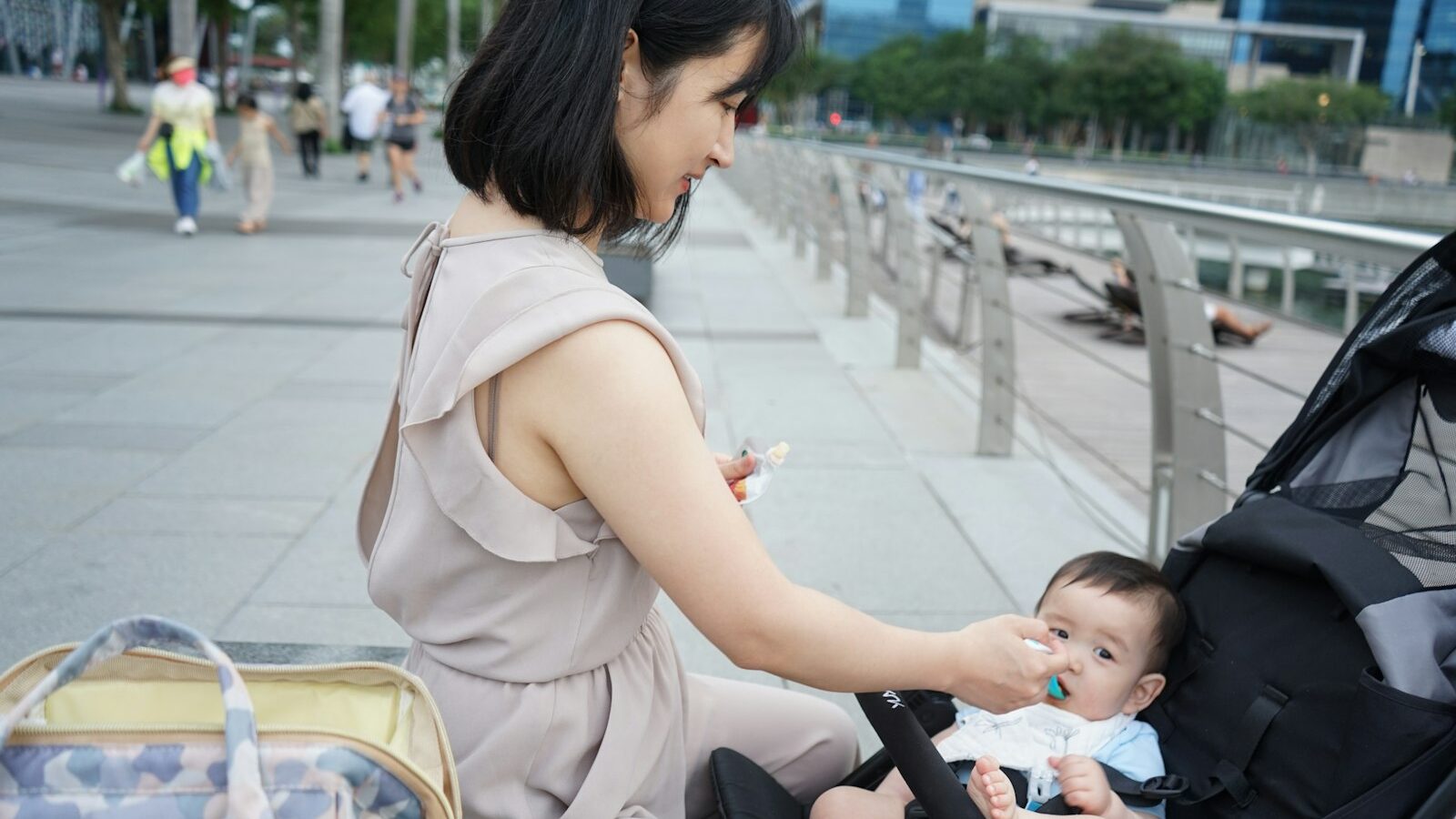
In Singapore’s heat, adults reach for a water bottle all day, so it feels natural to want to offer a baby a few sips too. Grandparents may suggest it, and it can seem kind on a sweltering afternoon. Yet the usual guidance surprises many new parents: young babies generally do not need plain water at all. So, can babies drink water? The short answer is that it depends on age, and the reasons why are worth understanding.
This article is general information, not medical advice. Every baby is different, and if your child was born early, has a medical condition or is unwell, follow the advice of your paediatrician, family doctor or polyclinic. HealthHub, the Ministry of Health’s health portal, has further guidance on infant feeding.

Why Babies Under Six Months Usually Do Not Need Water
Breast milk and infant formula are mostly water. For a healthy baby who is feeding well, they provide all the fluid needed, even in hot and humid weather. That is why health authorities generally advise against giving plain water to babies in their first six months unless a doctor specifically recommends it.
There are a few reasons for this:
- Small stomachs. A young baby’s stomach is tiny. Filling it with water leaves less room for milk, which supplies the calories and nutrients needed for growth.
- Kidney development. A young baby’s kidneys are still maturing and are less able to manage extra water. Too much plain water can upset the balance of salts in the blood, which in rare cases can become a medical emergency.
- Feeding cues. Water can blunt hunger, so a baby may feed less often. For breastfeeding mothers, fewer feeds can also affect milk supply.
None of this means a stray sip is dangerous. It means water should not be offered as a routine drink to a young baby.
Keeping a Young Baby Hydrated in Singapore’s Heat
If water is not the answer for under-six-months, how do you keep a baby comfortable on hot days?
- Feed on demand. Babies may want to feed more often when it is warm. For breastfed babies, shorter, more frequent feeds often provide extra thirst-quenching milk.
- Follow the formula instructions exactly. If you formula feed, prepare each bottle precisely as the tin directs. Never add extra water to “thin it out” in hot weather, and never add extra powder either.
- Keep the environment cool. Dress your baby in light, breathable cotton, use a fan or air-conditioning at a comfortable setting, and avoid direct sun during the hottest part of the day.
- Plan outings. Shaded walks in the early morning or evening are easier on babies than midday errands. Never leave a baby in a parked car, even briefly.
Our guide to keeping babies and toddlers safe in Singapore’s hot months covers heat precautions in more detail, and choosing bedding for a tropical climate can help with comfortable sleep.
Water by Age: A Quick Overview
The table below summarises commonly given guidance for healthy, full-term babies. Your doctor’s advice for your own child takes priority.
| Age | Is plain water needed? | Main source of fluid | What parents commonly do |
|---|---|---|---|
| Birth to around 6 months | Generally no, unless a doctor advises | Breast milk or formula | Feed on demand, more often in hot weather |
| Around 6 to 12 months | Small amounts with meals once solids start | Breast milk or formula, plus food | Offer a few sips of water from an open or free-flow cup with meals |
| 12 months and above | Yes, water becomes a regular drink | Water and family meals, with milk as part of the diet | Offer water throughout the day, especially when active or hot |
Introducing Water After Six Months
Around six months, when most babies start solid food, small amounts of water can be introduced alongside meals. This helps babies get used to the taste and to drinking from a cup, and can support healthy digestion as their diet changes.
Practical pointers:
- Use a cup, not a bottle. Many parents start with an open cup or a free-flow cup. It builds drinking skills and avoids water replacing milk feeds in the bottle routine.
- Keep amounts small. Think sips with meals rather than full bottles. Milk remains the main drink throughout the first year.
- Offer, do not push. Some babies show little interest at first. That is normal.
- Choose plain water. Avoid juices, sweetened drinks, tea, coffee and soft drinks for babies. Coconut water, cordials and isotonic drinks are not substitutes either; ask your doctor before offering anything other than milk and water.
Is Singapore Tap Water Safe for Babies?
PUB, Singapore’s national water agency, supplies tap water that meets drinking water quality standards. For older babies drinking water with meals, many families use tap water that has been boiled and cooled, especially in the early months of introducing it.
For preparing infant formula, follow the instructions on the tin and any guidance from your doctor or HealthHub about boiling water and the correct temperature for mixing. Bottled mineral water is not recommended for making formula, since some types contain levels of minerals not suited to infants. If you rely on a water dispenser, check how it handles boiling and hygiene, and clean it as the manufacturer advises.
Signs Your Baby May Need More Fluids
Babies can become dehydrated, particularly if they are unwell with fever, vomiting or diarrhoea. The answer is not to give extra water on your own initiative, but to see a doctor promptly. Signs that warrant a call to your doctor or polyclinic include:
- Fewer wet nappies than usual, or nappies that stay dry for many hours
- Dark yellow or strong-smelling urine
- A dry mouth or lips, or crying with few or no tears
- Unusual sleepiness, floppiness or irritability
- A sunken soft spot (fontanelle) on the top of the head
- Refusing feeds
If your baby is very drowsy, hard to wake, breathing fast or seems seriously unwell, seek emergency care immediately or call 995.
Common Questions From Parents and Grandparents
My mother says she gave all her babies water. Was that wrong? Advice has changed over the decades as research on infant feeding has developed. Many families gave water in the past, and most babies were fine, but the current recommendation is milk only for the first six months. Sharing the reason, such as the small stomach and developing kidneys, often helps family members feel comfortable with the change.
What about gripe water or herbal drinks? Ask your doctor before giving any remedy, herbal tea or traditional preparation to a young baby, even in small amounts.
My baby’s caregiver wants to give water at infant care. Discuss feeding plans clearly with your caregiver or centre and write them down. Most centres follow parents’ instructions and national guidance, but it is good practice to confirm.
Can I give water if the doctor says my baby is constipated? Follow your doctor’s specific advice. Do not change feeding or add water to formula without guidance.
Every family finds its own rhythm, and hot weather adds an extra layer of worry. Keeping feeds frequent, the environment cool and your doctor in the loop covers most situations well.
Official sources: HealthHub
Further reading: Why Babies Under One Cannot Have Honey · Can Kids Drink Kopi, Teh or Milo? Caffeine and Children