
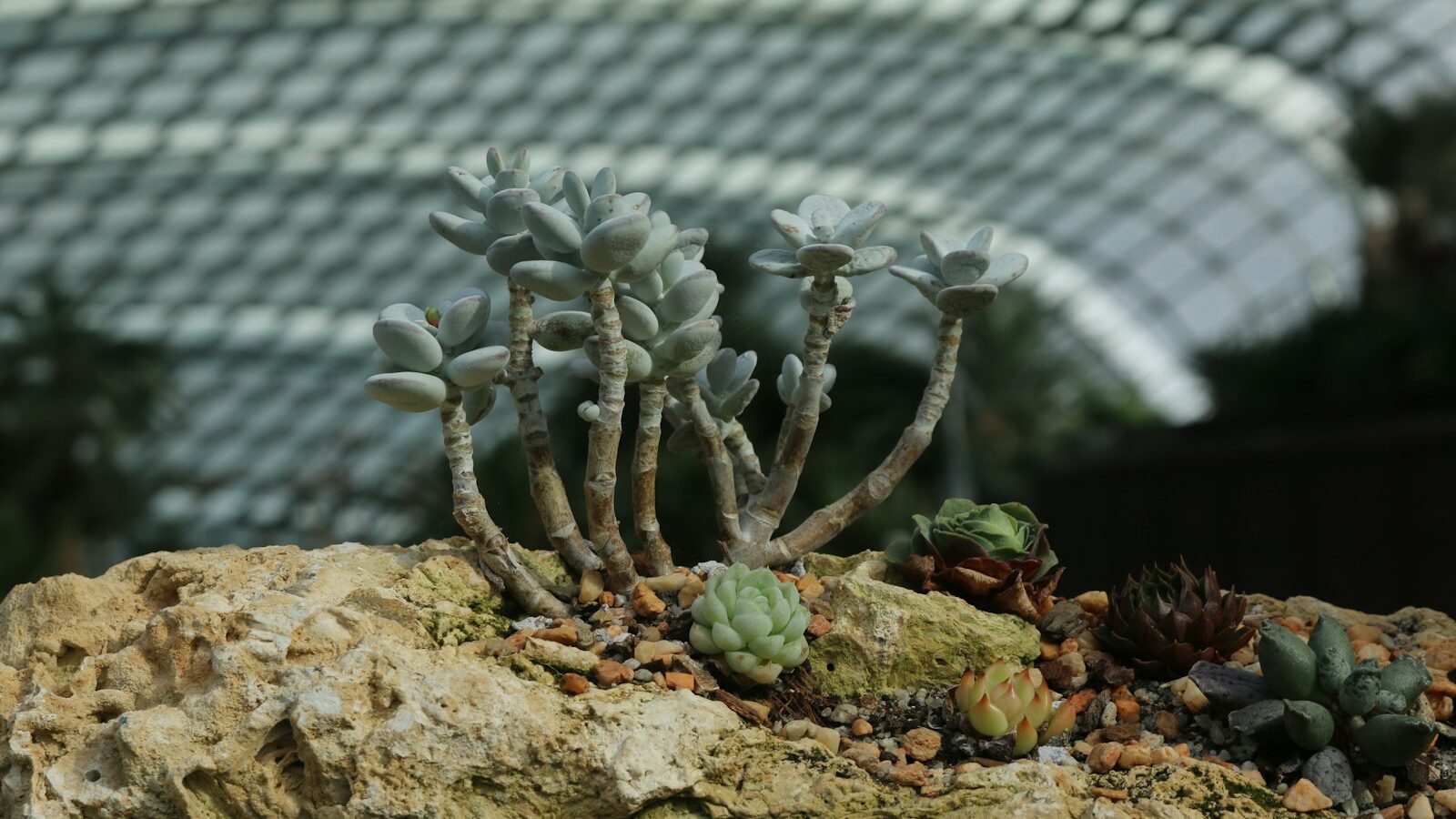
Sturdy, sculptural and steeped in good-luck symbolism, the jade plant is a much-loved succulent in homes across the island. A jade plant Singapore favourite, botanically Crassula ovata, forms a miniature tree of thick, glossy, coin-shaped leaves on chunky woody stems, which is exactly why it is nicknamed the money plant or lucky plant and often given as a housewarming gift. With age it can grow into a handsome, bonsai-like specimen that lives for decades.
Native to the dry regions of South Africa, the jade plant is built for drought and sunshine rather than damp shade. That makes its care in Singapore a little different from the leafy tropical plants many of us grow, because the main challenge here is not keeping it warm, which is effortless, but keeping it from getting too wet in our humid conditions. Understand that one principle and the jade plant becomes an extremely low-maintenance, long-lived companion.
Light and the Best Position
Jade plants are sun lovers. To grow strong, compact and richly coloured, they want plenty of bright light, and unlike most of our tropical houseplants, they genuinely appreciate several hours of direct sun each day. A bright, sunny windowsill, a well-lit balcony or a spot that catches the morning sun is ideal. In good light the leaves stay plump and tight, and mature plants sometimes develop attractive red tints along the leaf edges when they receive strong sunlight.
That said, even a sun lover can be caught out by our intense equatorial rays. If you move a jade plant that has been growing indoors straight into full, blazing afternoon sun, the leaves can scorch and develop soft brown patches. The trick is to increase its sun exposure gradually so it acclimatises, then it will happily bask. A balcony with bright morning sun and a little relief from the harshest midday heat is close to perfect.
Too little light is the more common problem indoors. In a dim corner, a jade plant stretches out, the stems grow thin and weak, the leaves become sparse and spaced apart, and the whole plant looks leggy and floppy. If your only available spot is on the dark side, the plant will survive but never truly thrive, so aim for the brightest position you can offer, or supplement with a grow light.
Watering, Humidity and Feeding
Watering is the make-or-break factor for a jade plant, and the rule is simple: when in doubt, do not water. As a succulent, it stores plenty of moisture in its fleshy leaves and stems, so it copes easily with neglect but rots quickly if kept wet. Let the soil dry out almost completely between waterings, then water thoroughly and let all the excess drain away. Poke a finger deep into the pot, and if there is any dampness lower down, wait longer.
Our humid climate means indoor soil dries slowly, so a jade plant often needs watering only every week and a half to two weeks, and even less in a shaded or air-conditioned room. Overwatering shows up as soft, yellowing, mushy leaves that drop off easily, which is a clear sign to stop watering and let the plant recover. Slightly wrinkled or shrivelled leaves, on the other hand, mean it is thirsty and due for a drink. Learning to read those leaves makes jade care almost foolproof.
Drainage and saucer discipline are especially important with this plant. Always use a pot with drainage holes and a gritty mix, and never let water sit in the saucer. Standing water not only rots the shallow roots but also creates a mosquito breeding site and a dengue risk, so empty the saucer every single time you water.
Humidity is rarely a concern. The jade plant would prefer drier air than we have, but it tolerates our humidity perfectly well as long as the soil is allowed to dry properly, so good drainage matters more than air moisture. Never mist a jade plant, as water lingering on the leaves can encourage rot.
Feed sparingly. A balanced liquid feed at half strength, or a fertiliser formulated for succulents and cacti, applied only every couple of months during active growth, is more than enough for this slow, steady grower.
| Care factor | What the jade plant prefers |
|---|---|
| Light | Bright light with some direct sun; acclimatise gradually |
| Water | Let soil dry almost fully; water then drain; empty saucer |
| Humidity | Tolerates our humidity; never mist; drainage is key |
| Feeding | Half-strength or succulent feed every couple of months |
| Soil | Gritty, very free-draining succulent or cactus mix |
| Watch for | Soft yellow leaves from overwatering; leggy growth in low light |
Soil, Repotting and Safety
Getting the soil right is half the battle in our humid climate. Use a gritty, fast-draining mix made for succulents and cacti, or amend ordinary potting soil with a generous amount of coarse sand, perlite or fine gravel so water rushes through rather than lingering. A heavy, moisture-retentive soil is the surest way to lose a jade plant to root rot. Terracotta pots are a good choice because they breathe and help the soil dry out.
Jade plants grow slowly and actually prefer being a little snug in their pots, so repot only every few years when clearly root-bound, and choose a pot just one size larger. Their top-heavy, woody form means a sturdy, heavier pot helps prevent tipping as the plant matures. Propagation is wonderfully easy and adds to the plant’s charm: a single healthy leaf or a short stem cutting, left to dry for a day or two so the cut end callouses over, will root readily when placed on or in a gritty mix, giving you new plants to keep or share.
An important safety note. The jade plant is toxic to pets and to children if the leaves are ingested, and can cause vomiting, an upset stomach and lethargy in cats and dogs. Keep it well out of reach of curious pets and young children, and wash your hands after pruning or handling the sap. If you share your home with animals that like to nibble greenery, place the jade plant somewhere they simply cannot reach.
Give it strong light, a gritty pot, a careful hand with the watering can and very little else, and a jade plant will reward you with years of slow, sculptural, good-luck growth, making it one of the most rewarding and forgiving succulents to keep in Singapore.
Explore more
Caring for Succulents and Cacti
The Best Low-Maintenance Indoor Plants
Understanding Soil and Potting Mix
How to Propagate Plants From Cuttings