
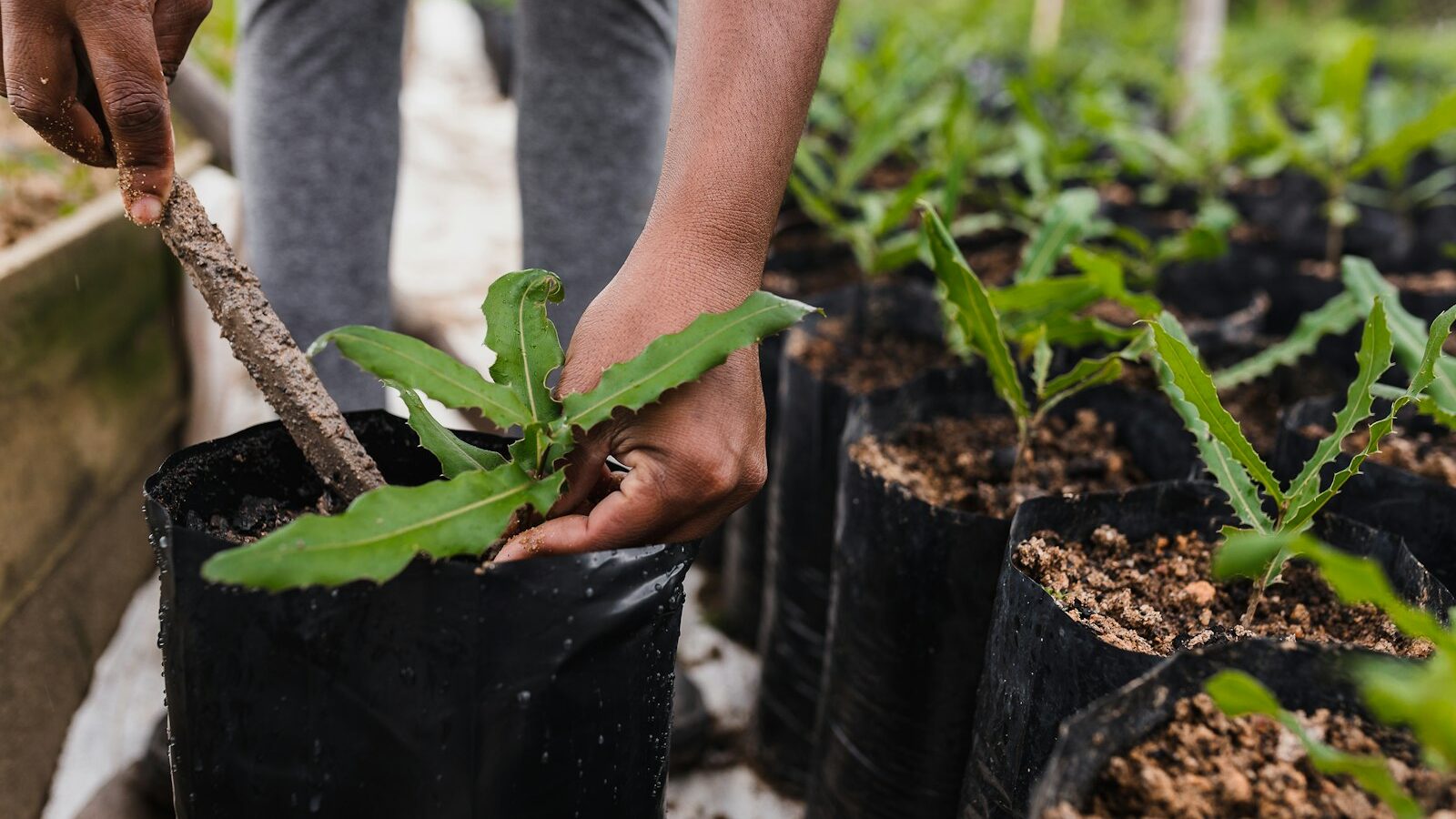
There is something quietly magical about snipping a stem, popping it in water, and watching new roots appear a couple of weeks later. Propagating plants in Singapore is one of the most rewarding things a beginner can do, and it is essentially free. Our warm, humid, tropical weather means cuttings root quickly and grow all year round, with none of the slow, cold season that gardeners in temperate countries have to wait out.
You do not need special equipment, a garden, or any experience. A pair of clean scissors, a glass of water or a small pot, and a spot with bright light are enough to turn one plant into several. This guide walks you through taking a good cutting, choosing between water and soil, and keeping everything safe from our very real dengue risk along the way.
Why Take Cuttings in the First Place
Propagation is simply making new plants from parts of an existing one. Taking stem cuttings is the easiest method for most houseplants, and the reasons to try it are hard to argue with.
- It is free. One healthy pothos or begonia can give you a dozen new plants over time, at no cost.
- It multiplies plants you already love. You know the parent thrives in your home, so the cuttings usually will too.
- It is sustainable. Instead of buying new plants, you grow your own and share the extras with friends and neighbours.
- It tidies leggy plants. Trimming long, straggly stems for cuttings encourages the parent to grow fuller and bushier.
- It builds confidence. Watching roots form teaches you more about how plants work than almost anything else.
Cuttings also make wonderful gifts and are the currency of Singapore’s friendly plant community. Many gardeners in NParks’ Community in Bloom groups happily swap cuttings, so you can grow your collection without spending a cent.
What You Need to Start
The beauty of propagation is how little it asks of you. A basic kit is enough to root most common houseplants.
- Clean, sharp scissors or secateurs. A clean cut heals fast and lowers the risk of disease. Wipe the blades before and after with rubbing alcohol.
- A container. A glass jar, a recycled bottle or a small pot with drainage holes all work.
- Water or potting mix. Either can root a cutting; more on choosing below.
- Bright, indirect light. A spot near a window that is not in fierce direct sun.
That really is it. You do not need rooting hormone for easy species, though a little can speed up woodier or fussier cuttings. If you buy any, follow the product label, and keep it away from children and pets. When you are ready to pot rooted cuttings on, a bag of general potting mix does the job, and our guide to understanding soil and potting mix explains what to look for.
How to Take a Good Cutting
Timing and technique matter more than fancy tools. Take cuttings from healthy, pest-free growth, ideally in the morning when the plant is well hydrated.
- Choose a healthy stem. Pick a non-flowering shoot with a few leaves and no signs of pests or disease.
- Find a node. A node is the little bump where a leaf meets the stem. This is where roots emerge, so every cutting must include at least one.
- Cut just below a node. Snip about half a centimetre below the node, making a clean cut with sterile blades.
- Trim the lower leaves. Remove leaves near the base so they do not sit in water or soil and rot. Keep two or three leaves at the top.
- Let very sappy cuttings rest. Succulents and cacti root better if you leave the cut end to dry and callus for a day or two before planting.
Aim for a cutting around 10 to 15 centimetres long. If you are also tidying up a plant while you take cuttings, our guide on how to prune and trim your plants shows how to shape the parent at the same time.
Water or Soil: Choosing How to Root
Most beginners start with water because you can watch the roots grow, which is satisfying and reassuring. Soil, or potting mix, skips a step because there is no need to move the cutting later. Both work well in our climate, so the right choice depends on the plant and on you.
| Rooting method | Best for | Watch out for | Good for beginners |
|---|---|---|---|
| Water | Pothos, philodendron, monstera, begonia, herbs like mint and basil | Stagnant water breeding mosquitoes; change it often | Yes, you can see roots form |
| Potting mix | Snake plants, succulents, woodier stems, most cuttings | Keeping mix lightly moist but never soggy | Yes, no transplant shock |
| Water then soil | Cuttings you start in water and pot up once rooted | Roots grown in water can sulk at first in soil | Fine, expect a short adjustment |
Neither method is wrong. If you enjoy watching progress, start in water. If you would rather not fuss, push the cutting straight into damp potting mix and keep it in bright, indirect light.
Rooting in Water Without Breeding Mosquitoes
Water propagation is simple: sit the cutting in a jar so the node is submerged but the leaves stay dry, and place it in bright, indirect light. Roots usually appear within one to three weeks for easy species.
This is where Singapore gardeners must be careful. A jar of standing water is exactly the kind of spot where Aedes mosquitoes breed, and dengue is a serious, ongoing risk here. Do not let propagation water sit undisturbed. Change the water every two to three days, which keeps it oxygenated and fresh for the cutting and, crucially, stops mosquitoes laying eggs and larvae developing. When you change it, tip the old water down the sink rather than into a saucer or tray where it could collect. Rinse the roots gently and refill with fresh water. Keep jars covered or narrow-necked where you can, and never leave forgotten glasses of water on a balcony or corridor. Following NEA’s anti-mosquito advice is part of propagating responsibly, not an optional extra.
Once the roots are a few centimetres long, you can move the cutting into potting mix, or simply keep leafy trailers like pothos growing in water as long as you keep refreshing it.
Helping Cuttings Root and Grow On
Cuttings root best when they are warm, humid and undisturbed, which describes most Singapore homes anyway. A few simple habits improve your success rate.
- Keep light bright but indirect. Direct tropical sun can cook a tender cutting and evaporate water fast.
- Be patient. Resist the urge to tug the cutting to check for roots, as this damages the new growth.
- Pot up gently. When roots are established, move the cutting into a small pot with drainage, water it in, and keep it out of harsh sun for a week while it settles.
- Hold off on feeding. Wait until the cutting is growing new leaves before you fertilise, and always follow the product label.
Not every cutting will take, and that is completely normal. Take a few at once to improve your odds, and do not be disheartened by the odd failure. If a rooted cutting later looks poorly, our guide on how to revive a dying plant can help you turn it around.
Easy Plants to Start With
If you are new to propagating plants, start with species that root almost eagerly. Pothos and philodendron root in water within a week or two and are almost foolproof. Monstera, begonia, coleus and spider plant offshoots are similarly generous. Among edibles, mint, basil and laksa leaf strike readily in water on a kitchen windowsill. Snake plants and succulents prefer to root in slightly dry potting mix and reward patience. Begin with one or two of these, get a feel for the rhythm, and you will soon have more plants than pots to hold them.
Explore more
Once your cuttings are rooted, learn what to plant them in with our guide to understanding soil and potting mix, and feed them the right way with how to fertilise plants in Singapore. If a young cutting ever struggles, how to revive a dying plant will help you nurse it back to health.