
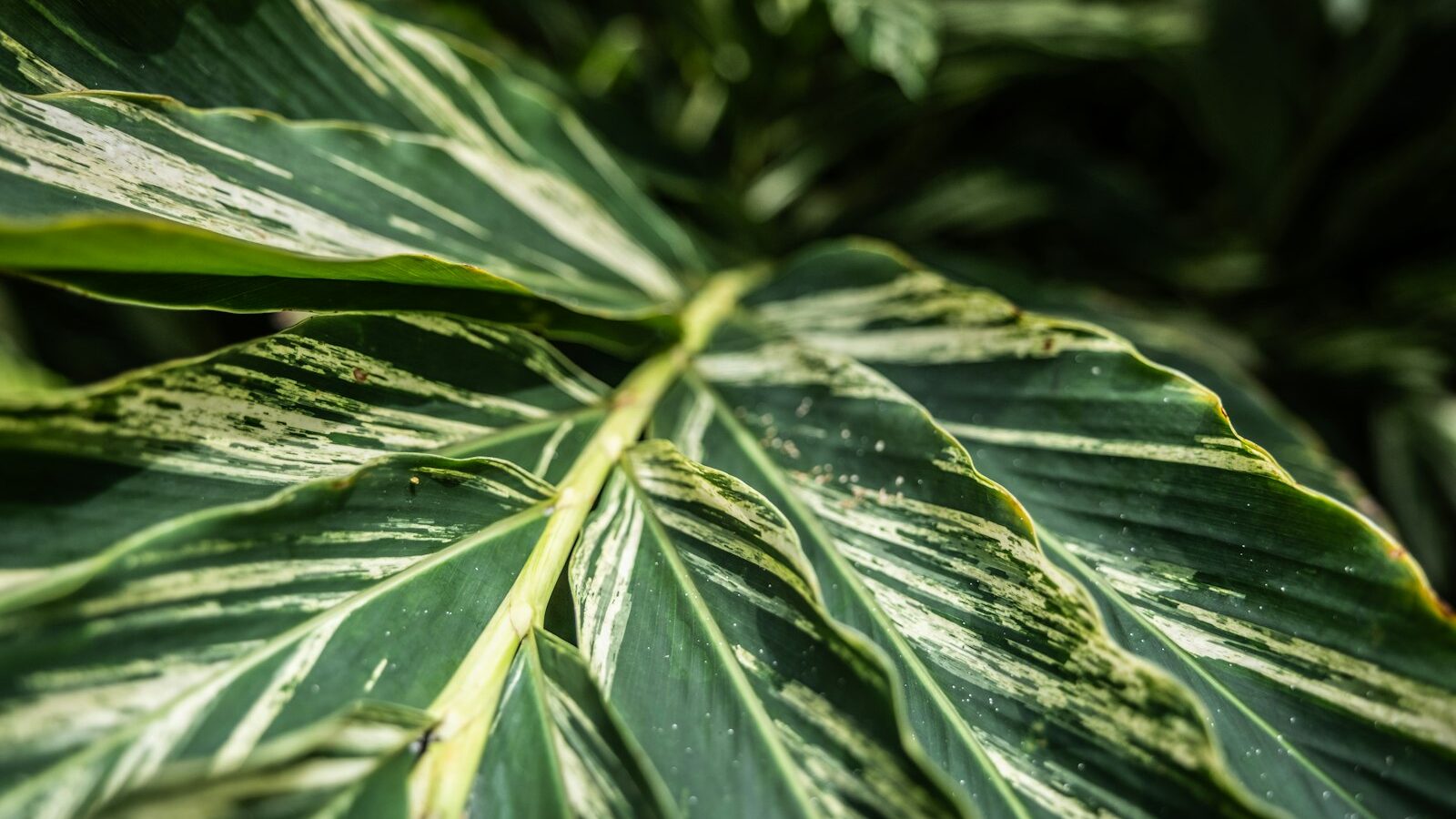
Few houseplants are as quietly captivating as the prayer plant. In a prayer plant Singapore home, the Maranta earns its name through a gentle daily rhythm, folding its beautifully patterned leaves upward at dusk as though held in prayer, then opening them again with the morning light. The most loved variety, Maranta leuconeura, carries deep green leaves brushed with red herringbone veins and dark splotches, a living artwork that looks stunning trailing from a shelf or spilling over a hanging basket.
Coming from the humid rainforests of Brazil, the prayer plant is naturally suited to our warm, moist climate. That said, it has a reputation for being a touch fussy, and understanding a few key needs makes all the difference between a sulking plant and a lush, thriving one on your HDB or condo shelf.
Light and the Right Position
In its native forest floor, the prayer plant grows in dappled shade beneath a thick canopy, so it never sees direct sunlight. This is the single most important thing to remember. Give your Maranta bright but indirect light, well away from any window where our strong equatorial sun can strike the leaves directly. Harsh sun very quickly fades the gorgeous colours and scorches the foliage, leaving bleached, papery patches that will not recover.
An ideal spot is a metre or so back from a bright window, a north-facing ledge, or a well-lit bathroom where light is soft and filtered. The prayer plant also tolerates lower light better than many patterned plants, which makes it a good choice for the interior of a flat where direct sun rarely reaches. If light is too low, though, the leaves lose some of their vivid contrast and the plant becomes leggy, so aim for that bright yet shaded sweet spot.
Because the leaves move in response to light, you may notice them staying flatter and more open in a well-lit position and folding more dramatically at night. This is perfectly normal and part of the plant’s charm. Rotate the pot occasionally so growth stays balanced on all sides.
Watering, Humidity and Feeding
The prayer plant likes its soil to stay lightly and consistently moist, never bone dry and never waterlogged. Aim to water when the very top of the soil begins to feel dry to the touch, keeping the mix evenly damp like a wrung-out cloth. In our climate, indoor plants dry more slowly, so check with your finger rather than watering on a fixed schedule. Letting the plant dry out completely often causes crispy leaf edges and curling, while constant sogginess leads to root rot.
Water quality matters more for this plant than for most. Maranta can be sensitive to the minerals and chlorine in tap water, which sometimes shows up as browning leaf tips. If you notice this, using cooled boiled water, filtered water or rainwater collected off a balcony often helps. As always in Singapore, never let water pool in the saucer beneath the pot. Standing water rots roots and, importantly, becomes a mosquito breeding site and a dengue risk, so tip the saucer out promptly every time.
Humidity is where the prayer plant is genuinely demanding, and here our climate does much of the work for you. The naturally humid Singapore air keeps Maranta happier than it would ever be in a temperate country. The catch is air-conditioning. A room kept cool and dry by the aircon can quickly crisp the leaf edges. If you run the aircon often, group your plants together, stand the pot on a tray of pebbles topped up with a little water below the pot base, or move it to a more humid spot such as a bathroom.
Feed lightly during the plant’s active growth, which in our year-round warmth is most of the time. A balanced liquid houseplant fertiliser at half strength, roughly once a month, is ample. Over-feeding causes salt build-up and brown tips, so err on the gentle side and flush the soil with plain water occasionally.
| Care factor | What the prayer plant prefers |
|---|---|
| Light | Bright, indirect light; never direct sun; tolerates some shade |
| Water | Keep evenly moist; water when the surface dries; empty saucer |
| Humidity | High; our climate helps, but protect it from dry aircon air |
| Feeding | Half-strength liquid feed about once a month |
| Soil | Light, moisture-retentive but well-draining mix |
| Watch for | Crispy edges from dry air, tap water sensitivity, faded colour |
Soil, Repotting and Common Problems
Use a light, airy potting mix that holds some moisture without becoming heavy or compacted. A blend of standard potting soil with added perlite and a little coconut coir works well, giving roots both moisture and air. Choose a pot with drainage holes, and if you slot it inside a decorative cover pot, remember to empty out any water that collects underneath after watering.
Prayer plants have relatively shallow, spreading roots and do not need frequent repotting. Move up a pot size every year or two when roots fill the container. Early morning is a good time to check the plant, as the leaves are open and you can spot any pests. Look on the undersides for spider mites, which thrive on dusty leaves and near dry aircon vents; a gentle wipe with a damp cloth and increased humidity usually keeps them away.
If lower leaves yellow, review your watering, as this often signals overwatering. Curling leaves and brown crispy tips point to dryness, low humidity or tap water minerals. The good news is that Maranta responds quickly once conditions improve, and pruning off tired leaves encourages fresh, colourful growth.
On safety, the prayer plant is generally regarded as non-toxic and pet friendly, which makes it a reassuring choice for homes with cats, dogs or curious toddlers. Even so, it is always wise to discourage any chewing of houseplants and to wash your hands after handling soil or trimming.
Get the light gentle, the moisture steady and the air humid, and your Maranta will thank you with its mesmerising nightly leaf dance and some of the most beautiful foliage you can grow indoors in Singapore.
Explore more
A Beginner’s Guide to Houseplants
Pet-Friendly and Non-Toxic Plants
How to Acclimatise a New Plant
Styling Plants in Your Home