
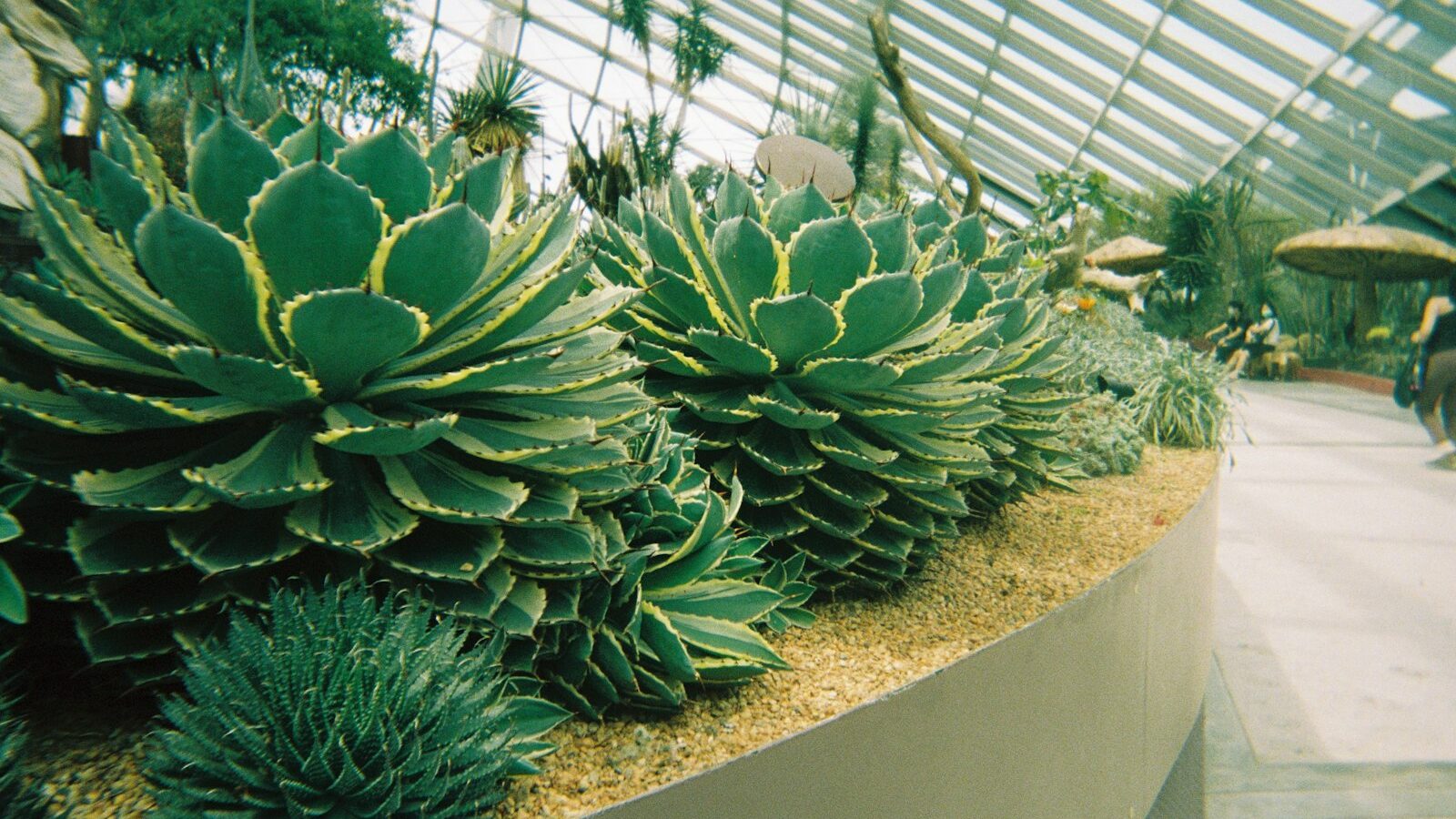
If you want a succulent that forgives beginners and copes with the tropics better than most, meet the haworthia. Caring for haworthia in Singapore is refreshingly simple because, unlike sun-hungry echeverias, these small South African rosettes actually prefer bright but indirect light, which is exactly what many HDB windowsills provide. They stay compact, live for years and shrug off the occasional missed watering, making them an ideal first succulent or a tidy desk companion.
What Makes Haworthia So Easy
Haworthias are small, slow-growing succulents that form neat clusters of pointed or rounded leaves. The best known are the zebra types, with crisp white bands across dark green leaves, and the translucent window types whose plump leaf tips look almost like frosted glass. They come from shaded, rocky ground in southern Africa, often tucked under other plants, so they are used to filtered light rather than full desert sun. That single fact is why they suit our homes so well: they thrive in the bright, indirect light of an indoor windowsill, where a sun-loving succulent would sulk.
Like all succulents, they store water in their leaves to survive dry spells, so the golden rule still applies here. Overwatering, not underwatering, is what kills them. But because they tolerate lower light and need only a little water, they are one of the most low-maintenance plants you can own in Singapore.
Light: Bright but Not Baking
Haworthias want bright, indirect light for most of the day. An east-facing windowsill with gentle morning sun is close to perfect, as is a spot a little back from a bright window that never catches harsh midday rays. In good light the leaves stay tight, firm and richly marked.
Two things to avoid. First, harsh direct afternoon sun, especially through hot glass, can scorch the leaves and turn them a reddish or bleached brown. If yours starts to look sunburnt, move it back from the window. Second, deep shade. In a dim corner a haworthia will etiolate, meaning it stretches and pales as the rosette opens up and reaches for light, losing its neat form. If yours starts stretching or the colour fades, give it a brighter position, not more water.
Soil, Pots and Drainage
Drainage decides whether your haworthia thrives or rots. In our humid air water lingers, so the mix and pot must let it escape quickly.
- A gritty, fast-draining mix. Use a cactus and succulent compost, or lighten ordinary potting soil with plenty of perlite, coarse sand or fine gravel.
- Pots with drainage holes only. Never use a sealed decorative pot. If you love a cover pot, keep the plant in a plastic nursery pot inside and lift it out to water.
- Small and snug. Haworthias have modest root systems and are happy in a small pot, which also dries out faster. Terracotta helps by wicking moisture away.
Haworthia Care at a Glance
| Care factor | What haworthia wants in Singapore |
|---|---|
| Light | Bright but indirect; gentle morning sun is ideal |
| Watering | When soil is fully dry, then soak and drain |
| Soil | Gritty cactus mix with sharp drainage |
| Pot | Small terracotta pot with drainage holes |
| Humidity | Tolerant, but likes airflow |
| Warning sign | Stretching means too little light; mushy leaves mean too much water |
Watering the Right Way
Wait until the soil is completely dry, then water thoroughly and let every drop drain away. In Singapore this often means watering roughly every week or two, less in dull, wet weather. The simplest test is a wooden skewer pushed deep into the pot: if it comes out damp, wait. When in doubt, do not water, as a thirsty haworthia plumps up again within a day while a waterlogged one rarely recovers.
Water the soil, not the centre of the rosette, and avoid letting water sit among the leaves in our humidity. Firm, plump leaves mean the plant is happy. Soft, yellowing or translucent mushy leaves are the classic sign of overwatering, so ease off and let the pot dry right out. A little airflow from an open window or breezy balcony helps the soil dry and keeps rot and fungus at bay.
The Singapore Mosquito Rule
There is one local rule you must never skip. After watering, never let water pool in the saucer, tray or cover pot beneath your haworthia. Standing water is a breeding ground for Aedes mosquitoes, and dengue is a serious, ongoing risk here. Because succulents are watered rarely and left to sit, a forgotten saucer can quietly stagnate for days. Tip out the saucer every time and keep it dry between waterings, following NEA’s guidance on removing stagnant water around the home.
Feeding is barely necessary. If you like, give a very dilute, balanced feed once or twice during the brighter months and always follow the label. Keep fertilisers and any pest treatments away from children and pets, and choose gentle, eco-friendly options first.
Propagating and Long-Term Care
Haworthias are happy to stay in the same small pot for a long time and only need repotting every couple of years, or when a cluster has clearly outgrown its container. When you do repot, it is the perfect moment to divide the plant. Mature haworthias produce offsets, or pups, around the base; gently tease these away with a few roots attached and pot them into fresh gritty mix. Kept in a bright, airy spot, they quickly establish into new plants, so a single healthy rosette can become a whole windowsill collection over time.
Choose a first plant with firm, plump, well-coloured leaves and no soft or discoloured spots. Give it bright indirect light, gritty soil, a small well-drained pot and a light touch with the watering can, and your haworthia will reward you with years of neat, trouble-free growth. Of all the succulents to start with in Singapore, this tough little rosette is one of the most forgiving.
Explore more
Building a succulent shelf? See our overview of Caring for Succulents and Cacti and compare the sun-loving Growing Echeveria and Rosette Succulents. For another easy-care classic try Growing Aloe Vera at Home, or browse The Best Low-Maintenance Indoor Plants.