
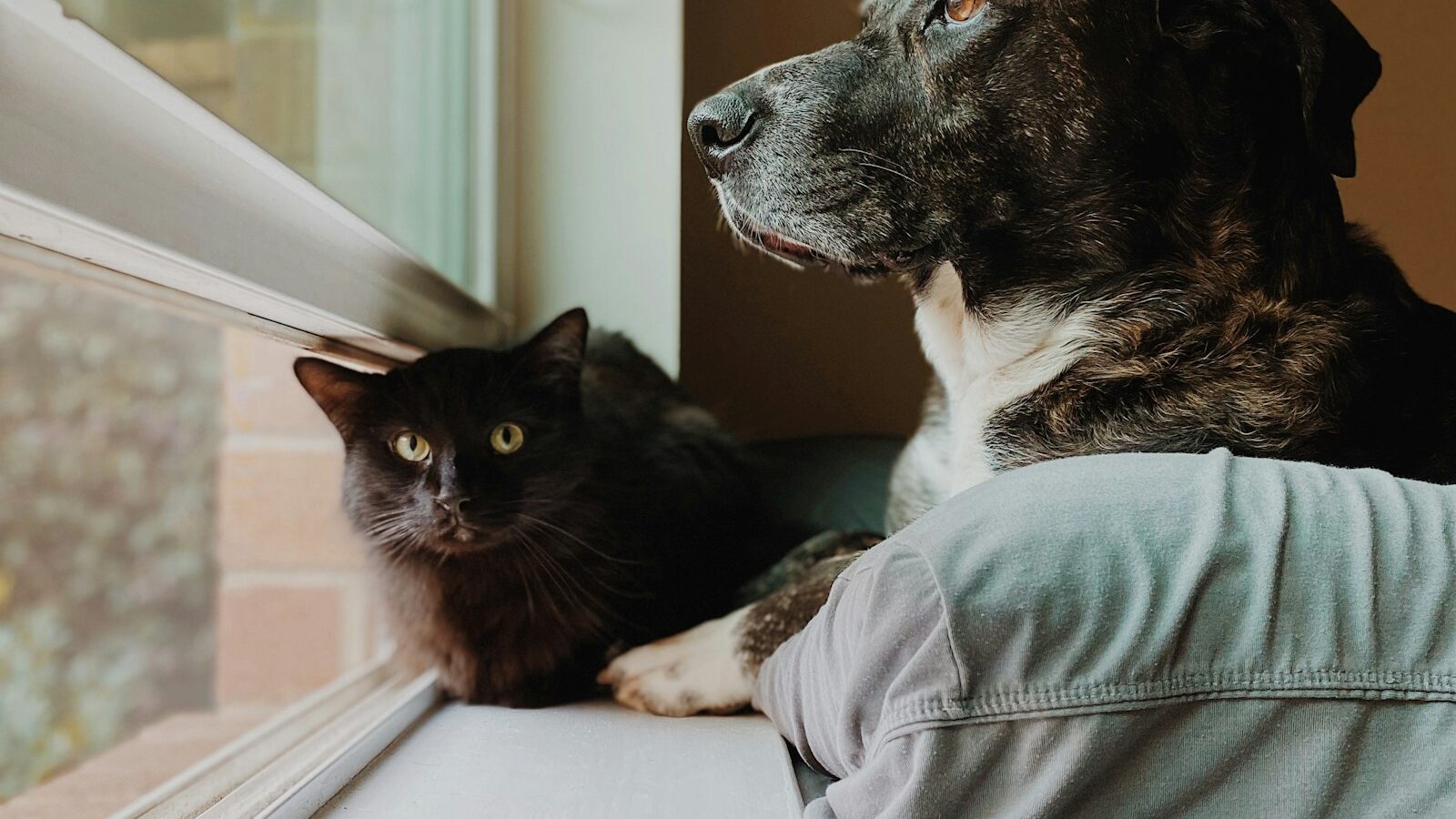
A quiet home can feel very quiet when children have grown and daily routines have loosened. Companion pets for seniors offer something powerful in that space: warmth, a reason to get up in the morning, gentle exercise, and the simple comfort of another living thing to care for. Research and everyday experience alike suggest that a suitable pet can ease loneliness, lower stress and add welcome structure to the day. At the same time, a pet is a serious, long-term commitment, and choosing one well matters as much as choosing to have one at all.
This is general guidance, not veterinary or medical advice. For health concerns about allergies, infection risk or mobility, speak with a doctor, and consult a vet about any animal’s care.
What a Pet Can Bring to Later Life
The benefits of animal companionship are easy to feel and hard to overstate. A dog that needs a daily walk gives a natural reason to move and to meet neighbours. A cat curled on your lap lowers the sense of being alone in the evenings. Feeding, grooming and routine care create a rhythm that can be steadying, especially for someone living on their own or recently bereaved.
Pets also offer emotional steadiness. They do not mind repeated conversations, they greet you the same way each day, and they respond to affection with affection. For seniors managing low mood or isolation, that constancy can be genuinely therapeutic. Caring for another creature restores a sense of being needed and useful, which sits at the heart of wellbeing in later life.
None of this means a pet is right for everyone. The same needs that make an animal rewarding also make it demanding, and honesty about your energy, health and living situation is the kindest starting point.
Choosing the Right Pet Responsibly
In Singapore, the type and number of pets you may keep depend on your housing and on rules set by the authorities. The Animal and Veterinary Service (AVS) sets out which animals and, for flats, which dog breeds are approved, along with licensing requirements for dogs. Before bringing any animal home, check the current AVS rules and your HDB or condominium regulations, because keeping a disallowed animal is unfair to the pet and can lead to it being removed.
Match the animal to your real capacity, not to an ideal:
- Energy and mobility. A young, active dog needs daily walking and training. A calmer, older or smaller animal may suit someone with limited mobility.
- Living space. Smaller flats suit smaller, quieter pets. Consider noise, space to roam, and safety around walkways.
- Handling and strength. Choose an animal you can lift, bathe and control on a lead without strain or risk of a fall.
- Lifespan and continuity. Some pets live many years. Think honestly about who would care for the animal if your health changed.
Adopting an older, settled animal from a shelter is often a wise match for a senior, since a mature pet’s temperament is known and it may be calmer than a puppy or kitten. Rehoming also gives a deserving animal a loving home.
Weighing the Real Costs and Care
A pet’s love is free, but its care is not. Planning for the practical and financial side prevents heartache later. The table below compares common companion options to help you weigh the commitment.
| Option | Typical care needs | Ongoing cost | Best suited to |
|---|---|---|---|
| Small dog (AVS approved for flats) | Daily walks, grooming, training, licensing | Higher | Active seniors who can walk and handle a dog |
| Cat | Feeding, litter, grooming, indoor safety | Moderate | Those wanting affection with less outdoor demand |
| Small caged pet or fish | Feeding, cleaning, tank or cage upkeep | Lower | Limited mobility or space; gentle routine |
| Robotic or plush companion pet | Charging, minimal upkeep | One-off, low | Frailty, dementia, or where live pets are not allowed |
Ongoing costs include food, grooming, vaccinations, licensing where required, and veterinary care, which can rise sharply if an animal falls ill. Set aside a realistic buffer for vet bills. Just as importantly, arrange a backup carer, a family member or friend who could step in if you were hospitalised or unable to cope, and note the pet in your wider plans.
When a Live Pet Is Not the Right Fit
For some seniors, particularly those living with frailty, advanced dementia or serious allergies, the responsibility of a live animal outweighs the benefits. This does not mean going without companionship. Robotic companion pets and lifelike soft toys have been used with real success in care settings, offering soothing interaction without feeding, walking or vet visits. They can be especially calming for people with dementia.
There are middle paths too. Volunteering at an animal shelter, pet-sitting a family member’s dog, or spending time with visiting therapy animals lets you enjoy animal company without full-time ownership. These arrangements suit anyone whose circumstances may change, and they can be combined with other forms of support at home. If staying connected and supported at home is a wider concern, our guide to eldercare technology and remote monitoring covers tools that help.
Building Pet Care Into Daily Life
If you decide a pet is right for you, set it up for success from day one. Establish feeding and walking routines, pet-proof the home to remove trip hazards and reachable dangers, and keep the vet’s details and your backup carer’s number somewhere obvious. Non-slip flooring and a clear path to the door help both you and an eager dog stay safe.
Think about the household budget as a whole. A pet is a recurring expense, so factor it into your monthly planning alongside other costs, and be aware of the many senior discounts and concessions that can free up room in your budget elsewhere. Managing routine payments easily also helps, and our guide to digital banking and e-payments for seniors explains safe ways to handle recurring bills.
A Companion Worth the Commitment
Chosen thoughtfully and cared for responsibly, companion pets for seniors can transform daily life, bringing purpose, gentle activity and steady affection into a home that might otherwise feel empty. The key is an honest match between the animal’s needs and your abilities, respect for AVS and housing rules, and a clear plan for costs and backup care. Whether that means a settled shelter cat, a small companionable dog, or a lifelike robotic pet, the right choice is the one you can love and look after well for the long haul.