
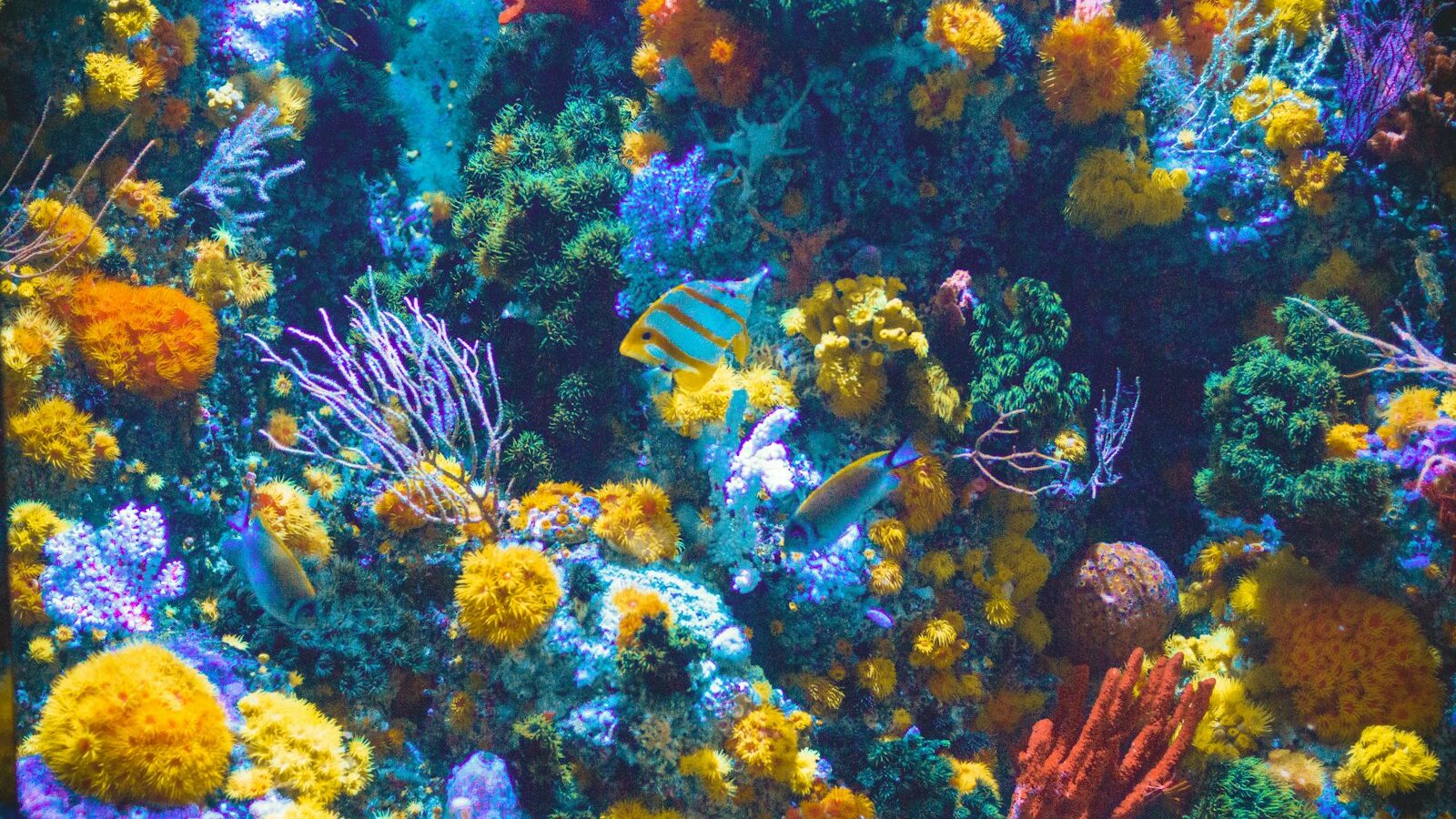
Every fishkeeper meets algae sooner or later, and dealing with aquarium algae in Singapore is often a normal part of the hobby rather than a sign you have failed. A little algae is even a good thing, because it tells you the tank is alive and the biology is working. Problems only start when it takes over, coating the glass, smothering plants and turning the water green. The good news is that algae is almost never the real problem. It is a symptom, and once you understand what feeds it, you can bring it back under control without harsh chemicals or panic.
This is general aquarium care guidance for a home hobbyist, not a substitute for advice from an experienced aquatics shop or an aquatic vet if your fish look unwell. Let us walk through why algae appears and the calm, steady steps that keep it in check.
Why Algae Blooms in the First Place
Algae needs three things to thrive: light, nutrients and time. When any one of these is out of balance, algae grows faster than your plants and your clean-up habits can manage. In Singapore’s warm homes, tanks tend to run a little warmer, and warmth can nudge algae along too.
Light is the most common culprit. Tanks placed near a sunny window get hours of free, uncontrolled sunlight, which is a feast for algae. Leaving the aquarium light on all day, or running an overly bright light for a tank with few plants, has the same effect. Most planted community tanks do well with roughly six to eight hours of light a day on a timer, and non-planted tanks often need even less.
Nutrients are the second driver. Uneaten food, fish waste and decaying leaves release nitrates and phosphates that algae loves. Overfeeding and overstocking are the usual reasons these build up. A tank with too many fish, or a well-meaning owner who feeds generously, is effectively fertilising the algae.
The third factor is a young or unstable tank. A newly set up aquarium goes through a settling-in period, and algae outbreaks in the first weeks are extremely common while the biological filter matures. If your tank is new, patience and consistency matter more than any product. Our guide to setting up and cycling your first aquarium explains that maturing process in more detail.
Getting Light and Nutrients Back in Balance
Because algae feeds on light and nutrients, controlling it means gently reducing both to a level your plants and fish are happy with.
Start with light. Move the tank away from direct sunlight if you can, or use a curtain or blind to block afternoon sun. Put the aquarium light on a simple plug-in timer so it runs a consistent block of hours each day, and trim it back if algae is winning. Consistency helps more than intensity.
Next, tackle nutrients:
- Feed less. Offer only what your fish finish in a couple of minutes, once or twice a day, and skip a day now and then. Most aquarium fish are fed far more than they need.
- Do regular partial water changes. Swapping out around a quarter to a third of the water each week dilutes the nitrates and phosphates that algae relies on. Use dechlorinated water at a matching temperature.
- Do not overstock. Fewer fish means less waste. If your tank feels crowded, that is a nutrient source you can reduce over time.
- Remove decaying matter. Trim dying plant leaves and siphon debris from the substrate during water changes.
Live plants are a fishkeeper’s best ally against algae, because healthy plants compete for the very same nutrients and light. A well-planted tank often has far less trouble than a bare one. If you would like to lean into this approach, setting up a planted aquarium is a natural next step.
Cleaning Up and Keeping It Under Control
Alongside fixing the causes, some hands-on cleaning speeds recovery. Wipe the glass with an algae scraper or a clean, dedicated sponge. Gently rub soft algae off hardy plant leaves and decor. During water changes, siphon visible algae away rather than leaving it to break down and feed the next bloom.
A clean-up crew can help too. Depending on your tank, algae-eating fish such as otocinclus, along with snails and shrimp, graze on algae naturally and keep surfaces tidier. They are helpers, not a magic fix, so add them thoughtfully and only if they suit your setup and water conditions. Some owners enjoy building a whole tank around them, and our piece on shrimp and snail nano tanks covers that gentler style of aquascaping.
A few honest points. Avoid reaching for algae-killing chemicals as a first response, as they treat the symptom and can stress fish or crash a young tank. Persistent green water, stubborn black tufts or slimy blue-green films usually point back to too much light, too many nutrients or poor flow, so return to those basics. And clean the glass and decor with aquarium-safe tools only, never household detergents, which are toxic to fish.
A Calm, Steady Approach Wins
Controlling algae is a marathon, not a sprint. Rather than chasing every green patch, aim for a stable, well-balanced tank: sensible lighting on a timer, modest feeding, a manageable number of fish, healthy plants and a reliable weekly water change. Do those things and algae settles into the small, harmless background presence it is meant to be.
If your fish look distressed, are gasping at the surface or the water quality suddenly worsens, treat that as a welfare concern and get advice from a trusted aquatics specialist or an aquatic vet. Fishkeeping rewards patience, and a little algae along the way simply means you are learning the rhythm of your own tank. For the wider picture, our overview of keeping fish and aquariums ties these habits together into a healthy long-term routine.