
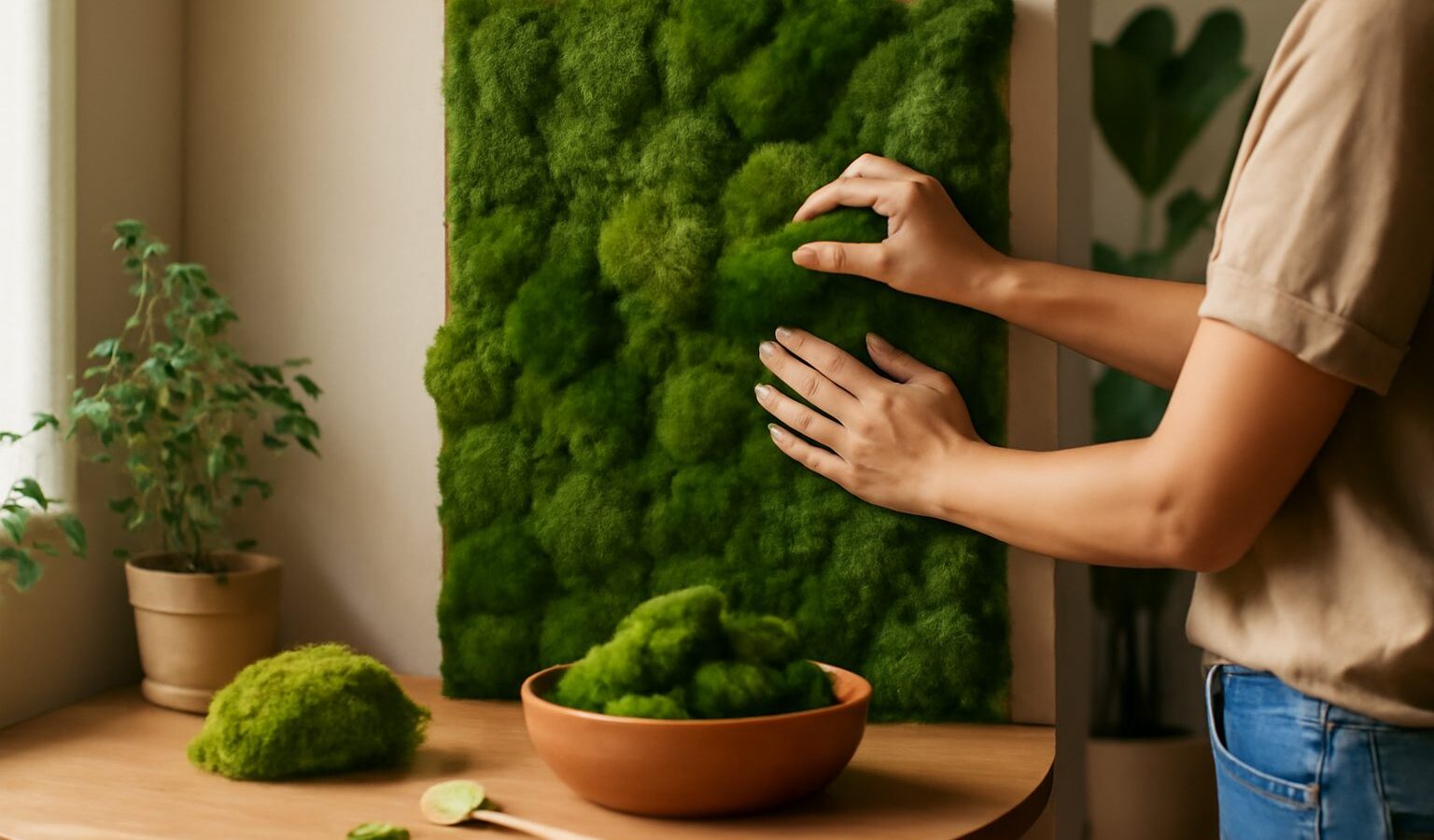
There is something calming about a sheet of soft green moss. It softens hard edges, muffles noise, and brings a forest-floor stillness to a corner of the home. A moss garden singapore dwellers can grow may sound unlikely in a city of concrete and sun, but our steady humidity actually gives moss much of what it wants. The secret is simple: give it shade, keep it damp, and choose the right shady, sheltered spot.
This guide explains where moss thrives, how to build a small moss wall or ground patch, and how to keep it healthy without creating a mosquito problem.
Why Moss Suits Humid Singapore
Moss has no true roots and draws moisture straight from the air and surfaces around it. That makes our climate a natural fit, because the humidity that troubles some plants is exactly what moss loves. You will already have noticed it growing on shaded drains, damp walls and the north side of planters. A moss garden singapore homes can support simply channels that tendency into a spot you choose.
What moss cannot tolerate is direct, baking sun, which dries and browns it within hours. So while our humidity helps, the deciding factor is always shade. A moss project is best suited to a sheltered balcony corner, a covered walkway, a shaded courtyard, or an indoor spot away from a bright window.
Where to Put Your Moss
Before you gather any moss, study the light in your space through the day. The ideal location is bright but never in direct sun, with high humidity and little harsh wind to dry things out. Deep shade under a covered ledge, a wall that never sees the sun, or the base of taller plants all work well.
Good options include:
- A vertical moss wall mounted on a shaded balcony or indoor feature wall.
- A ground patch in a shady courtyard or the damp corner of a community garden.
- A moss-topped container tucked among your shade-loving ferns and orchids.
Avoid sunny railings, west-facing walls and open rooftops. No amount of watering will keep moss green if the sun reaches it.
You can also gather your own starter moss from your surroundings, taking only small amounts and leaving plenty behind. Look on shaded, damp surfaces such as the north side of planters, the base of walls, or old pots left in the shade. Lift a patch gently with a thin blade so you keep the green layer intact, and keep it moist until you are ready to press it onto your board or bed. Starting with moss already thriving nearby is a good sign that the same type will settle happily into your chosen spot.
Building a Simple Moss Wall
A small moss wall is an achievable weekend project. You will need a backing board that resists rot, such as marine plywood or a plastic panel, a layer to hold moisture like sphagnum moss or a felt mat, and patches of live moss you have collected or propagated.
- Fix your moisture-holding layer to the backing board so it sits evenly.
- Dampen the layer thoroughly before you begin.
- Press pieces of live moss firmly onto the surface, fitting them together like tiles.
- Hold them in place with fine netting or clear thread until they attach on their own.
- Hang the finished panel in your chosen shady spot.
For a ground moss garden, simply clear a shaded patch, firm the soil, press moss sheets onto it, and keep them pressed down until they knit into the surface. In both cases, contact and moisture are what let moss establish.
Keeping Moss Damp Without Mosquitoes
Moss needs to stay consistently moist, which means misting it once or twice a day in dry weather, and less when the air is already heavy with humidity. A hand mister or a fine spray works best; the goal is a damp surface, not a soaking one.
Here is where care matters most in our climate. Moss likes damp, but it does not need standing water, and stagnant water is an invitation for mosquitoes to breed. Never let trays, saucers or wall reservoirs collect still water. Mist rather than pool, ensure any backing drains freely, and empty catchment trays after watering.
| Do | Avoid |
|---|---|
| Mist to keep the surface damp | Leaving standing water in trays |
| Provide shade and airflow | Placing moss in direct sun |
| Let excess water drain away | Sealed containers that trap water |
| Check weekly for mosquito risk | Ignoring stagnant pools |
Good airflow helps too, since gently moving air keeps moss fresh and discourages the sour smell that comes with waterlogged, stagnant setups. If you use an enclosed container, open it regularly to let it breathe.
Rainwater, where you can collect it cleanly, is gentler on moss than treated tap water, which sometimes carries chlorine that moss dislikes. If you only have tap water, letting it stand in an open jug for a few hours before misting allows some of the chlorine to disperse. This is a small step, but over time it keeps your moss a richer green, and it costs nothing to do.
Keeping Your Moss Garden Thriving
Moss is low-maintenance once settled, but it is not no-maintenance. Keep it out of the sun, keep it damp, and keep the air moving, and it will slowly spread and deepen in colour. Trim back any faster-growing weeds that try to invade, and lift away any patch that browns so healthy moss can fill the gap.
Because moss grows slowly, patience is part of the pleasure. Over weeks and months, a bare board or shady corner turns into a lush green surface. A moss garden singapore flats and gardens can hold is proof that even in a hot, built-up city, a little pocket of cool green forest is well within reach.