
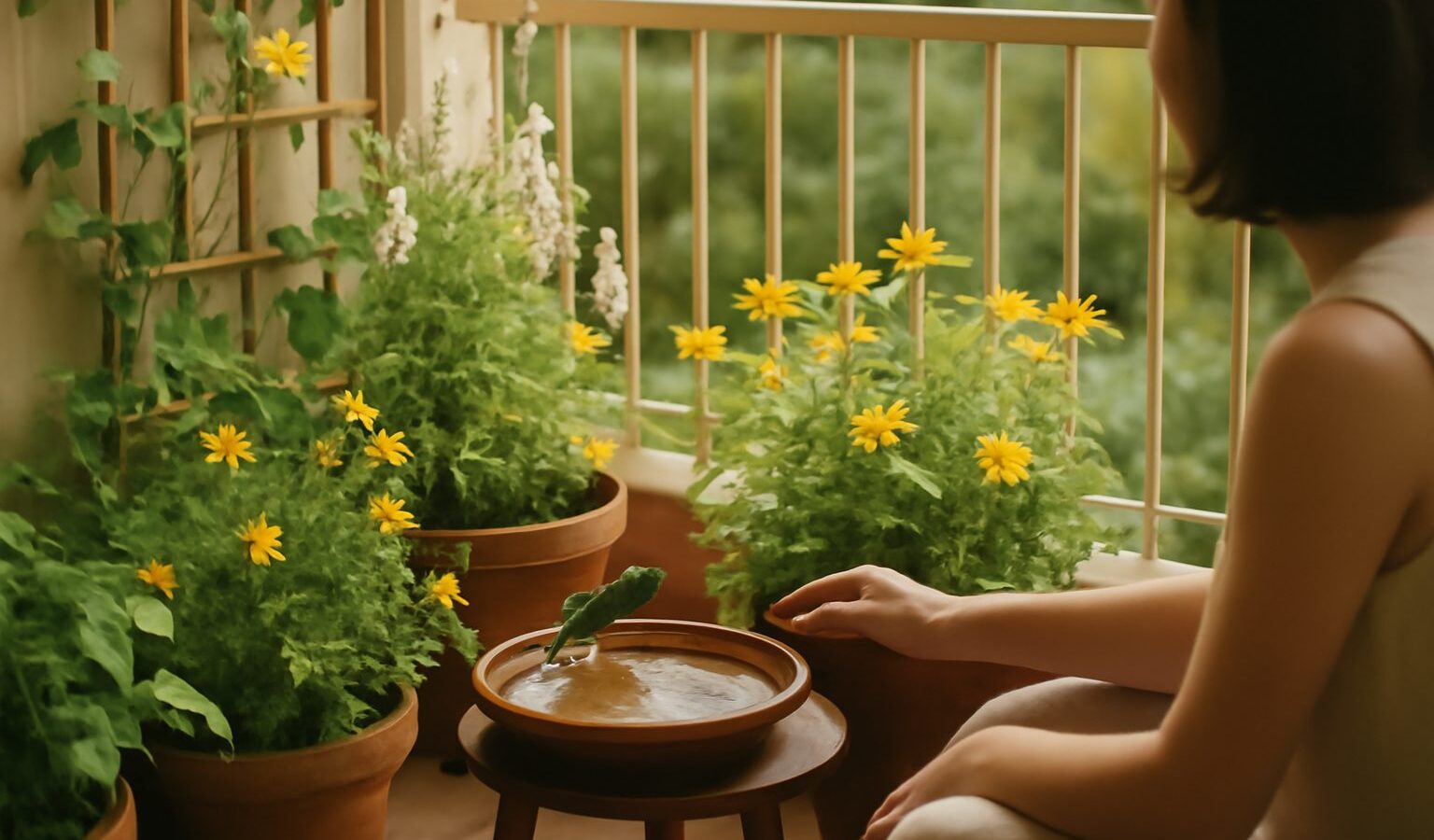
Even high above the ground, a balcony can become a small pocket of nature. Butterflies drift up surprisingly high floors, sunbirds visit flowering plants, and bees find their way to blooms wherever they grow. Creating a wildlife friendly balcony in Singapore is simply about offering these visitors what they need, food, water and a little shelter, using the plants and space you already have. It rewards you with movement, colour and the quiet pleasure of watching living things at work among your greenery.
This guide covers the plants that draw wildlife in, how to add water and shelter, and the safe habits that keep your visitors, and your neighbours, happy.
Plants That Bring Wildlife In
The heart of a wildlife balcony is flowering, nectar-rich plants. Bees, butterflies and sunbirds are drawn to blooms, so aim to have something in flower for as much of the year as possible. In our climate, with no true winter, this is very achievable. Choose a mix of shapes and colours, since different creatures favour different flowers. Our guide to attracting bees and pollinators lists plants that reliably draw them, and the piece on how to attract butterflies and birds to your garden goes further into what each visitor is looking for.
Butterflies need more than nectar. The adults sip from flowers, but their caterpillars eat specific host plants, and without those you will see butterflies pass through but never settle to breed. Herbs such as lime and curry leaf, along with certain local plants, act as host plants for common Singapore butterflies. It helps to accept that a few chewed leaves are the price of raising butterflies, so try not to reach for the spray at the first nibble.
Do not overlook the value of a layered planting. Taller plants and trailing species create the vertical structure and cover that make small creatures feel safe enough to linger. If your balcony gets strong sun, our guide to the best plants for a sunny balcony will help you pick flowering species that can take the heat, while a shadier ledge can still support foliage that provides shelter.
Adding Water and Shelter
Water is the feature most people forget, yet it draws wildlife as much as flowers do. A shallow dish of clean water, topped with a few pebbles or a stone that breaks the surface, gives bees, butterflies and birds a safe place to drink without drowning. Keep the water shallow and refresh it often.
There is one important local caveat. Any standing water can breed Aedes mosquitoes, which spread dengue, so a wildlife water dish must never be left to sit still for days. Change the water every day or two, scrub the dish, and never let saucers under your pots collect water for long. This single habit keeps your balcony safe and responsible while still offering wildlife a drink.
Shelter can be as simple as dense planting where insects can rest out of the wind and rain. Butterflies and bees appreciate a sheltered, sunny corner where they can wait out heavier monsoon downpours, so leave a dense, protected spot for them to retreat to.
Gardening Safely for Wildlife
If you want wildlife to thrive, the way you deal with pests matters enormously. Broad sprays, even natural ones, do not tell the difference between a pest and a pollinator, and they can wipe out the very visitors you are trying to attract. The kindest approach is to tolerate a little damage, pick off pests by hand where you can, and reach for the beneficial creatures that do the job for you. Ladybirds, lacewings and predatory insects will control aphids and other pests naturally once your balcony becomes a place they want to be. Our guide on attracting beneficial insects to your garden explains how to invite these natural helpers in.
If you must treat a stubborn problem, use any spray strictly as directed, spot-test it first, apply it in the evening when pollinators are less active, and never spray flowers that bees and butterflies are visiting. Keep sprays away from your water dish and from anything you grow to eat.
A gentle word on your neighbours. Balconies in HDB blocks and condos are shared airspace, and it is courteous to keep your setup tidy, avoid attracting large flocks of birds that could bother others, and follow any building rules on what you can keep outside. Check with your town council or condo management if you are unsure, and keep the mosquito point above front of mind, as it protects everyone around you.
Enjoy Your Living Balcony
A wildlife friendly balcony in Singapore does not need to be large or elaborate. A few nectar plants, a host plant or two, a safe and regularly refreshed water dish, and a hands-off attitude towards minor pest damage will slowly turn your ledge into a living space that hums with visitors. Start with one flowering plant that pollinators love, add water once you have the mosquito routine sorted, and watch who arrives. The first butterfly that lingers to lay its eggs, or the first sunbird that stops to sip, makes every bit of effort worthwhile.