
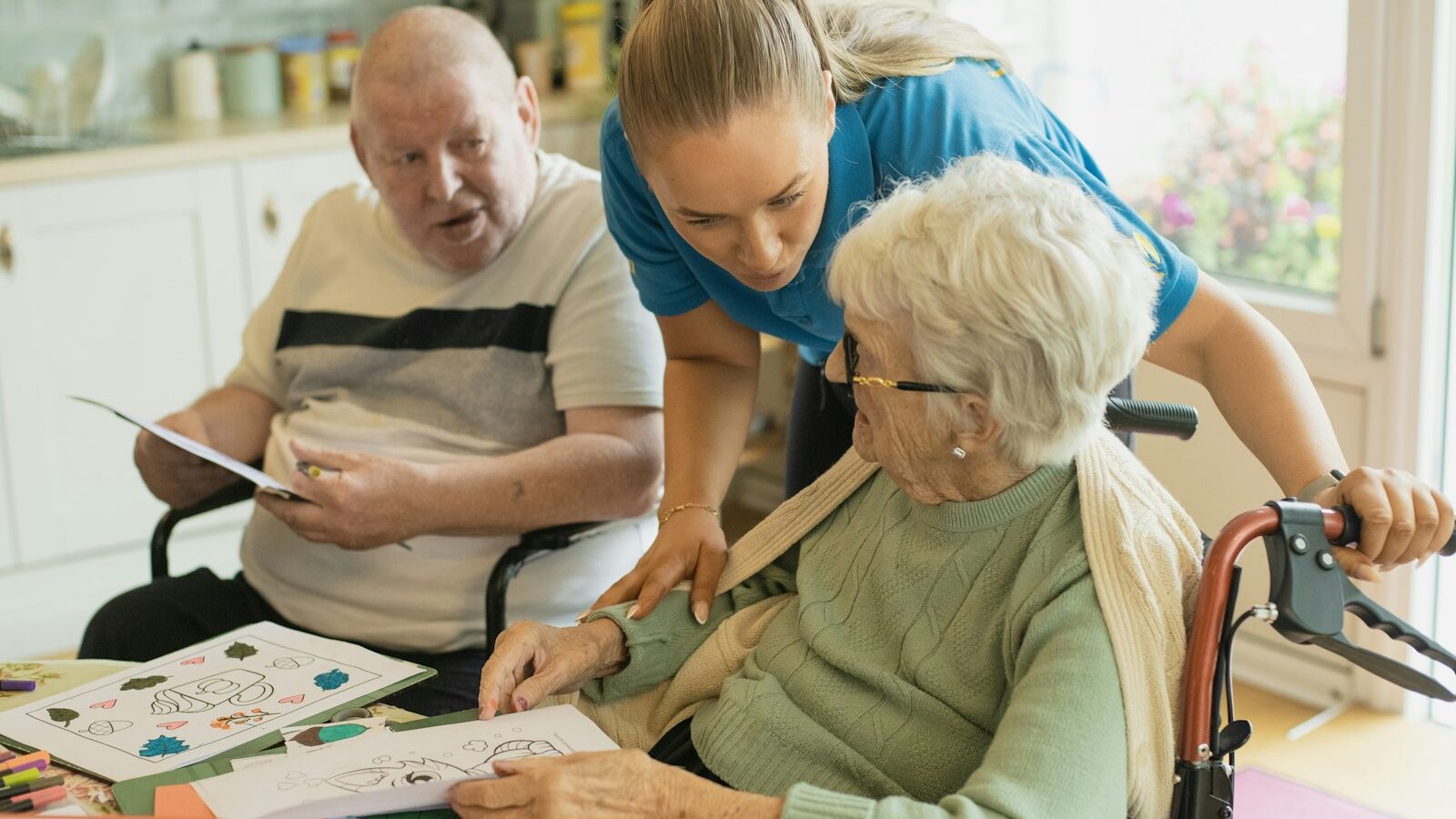
Caring for elderly family members is an important matter, and Singapore offers various care options and support. This guide covers the types of care available, considerations for families, and planning for elderly care. This is a general overview.
Elderly care in Singapore
Caring for elderly family members is an important and often significant matter for families, and Singapore offers various options and forms of support for elderly care, reflecting the needs of an ageing society. From care within the home and community-based support to more intensive care options, there is a range of elderly care available to suit different needs, circumstances and levels of support required. Families caring for elderly members, whether locals or those with elderly relatives, benefit from understanding the options and support available, and from planning for elderly care thoughtfully. Because specifics, availability, subsidies and details are set by providers and authorities, referring to official sources is helpful. Understanding elderly care in Singapore, that various care options and support are available for the important matter of caring for elderly family members, helps you approach it informed, so you can approach elderly care in Singapore by understanding that a range of options and support exists to suit different needs, from home and community-based care to more intensive options, benefiting families caring for elderly members, while relying on official sources and providers for the specifics, availability and any support or subsidies.
Types of care and support
| Type | Broadly |
|---|---|
| Care at home | Support and care in the home |
| Community-based care | Day and community support |
| Residential care | More intensive care settings |
| Support services | Assistance for caregivers and families |
Elderly care in Singapore encompasses various types of care and support to suit different needs. Care at home involves support and care provided in the elderly person’s own home, from family caregiving to hired help or home care services, suiting those who can remain at home with support. Community-based care, such as day care and community support services, offers care and activities while allowing the elderly to remain in the community. Residential care options provide more intensive care in dedicated settings for those needing greater support. And support services assist caregivers and families with the demands of elderly care. The appropriate type depends on the elderly person’s needs, health, circumstances and family situation. Because availability, options and specifics are set by providers and authorities, official sources help. Understanding the types of care and support, care at home, community-based care, residential care, and support services, helps you consider the options, so you can consider elderly care in Singapore across its range, from care at home and community-based support to residential care and caregiver support services, recognising that the appropriate type depends on the elderly person’s needs and circumstances, and relying on official sources and providers for availability and specifics.
Considerations for families
Choosing and arranging elderly care involves several considerations for families. The elderly person’s needs, health, level of care required, and preferences are central, as care should suit their circumstances and, where possible, respect their wishes and dignity. The family’s situation, including caregiving capacity, resources and circumstances, matters in determining suitable arrangements. Costs and any available support or subsidies are important considerations, as care can involve significant costs. The quality, suitability and availability of care options should be assessed. And the emotional and practical demands of elderly care on families and caregivers, and the wellbeing of both the elderly person and carers, warrant attention. Because these considerations are significant and personal, thoughtful planning and, where helpful, guidance are important. Understanding the considerations for families, the elderly person’s needs and wishes, the family’s situation, costs and support, quality and availability, and the demands on carers, helps you approach elderly care thoughtfully, so you can approach arranging elderly care by carefully considering the elderly person’s needs and dignity, your family’s situation and capacity, costs and available support, the quality and suitability of options, and the wellbeing of both the elderly person and caregivers, planning thoughtfully and seeking guidance for this significant, personal matter.
Planning for elderly care
Planning for elderly care thoughtfully and, where possible, in advance helps families navigate this important matter well. Consider the elderly person’s current and likely future care needs, and plan for appropriate care and support accordingly, ideally involving the elderly person in decisions and respecting their wishes and dignity where possible. Understand the options and support available, and the associated costs and any subsidies, using official sources and providers. Plan for the practical, financial and emotional aspects of elderly care, including support for caregivers. Being proactive and informed, rather than reactive, helps families provide good care and manage the demands. Where helpful, seek guidance and use available support and resources. Understanding the importance of planning for elderly care, thoughtfully and in advance, considering needs, options, costs and the demands on families, helps you approach it well, so you can plan for elderly care by considering the elderly person’s needs and wishes, understanding the options, support and costs via official sources, planning for the practical, financial and emotional aspects including caregiver support, and being proactive and informed, navigating this important, significant matter thoughtfully and with available guidance and support.
Caring with dignity and support
At the heart of elderly care is caring for elderly family members with dignity, compassion and appropriate support, while also supporting the caregivers and families involved. Ensuring the elderly person’s needs, wellbeing, comfort and dignity are met, respecting their wishes where possible, and providing appropriate, quality care are central. At the same time, elderly care can be demanding on caregivers and families, so supporting their wellbeing, and making use of available support services and resources, matters too. Approaching elderly care with compassion, respect and appropriate support for both the elderly person and carers reflects the care and responsibility the matter deserves. This human, supported approach is central to good elderly care. Understanding the importance of caring with dignity and support, for both the elderly person and caregivers, helps you approach elderly care humanely, so you can approach elderly care by prioritising the dignity, wellbeing and appropriate care of your elderly family members while also supporting the caregivers and family involved, making use of available support services and resources, and approaching this significant matter with the compassion, respect and support it deserves for everyone involved.
The takeaway
Caring for elderly family members is an important matter, and Singapore offers various elderly care options and support to suit different needs, from care at home and community-based support to residential care and caregiver support services. Choosing and arranging care involves considering the elderly person’s needs and dignity, the family’s situation and capacity, costs and available support, the quality and availability of options, and the demands on caregivers. Planning thoughtfully and, where possible, in advance, using official sources and available support, helps families navigate this significant matter well. At its heart, elderly care is about caring for elderly family members with dignity, compassion and appropriate support, while also supporting caregivers. This is a general overview; refer to official sources and providers for the specifics, availability and support that apply to your situation.
Explore more: Employing a domestic helper · Healthcare for newcomers in Singapore · Singapore healthcare guide