
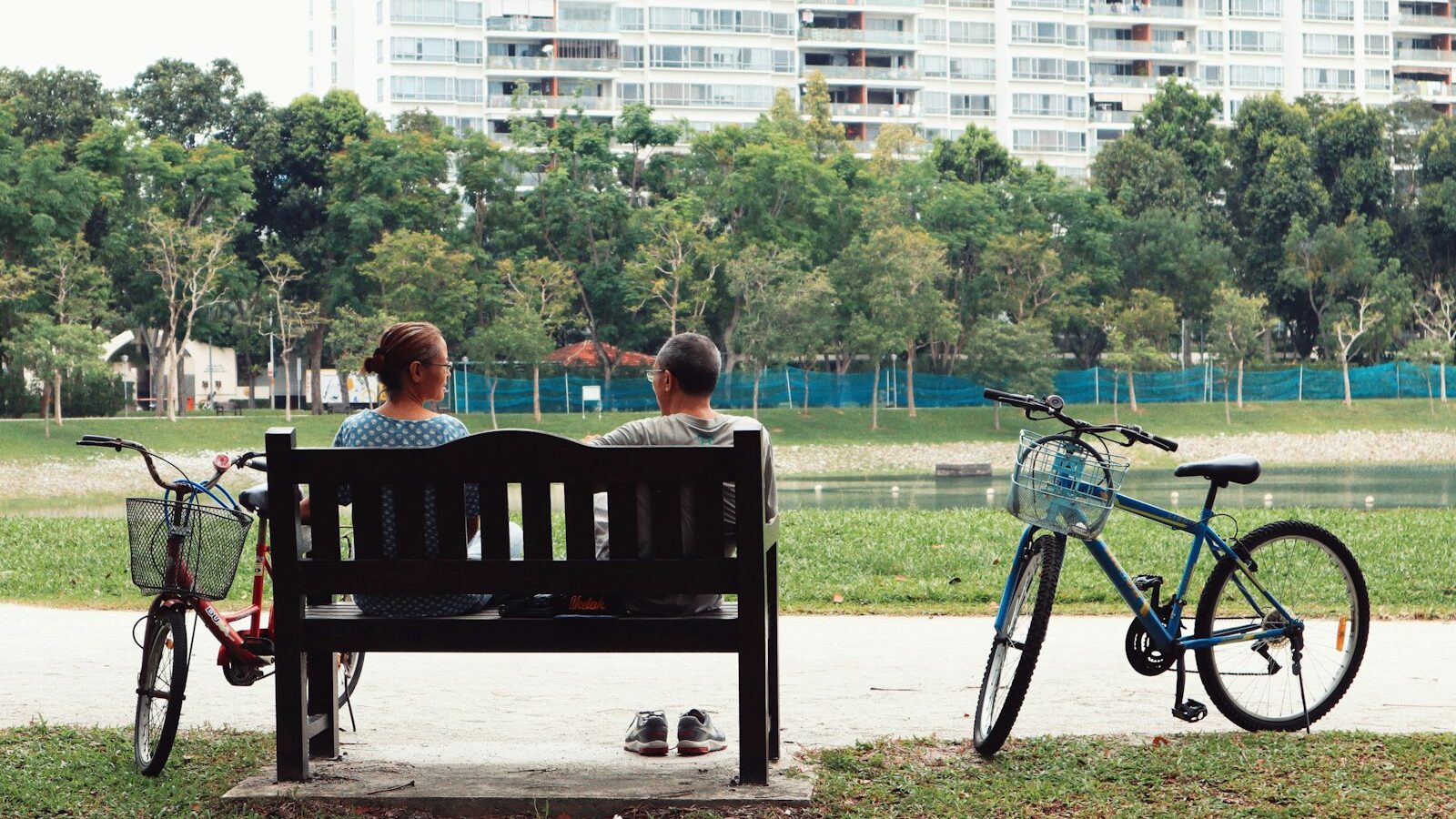
Regular physical activity is one of the most widely recommended habits for people living with type 2 diabetes. Muscles use glucose for fuel, and over time activity can help the body respond better to insulin. But to exercise with diabetes safely, you need to think about a few things that other people can ignore: when you work out relative to meals and medicine, how to recognise and handle low blood sugar, and how to protect your feet.
This guide focuses on those practical details. It is general information, not medical advice. Your doctor, polyclinic care team or diabetes nurse educator knows your medicines, blood sugar pattern and any complications, so speak to them before starting a new routine or making a big change in intensity. For the wider picture of diet and long-term care, see our guide to managing diabetes in Singapore.

Why Exercise Affects Blood Sugar the Way It Does
During activity, working muscles draw glucose from the blood. This effect can continue for hours after you stop, as muscles refill their energy stores. For many people with type 2 diabetes, that is helpful. The catch is that the drop can be larger than expected if you also take medicines that lower blood sugar, such as insulin or some tablets (sulphonylureas are a commonly cited example). Ask your doctor or pharmacist whether any of your medicines carry a higher risk of low blood sugar during or after exercise.
Very hard or short, intense efforts, such as heavy lifting or sprint intervals, can sometimes cause a temporary rise in blood sugar because of stress hormones. That is not necessarily a problem, but it explains why readings can surprise you. Checking before and after exercise, if your care team advises it, helps you learn your own pattern.
Timing Your Workouts Around Meals and Medicine
There is no single best time to exercise, but some patterns are worth discussing with your care team:
- After meals. Many people find a short walk after eating helps blunt the rise in blood sugar. A 10 to 15 minute stroll after dinner around your estate is an easy habit to build.
- Before meals or fasting. Exercising on an empty stomach, especially early in the morning, may raise the risk of low blood sugar if you are on insulin or certain tablets. Your doctor may suggest a small snack first or a different time.
- At peak medicine action. If you inject insulin, exercising when it is working hardest can push blood sugar down faster. Your care team can explain when that window is for your regimen.
- Late evening. Because blood sugar can keep falling for hours after exercise, very late workouts may raise the risk of a low overnight. If you exercise in the evening, ask whether you should check your level before bed.
During Ramadan, people who fast and have diabetes should speak to their doctor in advance about whether and when to exercise, as fasting changes the picture considerably.
If you have limited time, short bursts spread through the day also count. Our guide to exercise snacks and micro-workouts has ideas that fit around work and family.
Recognising and Handling Low Blood Sugar
Hypoglycaemia (low blood sugar) is the main short-term risk of exercising on blood-sugar-lowering medicine. Common warning signs include:
- Shakiness, trembling or a pounding heart
- Sweating more than the exercise explains
- Sudden hunger
- Dizziness, light-headedness or blurred vision
- Confusion, irritability or difficulty concentrating
In Singapore’s heat, some of these overlap with heat exhaustion or simply working hard, which is why it helps to stop and check rather than push on. If you feel any of them, stop exercising, check your blood sugar if you have a meter, and follow the plan your doctor or diabetes educator has given you. That plan usually involves taking a fast-acting sugar source and rechecking after a short wait. Ask your care team exactly what to carry and how much, as this depends on your treatment.
Practical habits that help:
- Carry fast-acting sugar in your bag or pocket on every walk, swim or gym session.
- Exercise with someone or tell someone your route, especially when starting out.
- Wear or carry identification that says you have diabetes, so others can help if you become unwell.
- Do not drive straight after a workout if you have had a low or feel unsteady.
Older adults can have less obvious warning signs. Our article on low blood sugar in older adults explains what family members should watch for. Seek urgent medical help if someone is confused, drowsy, unable to swallow safely or loses consciousness.
Protecting Your Feet During Exercise
Diabetes can reduce sensation in the feet (nerve damage) and slow healing (reduced circulation). A small blister that a person without diabetes would barely notice can become a serious wound. Foot care is therefore part of every workout, not an afterthought.
- Check your feet daily, and especially after exercise. Look for blisters, redness, cuts, swelling or changes in colour. Use a mirror or ask a family member if you cannot see the soles easily.
- Wear proper shoes and socks. Choose well-fitting, cushioned sports shoes with room for your toes, and moisture-wicking socks without thick seams. Break new shoes in gradually.
- Avoid going barefoot, including on pool decks, hot pavements and sandy beaches.
- Keep feet dry. Singapore’s humidity means sweaty feet. Dry carefully between the toes after exercise or a shower.
- Report problems early. Any wound that is not healing, or signs of infection, should be seen by a doctor or the polyclinic promptly. Many people with diabetes are offered regular foot screening; ask your care team when yours is due.
If you already have reduced sensation or a past foot ulcer, your doctor may suggest lower-impact activities such as swimming, cycling or seated exercises rather than long walks or jogging.
Choosing Activities: A Quick Comparison
| Activity type | Examples | Points to watch with diabetes |
|---|---|---|
| Moderate aerobic | Brisk walking, cycling, swimming | Good everyday option; check feet after long walks; carry sugar |
| Resistance training | Bodyweight moves, resistance bands, gym machines | Builds muscle that uses glucose; start light and learn good form |
| High-intensity intervals | Short fast efforts with rest | Can cause a temporary rise then a later drop; discuss with your doctor first |
| Flexibility and balance | Tai chi, yoga, stretching | Helps steadiness and fall prevention; gentle on joints and feet |
Many guidelines suggest a mix of aerobic activity and resistance work across the week, with fewer long sedentary stretches. Your doctor can tell you what is appropriate for your health, and whether any heart, eye or kidney concerns mean some activities should be avoided.
Exercising Safely in Singapore’s Climate
Heat and humidity add another layer. Dehydration can affect blood sugar readings and how you feel, and people with diabetes may be more vulnerable to heat stress.
- Exercise in the cooler early morning or evening, or indoors with air-conditioning or good ventilation.
- Drink water before, during and after activity. Choose plain water over sweetened drinks unless you are treating a low.
- Wear light, breathable clothing and a cap outdoors.
- Stop and rest in the shade if you feel unwell, then check your blood sugar.
Community options such as fitness corners in HDB estates, ActiveSG gyms and pools, and group walking or exercise sessions at community centres are convenient ways to stay active. If going out is hard, our guide on exercising in a small HDB flat shows what you can do at home.
Questions to Bring to Your Doctor or Care Team
Before you change your routine, it helps to ask:
- Do any of my medicines raise my risk of low blood sugar during or after exercise?
- Should I check my blood sugar before and after workouts, and what readings mean I should not start?
- What should I carry to treat a low, and how much?
- Are there activities I should avoid because of my eyes, heart, kidneys or feet?
- How often should my feet be screened?
With a plan agreed with your care team, a few simple habits and attention to your feet, exercise can become a steady and enjoyable part of living well with type 2 diabetes.
Official sources: HealthHub
Further reading: Exercise-Induced Asthma in Adults: Training Without Flare-Ups · Exercising Safely With High Blood Pressure · Cardiac Stress Tests and ECGs: Who Needs One Before Exercising