
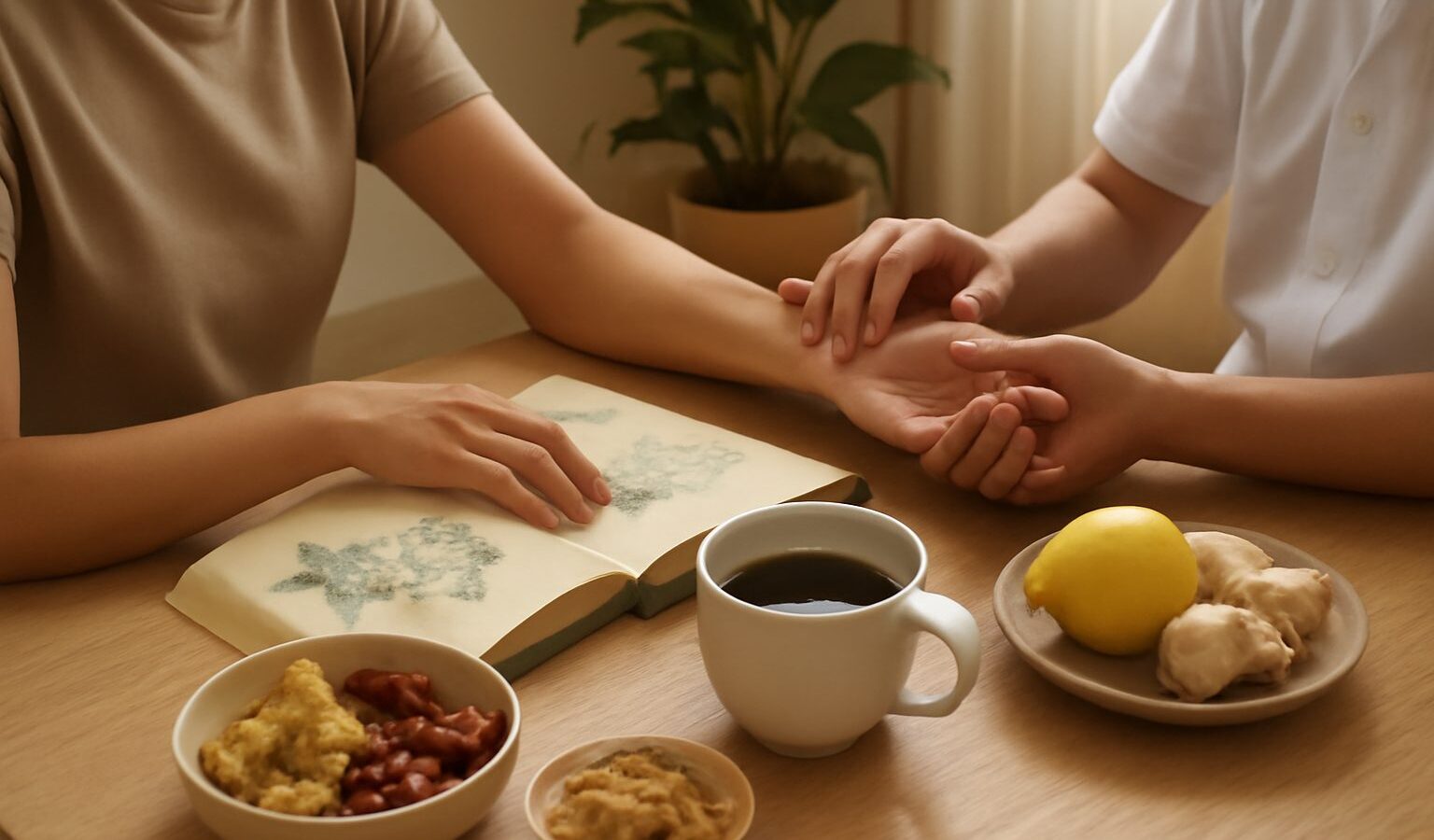
When you are unwell far from home, you often crave the treatments you grew up with, the herbal soup, the ointment, the familiar practitioner who just understands. For many newcomers, that includes traditional Chinese medicine and other remedies from home, and the comfort of these is real. The good news is that tcm in singapore is well established and widely available, sitting alongside conventional Western medicine in a way that many find reassuring. This guide is a gentle orientation to finding it, and to using it sensibly. It is general information only, not medical advice, so please rely on qualified professionals for anything to do with your health.
TCM has a long and recognised place here
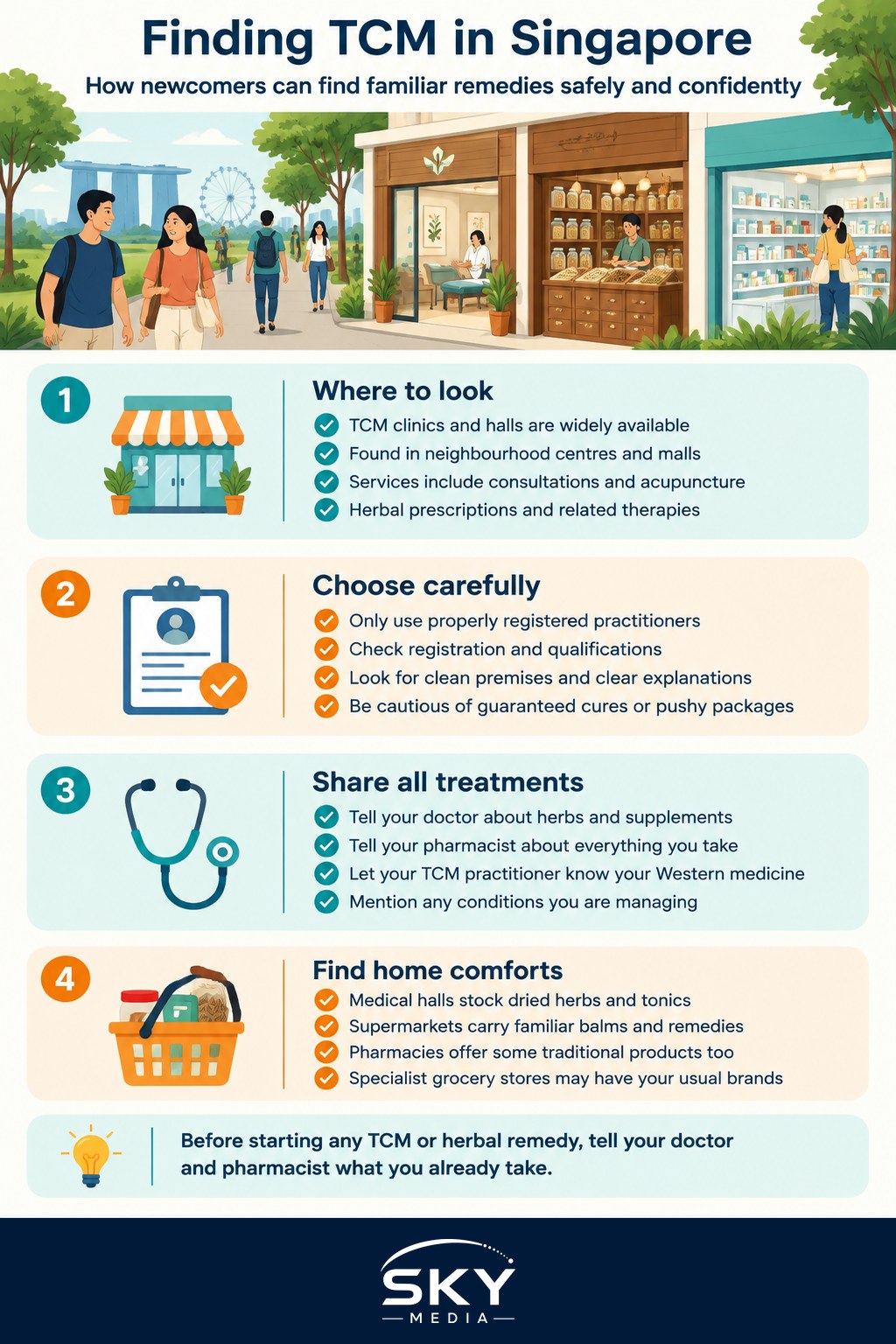
Singapore’s multicultural history means traditional medicine is part of everyday life, not a fringe pursuit. You will find TCM clinics and halls in neighbourhood centres and malls across the island, offering services such as consultations, acupuncture, herbal prescriptions and related therapies. For many communities these sit comfortably beside GP visits, and plenty of people use both.
Because it is so accessible, the important thing is to choose carefully rather than simply walking into the first place you see. Quality and training vary, as they do anywhere, so a little care in choosing a practitioner is well worth it.
Choose a registered practitioner
This is the single most important point in this guide. In Singapore, TCM practitioners such as acupuncturists and TCM physicians are subject to registration requirements. Always choose someone who is properly registered and qualified rather than relying on convenience or price alone.
A few practical steps:
- Ask about registration and qualifications. A reputable practitioner will be transparent about their credentials, and you can verify a practitioner’s registration status through the official regulator rather than taking it on trust.
- Look for clear, professional practice. Clean premises, proper hygiene for any acupuncture, clear explanations and honest expectations are all good signs.
- Be wary of extravagant claims. Anyone promising a guaranteed cure for a serious condition, or pushing expensive packages hard, deserves caution.
- Understand costs upfront. Ask what a consultation and any prescribed herbs will cost before you commit, so there are no surprises.
For the current rules on who is registered and how to check, the Ministry of Health and the Health Promotion Board are your authoritative sources.
Tell your doctor about everything you take
This point matters enough to stand on its own. If you use TCM, herbal remedies or supplements from home alongside conventional treatment, always tell your doctor and your pharmacist about all of it. Some herbs and remedies can interact with prescription medicines or affect conditions you are managing, and your healthcare providers can only keep you safe if they have the full picture.
The same goes in reverse: let your TCM practitioner know about any Western medication you take and any conditions you have. Good practitioners will ask. Treat your health as one connected whole rather than two separate worlds, and keep everyone informed. If you are ever seriously unwell, conventional emergency care is the right first call, and you can read our general overview of healthcare for newcomers to understand how the system fits together.
Finding familiar remedies and products
Beyond formal treatment, you may simply miss the everyday products from home, the medicated oils, balms, herbal teas and pantry staples that you reach for when you feel run down. Singapore is a wonderful place to find these.
- Medical halls and TCM shops stock a wide range of dried herbs, tonics and traditional preparations, and the staff can often advise on common items.
- Supermarkets and provision shops carry many familiar over-the-counter remedies, balms and health foods, especially in areas with the communities that use them.
- Pharmacies stock both conventional medicines and a selection of traditional and herbal products, with a pharmacist on hand for questions.
- Specialist and ethnic grocery stores are great for the specific brands and ingredients you grew up with. Our guide to finding familiar foods from home points you toward these too.
Do read labels, buy from reputable sellers, and be sensible about dosage and storage, just as you would at home.
Blending old comforts with local healthcare
Part of settling in is working out how your health habits from home fit into your new life here. Many newcomers land on a comfortable blend, a family GP or polyclinic for everyday and serious matters, and TCM or familiar remedies for the ailments and comforts they have always relied on. There is no single right answer, only what works for you and your family, kept safe by keeping your providers informed. A sensible first step is registering with a family clinic so you have a regular doctor who knows your history.
Finding the treatments and remedies that feel like home is a quietly powerful part of belonging somewhere new. Choose registered, qualified people, keep everyone in the loop, lean on the official sources for the details, and you can enjoy the best of both worlds with real peace of mind.
Frequently Asked Questions
Is TCM covered by insurance or CPF in Singapore? Coverage depends on your insurance plan and the type of treatment, and some plans exclude or limit TCM. Ask your insurer before booking. For questions about CPF use for healthcare, check the CPF Board’s official information.
Can I bring TCM herbs and medicines from home into Singapore? Some are allowed, but others may be restricted or require approval, especially products with controlled ingredients. Check with the Health Sciences Authority and ICA before you travel. Carry products in their original packaging with labels.
Is acupuncture safe? It is generally considered safe when done by a registered practitioner using sterile, single-use needles. Tell the practitioner about any health conditions, medication or pregnancy beforehand. Stop and report any severe pain, bleeding or signs of infection.
Can children or pregnant women take TCM herbs? Speak to a doctor first, because some ingredients are not suitable for children or during pregnancy. Dosage and safety differ from adults. Make sure any TCM practitioner knows about the pregnancy or the child’s age and health.
How do I know when to see a doctor rather than rely on TCM? See a doctor promptly for sudden or severe symptoms, high fever, chest pain, breathing difficulty or anything that is getting worse. Don’t delay conventional care for a serious condition. TCM can complement, but not replace, a medical diagnosis.
Further reading: Finding Singapore Equivalents of Common China OTC Medicines · Finding a Hairdresser and Everyday Services as a Newcomer · Finding a Dentist and Optician as a Newcomer