
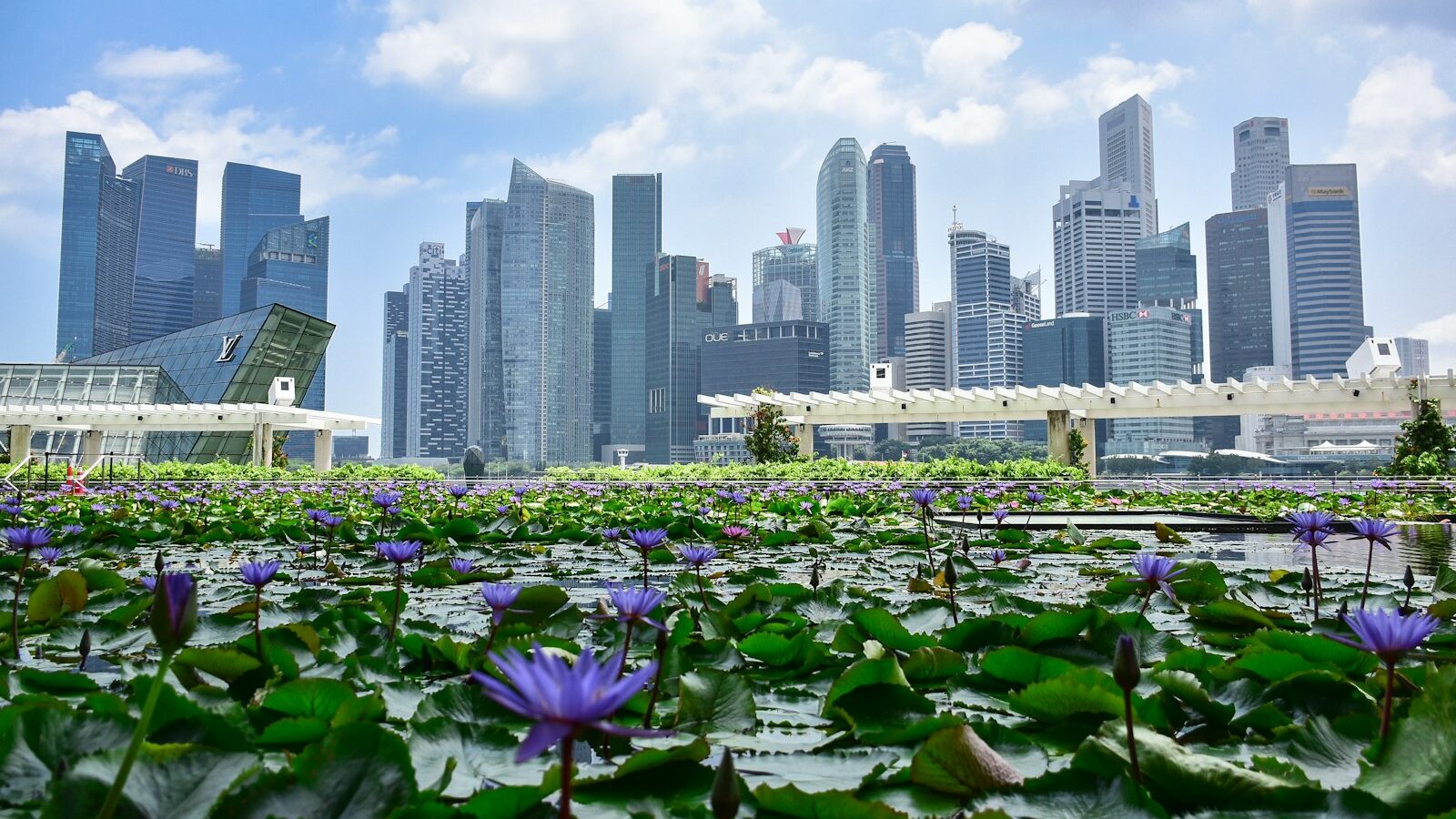
Growing your own food in a city of high-rise flats sounds unlikely, yet urban farming is quietly taking root across Singapore. On rooftops, in void decks, along corridors and on sunny balconies, residents are raising herbs, leafy greens and even the odd tomato. You do not need a landed garden or a green thumb to begin. You need a bit of light, a container or two, and a willingness to learn from the plants that live and the ones that do not.
This guide walks through what urban farming looks like in our climate, where to grow, what to plant first, and how to keep it realistic. The honest promise is not that you will feed your household from a balcony. It is that you will waste less, eat a little fresher, and feel more connected to what ends up on your plate.
Why Urban Farming Suits Singapore
Singapore imports the large majority of its food, and national efforts under the wider push for local food resilience have encouraged more growing on rooftops, in car parks and on unused land. Home growing is a small but genuine part of that picture. Every pot of basil you cut from is a pack you did not buy, transport home or throw out half-used.
The climate helps and hinders in equal measure. Constant warmth means many crops grow year round, with no frost to kill them off and no winter pause. The flip side is relentless heat, sudden downpours, and pests that never take a holiday. Success here is less about a single perfect season and more about steady, forgiving habits: watering in the cooler hours, shading tender plants at midday, and accepting that some leaves will always go to the caterpillars.
There is a social side too. Community gardens sit in the grounds of many HDB estates, and rooftop and skyrise growing spaces are increasingly built into new developments. For the greenery and cooling benefits of planting on roofs and walls more broadly, see our piece on skyrise greenery and green roofs.
Where You Can Grow
Your space decides your ambitions, so match the plan to the spot you actually have.
- HDB balcony or service yard. A few hours of direct sun is enough for herbs and some leafy greens. Use pots with drainage and stand them on trays so run-off does not stain a neighbour’s floor below.
- Corridor and window ledge. Bright but often without direct sun. Stick to shade-tolerant herbs like mint and to leafy greens that cope with partial light. Keep everything well inside the railing so nothing can fall.
- Community garden plot. Many estates run allotment-style gardens through grassroots groups. These give you ground space, shared tools and, best of all, neighbours who know what thrives locally.
- Rooftop and communal green space. Some blocks and workplaces have organised rooftop growing. These are managed spaces, so join through the official group rather than planting on any roof yourself.
Whatever the spot, one rule matters for all of us: manage water carefully. Never let containers or saucers hold stagnant water, because that is exactly where mosquitoes breed. Empty or cover any standing water and follow the current National Environment Agency guidance. Check your HDB and, for condominiums, MCST rules before you fix anything to walls, railings or shared structures.
What To Plant First
Start with plants that reward beginners quickly and shrug off mistakes. Fast wins build the habit; fussy crops break it.
- Herbs. Basil, mint, spring onion, laksa leaf and chilli padi are local kitchen staples that grow readily in pots. Spring onion in particular regrows from the root ends you would otherwise bin.
- Leafy greens. Kangkong, xiao bai cai, nai bai and other Asian greens grow fast and suit our heat far better than temperate lettuces.
- Climbers and fruiting plants, once you have the hang of it. Long beans, cherry tomatoes and chillies need more sun, feeding and patience, so treat them as the next step rather than the first.
Grow from seed for the widest choice and lowest cost, or buy young seedlings for a head start. Either way, use a decent potting mix rather than dug-up soil, feed occasionally, and pinch off herbs regularly so they bush out instead of running to flower.
Rooftop Garden or Balcony Pots: Which Fits You
Most home growers face a simple choice between a shared rooftop or ground plot and a private container garden at home. Neither is better; they suit different lives.
| Factor | Rooftop or community plot | Balcony or corridor pots |
|---|---|---|
| Space and yield | Larger area, room for more crops | Small, best for herbs and greens |
| Sunlight | Usually open and bright | Depends on which way you face |
| Convenience | A short walk, shared schedule | A few steps from the kitchen |
| Community | Neighbours, shared knowledge | Mostly a solo effort |
| Getting started | Join a group, may wait for a plot | Buy a few pots and begin today |
If you are impatient, start with pots this weekend and join a community plot later. The two go together well: the plot for space-hungry crops, the balcony for herbs you snip mid-cooking.
Keeping It Green and Realistic
Urban farming is only truly sustainable if the habits around it are. A few principles keep it that way.
Water wisely. Collect rainwater where you sensibly can and water in the early morning or evening to cut evaporation. For more on this, see our guide to water-saving in the garden.
Close the loop on scraps. Home composting turns vegetable peel and coffee grounds into free feed for your soil, which means less waste heading out and fewer bags of shop-bought compost coming in.
Welcome the wildlife. Flowering herbs draw pollinators, and a few of the right plants can invite butterflies to a balcony; our guide to starting a butterfly garden on your balcony shows how. Choosing local species also supports biodiversity, as our piece on gardening with native plants explains.
Be honest about the trade-offs. Pots, mixes and seeds cost money, and not every crop will thrive. Some harvests will be tiny and some plants will simply die. That is normal, not failure. The point is progress, not self-sufficiency.
Finally, let growing change how you shop and eat. Once you have watched a plant take weeks to produce a handful of leaves, you waste less of what you buy, and you look more kindly on the wonky vegetables that supermarkets reject. If a crop fails, apps and groups make it easy to rescue surplus food instead.
Growing Into the Habit
You do not need to become a farmer. Begin with one pot of something you actually cook with, put it where you will see it daily, and let curiosity do the rest. A single thriving plant teaches more than any guide, and it costs almost nothing to try. Over a few months, a balcony corner or a shared plot can quietly shift how you think about food, water and waste, one small harvest at a time.