
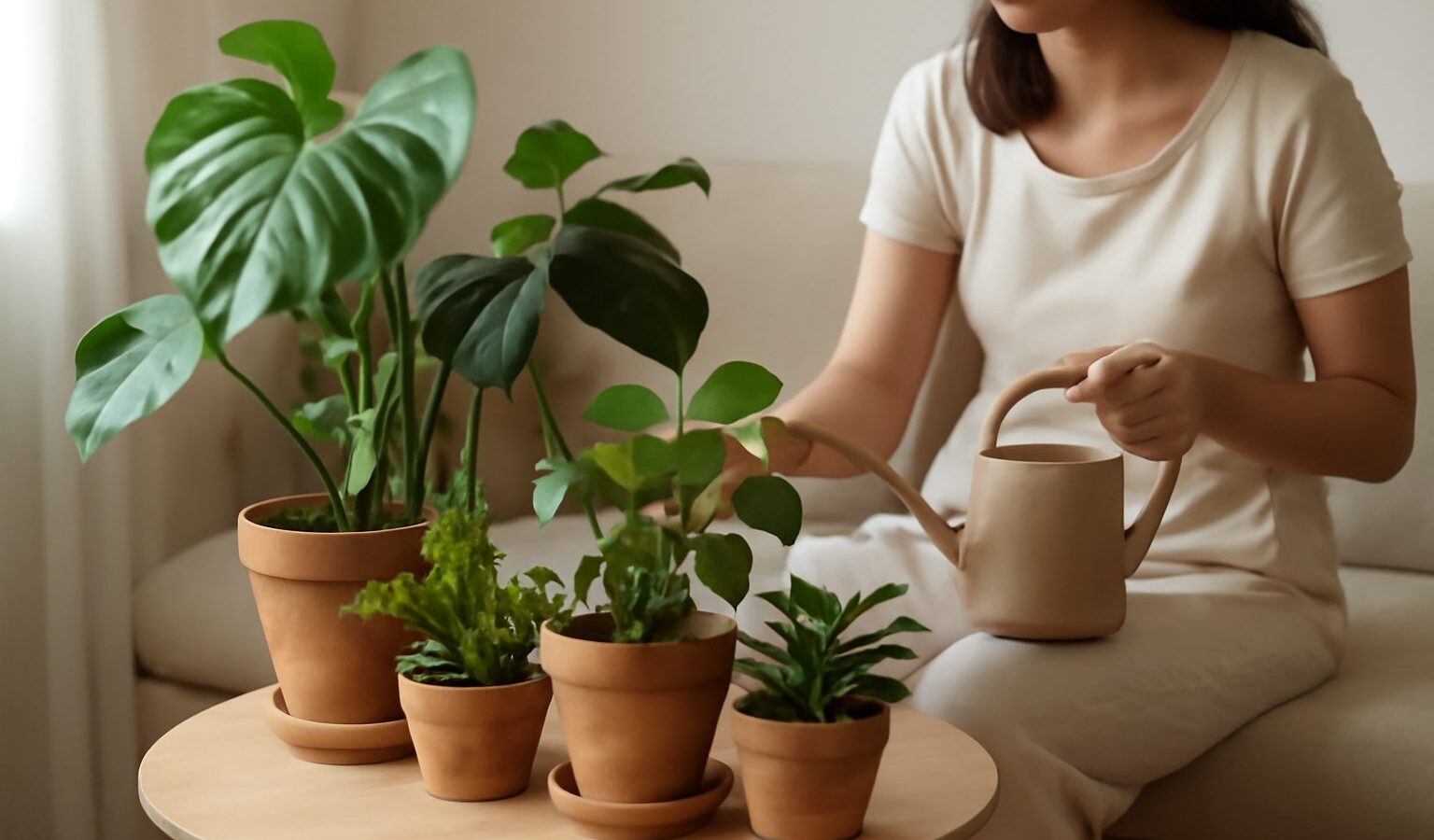
It seems a strange worry in Singapore, of all places, yet indoor plant humidity can drop surprisingly low the moment the air-conditioning goes on. Aircon strips moisture from the air to cool it, and thirsty tropical houseplants respond with crispy brown leaf tips and edges. The good news is that plants themselves are part of the cure. By grouping them thoughtfully and adding a few simple tricks, you can raise the humidity around your greenery without a single gadget. This guide shows how clustering plants creates a gentle, moist microclimate that keeps foliage lush.
Why Indoor Air Gets Too Dry
Outside, our climate is famously humid, often sitting well above sixty per cent. Step into an air-conditioned flat, though, and the picture changes. Cooling works by pulling water out of the air, so a room kept cold for hours can fall to a level that stresses moisture-loving plants like calatheas, ferns, and many aroids. The plant loses water from its leaves faster than its roots can replace it, and the tender leaf edges pay the price.
Fans and open windows add to the drying, moving air constantly across the leaves. The plants most affected are the delicate, thin-leaved tropicals that evolved under a rainforest canopy where the air is perpetually damp. Sturdy succulents and cacti, by contrast, actually prefer the drier air and will not thank you for extra moisture.
Recognising the signs helps. Brown, crispy tips, edges that curl inward, and buds that drop before opening all hint at air that is too dry for that particular plant, especially when the soil itself is adequately watered.
How Grouping Plants Raises Humidity
Every plant constantly releases water vapour from tiny pores in its leaves, a process called transpiration. A single plant loses that moisture to the wide, dry room and it simply disperses. Cluster several plants close together, however, and each one’s transpiration adds to the shared air between them, so the little pocket of space they occupy stays noticeably more humid than the rest of the room.
Think of it as plants sharing their breath. The taller specimens shade and shelter the smaller ones, air moves more slowly through the leafy huddle, and moisture lingers instead of drifting away. This is the same principle that keeps a rainforest floor damp, recreated in miniature on your shelf or plant corner.
The effect grows with numbers and closeness. Three or four plants nudged together do more than one lonely pot, and packing in extra foliage, tucking smaller plants at the feet of larger ones, tightens the microclimate further. Position the moisture lovers in the middle where humidity pools highest, and let the tougher plants ring the edges.
Simple Ways to Add Extra Moisture
Grouping alone helps, and a few easy additions push it further. A pebble tray is the classic: a shallow tray filled with pebbles and a little water, with pots resting on the stones above the waterline. As the water slowly evaporates it lifts the humidity right where the plants sit, without the roots ever standing in water.
Other gentle boosts work well in a flat:
- Cluster around a bathroom or kitchen window where everyday moisture already rises, giving thirsty plants a naturally damper spot.
- Choose a wide, shallow container of open water set among the pots, so a larger surface evaporates into the group.
- Keep plants away from the aircon draught and fan blast, which whisk humidity away faster than you can add it.
- Group in a corner or an alcove where still air lets moisture gather instead of dispersing across the room.
Misting is popular but overrated; the effect fades within minutes and, done to excess on still foliage, it can encourage leaf spots and mould in our warm rooms. Grouping and a pebble tray give a steadier result.
A Mosquito Caution for Standing Water
Here is the essential local warning. Any pebble tray, open water dish, or saucer that holds water is a potential breeding ground for Aedes mosquitoes, which spread dengue, and standing water is precisely what they seek. Never let water sit undisturbed. Change or empty the water at least weekly, keep the level below the tops of the pebbles so it cannot pool openly, and do not leave saucers filling under your pots. Scrub the tray when you refresh it, since eggs cling to the sides. Following current NEA and NParks guidance on preventing mosquito breeding matters for every household, and a humidity setup is no exception; treat these small water features as something to inspect and refresh on a fixed routine.
Which Plants Want Humidity, and Which Do Not
Grouping for moisture only helps if you cluster the right plants together. Putting a cactus in a humid huddle invites rot, so match the plant to the microclimate. The table below sorts common houseplants by what they prefer.
| Plant type | Humidity preference | Grouping advice |
|---|---|---|
| Calathea, maranta (prayer plants) | High, hates dry aircon air | Place in the moist centre of the group |
| Ferns and mosses | High, browns quickly when dry | Cluster tightly, add a pebble tray |
| Most aroids (monstera, philodendron) | Moderate to high, adaptable | Happy in or around the group |
| Peace lily | Moderate to high, tips brown when dry | Group with other moisture lovers |
| Succulents and cacti | Low, prefers dry, airy conditions | Keep separate, never in the humid cluster |
Keeping Your Grouped Plants Healthy
A tight group has one drawback: less air moves between the leaves, and stagnant damp air can invite fungal spots or mould, especially in our warmth. Balance moisture with a little airflow, leave small gaps so leaves are not permanently pressed together, and open a window periodically. Wipe dust from broad leaves so they breathe and photosynthesise well, and turn the group now and then so every plant gets its share of light.
Do watch for pests, which spread quickly between touching plants. Check new arrivals before adding them to the cluster, and if you spot trouble, start with the least-toxic response, wiping pests off, a firm water spray, or insecticidal soap, rather than reaching for anything harsh. A few of these plants, including peace lily and many aroids, are toxic if eaten and their sap can irritate skin, so keep them away from young children and pets and wear gloves when handling cut stems. If your group lives on a balcony, secure the pots against wind and follow your HDB, town council, or MCST rules. Cluster with care and your plants will reward you with softer, greener, healthier leaves.
Explore more
A humid, grouped corner is the heart of a lush display, so pair this with creating an indoor jungle for layering ideas and styling plants in your home to make it look intentional. If you would rather skip soggy soil altogether, growing plants in LECA and semi-hydro is a tidy, low-mess companion method.