
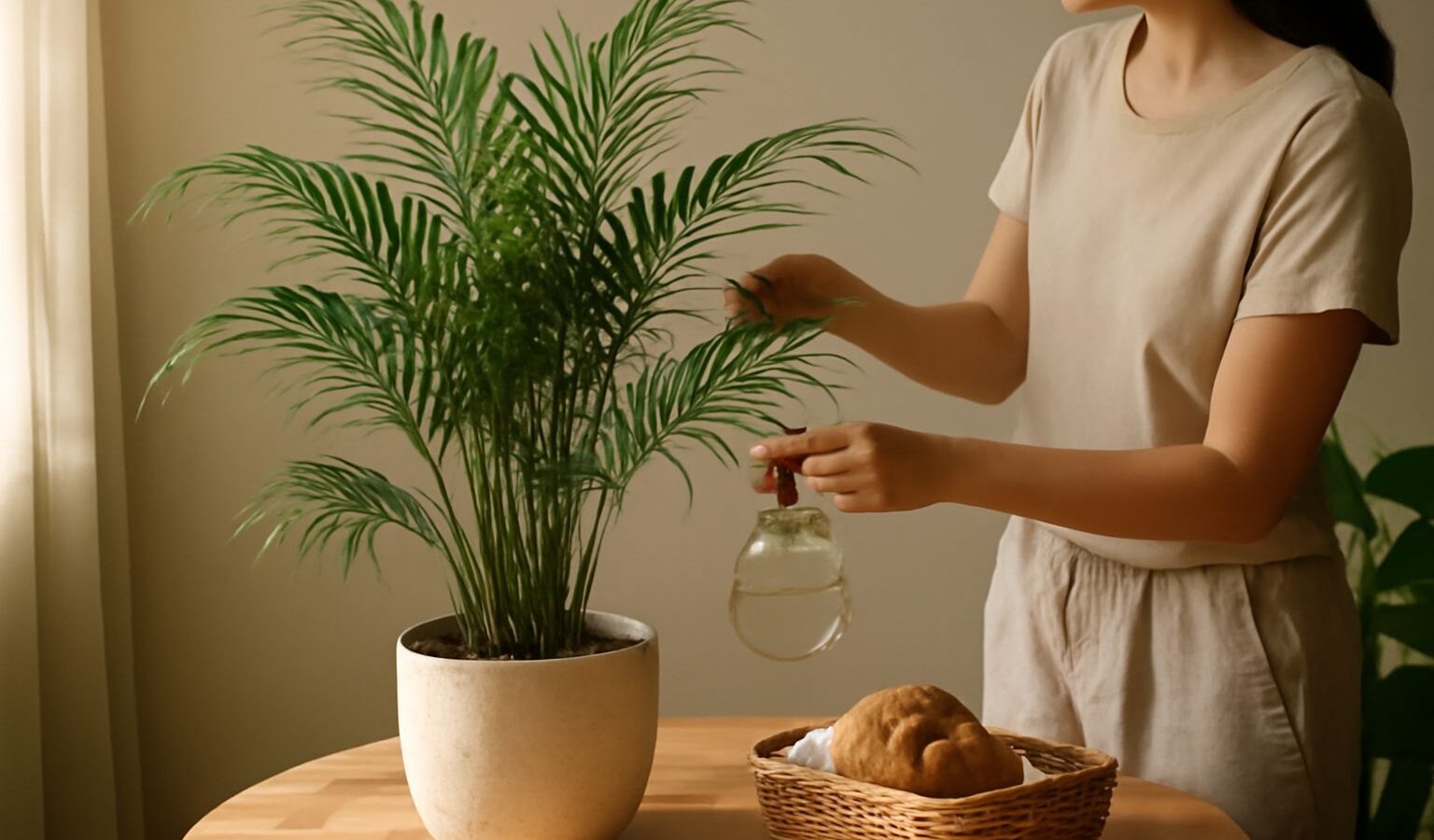
Few plants say relaxed, tropical home quite like a palm, and indoor palms are one of the quickest ways to soften a hard-edged flat with lush, arching greenery. The good news is that Singapore’s warmth suits them beautifully; the challenge is fitting them into limited space and coping with the drying effect of aircon. With the right type and a simple routine, a palm will thrive in a living room corner, brighten a balcony, or screen an awkward gap between furniture for years.
This guide focuses on the palms that genuinely do well indoors here, plus the light, water, humidity and feeding they need. Start with an easy variety, watch how it responds, and you will find palms far less fussy than their elegant looks suggest.
The Easiest Indoor Palms For Local Homes
Not every palm enjoys life in a pot indoors, so choosing well saves a lot of trouble. The parlour palm is a classic beginner’s choice: compact, slow, and happy in medium light, which makes it perfect for a shelf or side table. The areca palm, sometimes called the butterfly palm, gives that full, feathery look and grows taller, ideal for filling a floor corner, though it wants brighter light and steady moisture.
For something more upright and architectural, the kentia palm is tough, tolerant of lower light, and forgiving of the occasional missed watering, which suits busy households. The lady palm, with its fan-shaped fronds, is another sturdy, shade-tolerant option that stays neat in a pot. If you have a bright, humid bathroom, the small, delicate look of a bamboo palm works well too. Whichever you pick, buy a healthy plant with firm green fronds and no browning centres, and give it a couple of weeks to settle before judging it.
Light, Placement And Airflow
Most indoor palms prefer bright, indirect light rather than direct sun. A spot near a window that gets plenty of daylight but no harsh midday blast is ideal. Our tropical sun is strong, so a palm pressed against unshaded glass can develop scorched, yellow-brown patches; filter the light with a sheer curtain if the sun lands directly on the fronds. That said, low-light tolerant types like the parlour, kentia and lady palm will cope in a shadier corner, simply growing more slowly.
Placement matters as much as light. Keep palms out of the direct draught of an aircon vent or a fan, because constant dry, moving air is the fastest route to crispy frond tips. Turn the pot a quarter every couple of weeks so the plant grows evenly rather than reaching towards the window. On a balcony, position the palm where it gets bright shade and shelter from the strongest sun and the driving rain of a monsoon downpour, and secure tall pots against wind so they cannot topple or blow over onto a neighbour below.
Watering, Humidity And Feeding
Palms like their soil kept lightly and evenly moist, not soggy and never bone dry. Water thoroughly when the top two to three centimetres of mix feels dry, letting it run from the drainage holes, then tip away whatever collects in the saucer. Do not leave water standing in the saucer, both because palm roots rot in stagnant wet and because any pool of standing water in Singapore can breed Aedes mosquitoes. Empty saucers promptly, refresh any water at least weekly, and follow current NParks and NEA guidance to keep mosquitoes from breeding.
Humidity is where indoor palms struggle most, since aircon strips moisture from the air and leaves fronds browning at the tips. Group your palms with other plants to pool humidity, stand the pot on a tray of damp pebbles kept topped up, or mist the fronds occasionally in the morning. Brown tips are largely cosmetic; trim just the dead portion following the frond’s natural shape and leave the green. Feed lightly during the brighter months with a balanced liquid fertiliser at half the label strength, roughly once a month, and ease off if growth slows, as palms are sensitive to a build-up of fertiliser salts. Use a free-draining potting mix loosened with perlite or bark, and repot only every couple of years when roots crowd the pot, since palms dislike frequent disturbance.
Matching A Palm To Your Space
Because palms vary a lot in size and light needs, it helps to match the plant to the exact spot you have in mind before you buy. The comparison below sums up the most reliable indoor palms for local homes.
| Palm | Size indoors | Light it likes | Watering rhythm | Best for |
|---|---|---|---|---|
| Parlour palm | Small, slow | Medium to low, indirect | Keep lightly moist | Shelves, tabletops, small nooks |
| Areca palm | Tall, bushy | Bright indirect | Even moisture, never dry | Filling a floor corner |
| Kentia palm | Tall, upright | Bright to medium | Let top dry slightly | Statement plant, busy homes |
| Lady palm | Medium, clumping | Low to medium | Keep lightly moist | Shady corners, corridors |
Start with whichever palm suits your light and patience, then add a second once you have the routine down. A single well-placed palm often does more for a room than several struggling ones crammed into a dim spot.
Solving Common Palm Problems
Browning frond tips are the most common complaint and usually mean dry air, under-watering, or a salt build-up from over-feeding; raise the humidity, steady your watering, and flush the pot occasionally with plain water. Yellowing whole fronds, especially the oldest lower ones, can be natural ageing, but widespread yellowing with wet soil points to overwatering, so let the mix dry a little more between drinks and check the drainage. Pale, bleached patches mean too much direct sun, so move the plant back from the glass.
Dry indoor air also invites pests such as spider mites, scale and mealybugs, which hide on the undersides of fronds. Check regularly, wipe them off, rinse the plant, and treat stubborn cases with insecticidal soap or neem, following the product label exactly and keeping it away from children, pets and any food crops. A quick word on safety: most true palms are considered non-toxic and pet-friendlier than many houseplants, but the misnamed sago palm is not a true palm and is highly poisonous, so avoid it around children and pets. As always, do not let anyone eat ornamental foliage. Follow HDB, town council and MCST rules for any balcony or corridor palm, and keep pots secured and runoff off your neighbours. Give a palm bright shade, even moisture and humid air, and it will bring a soft, leafy calm to your home for many years.
Explore more
Once you have a palm settled in, keep the momentum going with our guide to creating an indoor jungle and the humidity-loving groupings in grouping plants to boost humidity. For a sturdy, upright companion that shares similar care, see our tips on caring for dracaena and corn plants.