
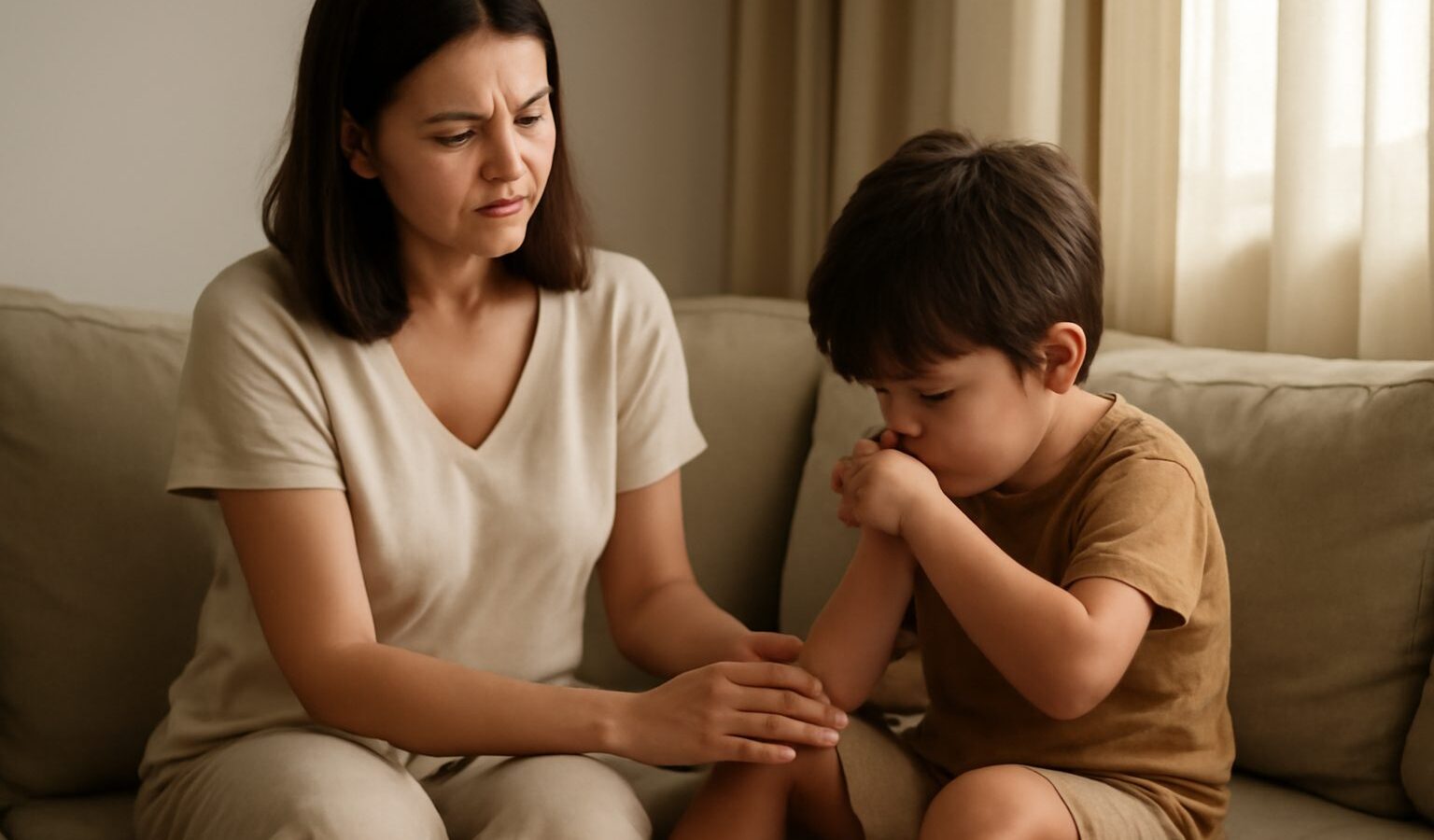
The first time your toddler sinks their teeth into a friend, or swings a hand at Popo, your stomach drops. It is one of the most alarming and embarrassing moments of the early years, and it can leave you wondering what you have done wrong. Here is the reassuring truth: toddler biting and hitting in Singapore is extremely common, almost always a passing phase, and rarely a sign of a mean child or a failing parent. Little ones have big feelings and very few words, so their bodies do the talking. This calm guide explains why it happens, how to respond in the moment, and gentle ways to teach your child kinder hands over time.
One honest note first. This is general information for parents, not medical advice, and every child is different. If aggression is extreme or persistent, please speak to your doctor.
Why Toddlers Bite and Hit
Biting and hitting look shocking to adults, but to a toddler they are simply tools that get a fast, powerful result. A child who cannot yet say “I am angry” or “I was here first” reaches for the most direct thing they can do, and a bite or a shove ends an argument instantly. It is not planned cruelty. It is a very young brain with a fully grown feeling and no words to carry it.
There are usually a few drivers behind it. Frustration is the biggest, especially over a toy or a turn. Teething toddlers bite to relieve sore gums, and younger ones may bite purely to explore with their mouth. Overwhelm plays a huge part too, so an overtired, hungry, or overstimulated child in a busy indoor playground has a very short fuse. Some toddlers hit when they are overexcited rather than upset, and others do it to see what happens, testing cause and effect the way they test everything else. Understanding the trigger behind your child’s biting or hitting is the first step to helping it fade.
What to Do in the Moment
Your response in the first few seconds matters more than any lecture later. Stay calm, even though your instinct is to gasp, because a big reaction can accidentally reward the behaviour with drama and attention. The golden rule sits at the heart of this: never bite or hit back to “show them how it feels”. It frightens a toddler, teaches that big people hurt little people, and models the very thing you want to stop.
Instead, work through these steps calmly:
- Attend to the hurt child first. Turn your warmth and comfort to whoever was bitten or hit. This quietly shows that hurting does not win your attention.
- Get down and be clear and brief. Look your toddler in the eye and say firmly but kindly, “No biting. Biting hurts.” Keep it to a few words, because long explanations wash over an upset toddler.
- Name the feeling behind it. “You were cross that she took the car” tells your child you understand what drove it, which lowers the heat.
- Redirect to something safe. Offer a teether for a biter, or guide little hands to a gentler action, and move on to a fresh activity rather than dwelling.
- Stay consistent every single time. The same calm, boring response on repeat is what teaches the lesson, far more than any one dramatic moment.
Avoid shaming, labelling your child as “naughty”, or launching into a long telling-off. Short, steady, and repeated is what works.
Calm Ways to Respond Versus What to Avoid
It helps to see the gentle approach side by side with the reactions that tend to backfire. Every family is different, so take what fits your child.
| Situation | A calm response that helps | What to avoid |
|---|---|---|
| Your toddler bites a friend | Comfort the friend, say “No biting, it hurts”, redirect | Biting back, shouting, a long lecture |
| Hitting out of frustration | Name the feeling, offer words, guide to gentle hands | Hitting back, calling them naughty |
| Biting while teething | Offer a cold teether or safe chew toy | Ignoring the sore gums driving it |
| Hitting for excitement | Redirect energy to jumping, dancing, big play | Laughing, which encourages a repeat |
| Repeated hitting at home | Stay consistent, watch for triggers, keep calm | Giving in for peace, then punishing later |
Consistency across everyone who cares for your child matters too. Share your simple phrases with grandparents and your helper so your toddler hears one steady message all day, not mixed signals that keep the behaviour alive.
Preventing the Next Bite or Hit
Much of the work happens before the moment, by shrinking the triggers. Watch for the times your child struggles most, often when tired, hungry, or overwhelmed, and plan around them. A snack before a playdate, an earlier nap, or a quieter corner at a crowded party can prevent the flashpoint entirely. Our steady daily rhythm helps here, and our guide on building a toddler daily routine covers how predictability soothes big feelings.
Giving your toddler words is the long game. Coach simple phrases they can reach for instead of teeth or fists: “mine”, “my turn”, “stop”, or “help”. The more language a toddler has, the less they need to hit, so anything that builds their speech pays off. Our guide on encouraging toddler speech and language has gentle ways to grow those words.
Praise the good moments too. When your child asks for a turn instead of grabbing, or pats gently instead of hitting, notice it warmly and specifically: “You used your words, that was so kind.” Toddlers repeat what earns your happy attention. Teaching gentle hands through practice, like softly stroking a soft toy together, gives them something to do instead of hitting, which is far easier than simply telling them to stop.
When to Seek Extra Support
For the vast majority of toddlers, biting and hitting fade as words and self-control grow, usually well before school age. It is a phase to guide calmly, not a crisis. That said, you know your child best, and some situations deserve a professional’s reassurance.
Consider speaking to your doctor, a paediatrician, or KKH if the aggression is intense and frequent, if it is not easing at all as your child gets older, if your child often hurts themselves or seems constantly angry, or if you simply feel out of your depth and worn down. Asking for help is a sign of a caring, thoughtful parent, never a failure, and an early chat can bring both practical strategies and real peace of mind.
Above all, be kind to yourself through this messy stage. A biting or hitting phase does not mean you have raised an aggressive child or done anything wrong. It means your little one is learning, with your patient help, how to handle feelings that are far bigger than they are. Steady, gentle, and consistent will carry you both through.
Explore more
Rough moments often spring from the same big feelings, so our guide on managing toddler meltdowns in public pairs well with this one. Since frustration over toys is a common trigger, see teaching toddlers to share, and to give your child the words that replace teeth and fists, read encouraging toddler speech and language.