
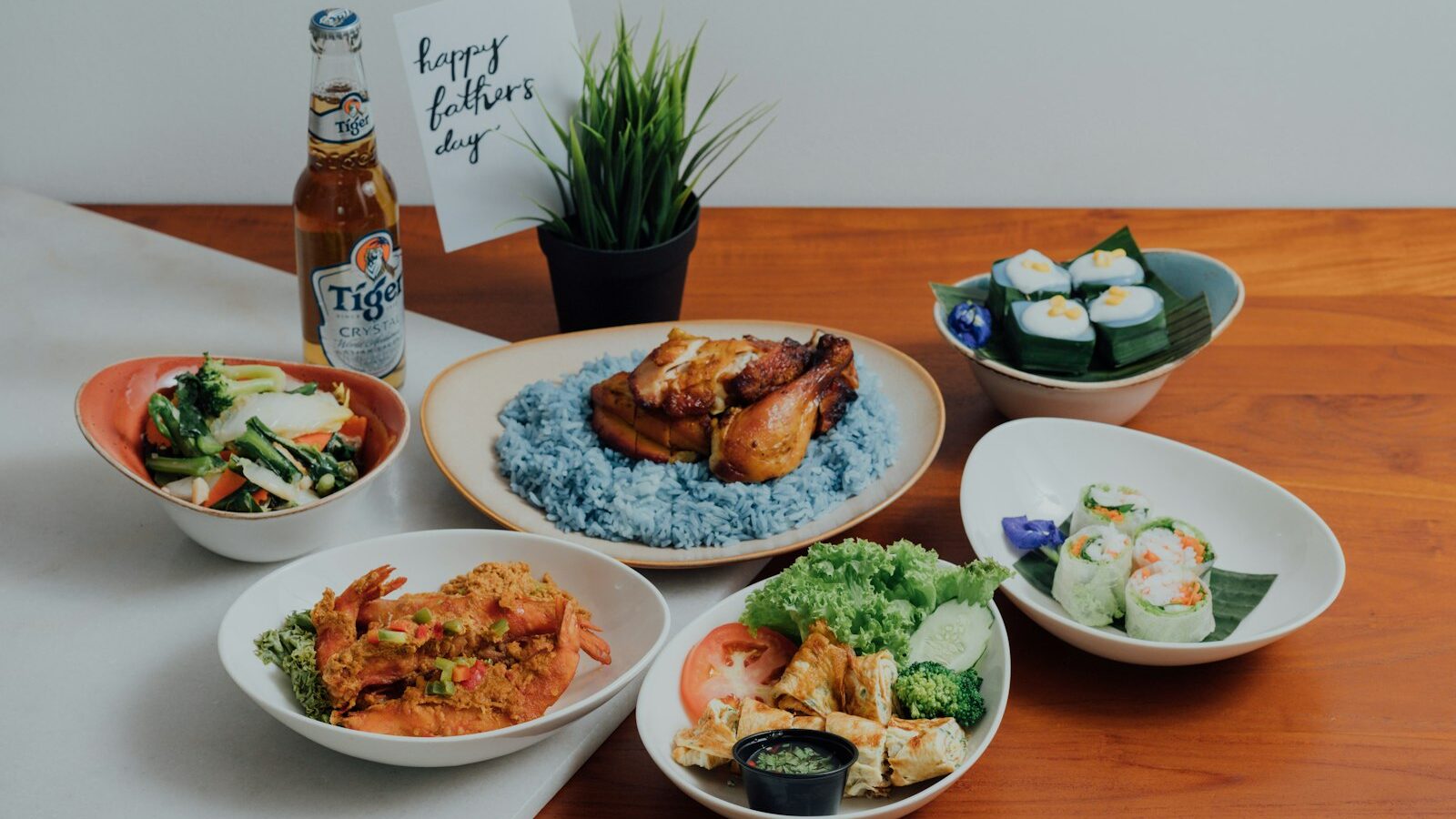
Hari Raya is a joyous celebration for the Malay-Muslim community, marking the end of the fasting month, and food is central to the festivities. Tables laden with rendang, ketupat, lemang and an array of treats welcome family and guests. This guide explores the festive foods of Hari Raya and the warm spirit of the celebration.
The celebration and its food
Hari Raya Puasa, also known as Hari Raya Aidilfitri, marks the end of Ramadan, the month of fasting, and is a time of joy, gratitude, forgiveness and togetherness. After a month of fasting, the celebration is naturally centred on food, with families preparing feasts to share with relatives, friends and visitors. The spirit of open houses, where homes welcome guests to share in the festivities and food, is central to the celebration. Preparing and sharing these festive dishes is an expression of hospitality, community and joy, making food an essential part of the Hari Raya experience.
The signature dishes
Hari Raya tables feature beloved dishes, many reserved for or associated with the festive season.
- Ketupat, rice cakes cooked in woven palm-leaf pouches, a festive icon often served with other dishes.
- Rendang, the rich, slow-cooked meat in coconut and spices, a celebratory centrepiece.
- Lemang, glutinous rice cooked in bamboo with coconut milk, a special-occasion treat.
- Sayur lodeh and sambal goreng, flavourful vegetable and mixed dishes.
- Satay, grilled skewers, popular at gatherings.
Together these create a festive spread that is rich, varied and deeply satisfying, meant for sharing generously.
Ketupat and lemang
Two dishes especially symbolise Hari Raya. Ketupat, rice compressed and cooked in a woven casing, is an emblem of the celebration, its distinctive diamond shape appearing in festive decorations as well as on the table. It is typically enjoyed with rich dishes like rendang, the plain rice cake balancing the intense flavours. Lemang, glutinous rice cooked with coconut milk in hollow bamboo lined with banana leaf over a fire, is a labour-intensive special-occasion food, prized for its rich, subtly smoky flavour. Both represent the effort and tradition that go into festive cooking, and both pair beautifully with rendang and other dishes.
The sweet treats
| Treat | What it is |
|---|---|
| Kueh and cookies | An array of festive sweets and biscuits |
| Pineapple tarts | Buttery pastry with pineapple jam, popular festively |
| Traditional kueh | Colourful bites enjoyed during visits |
| Sweet snacks | Assorted treats to offer guests |
As with other festivals, a spread of sweet treats and cookies is laid out to welcome guests, and offering these is part of the hospitality that defines the season. Homes fill with jars and platters of goodies for visitors to enjoy.
The spirit of open houses
The open house tradition is at the heart of Hari Raya, where families welcome a stream of visitors, relatives, friends, neighbours and colleagues, to share food and festive cheer. This warm, inclusive spirit means that Hari Raya food is shared widely, and it is common for people of all backgrounds to be invited to partake. The generosity and hospitality on display, with tables continually replenished and guests urged to eat well, embody the joy and togetherness of the celebration. It is a beautiful expression of community, and the food is the medium through which that warmth flows.
How to enjoy it
- Savour the rendang, a rich festive highlight.
- Pair ketupat or lemang with the flavourful dishes.
- Enjoy the sweet treats, offered generously to guests.
- Embrace the open house spirit, if invited to share in the celebration.
- Appreciate the effort, since many dishes are labour-intensive festive specialties.
Where to experience it
Hari Raya food is most authentically experienced in homes during the festive season, through the open house tradition, but the dishes are also available at Malay eateries, hawker stalls and festive bazaars. The Ramadan bazaars leading up to the celebration are particularly vibrant, offering a huge array of festive food and treats. Areas with a strong Malay community presence come alive during the season. Whether shared in a home or sampled at a bazaar, Hari Raya food offers a delicious and heartfelt taste of Malay-Muslim culture and hospitality.
The takeaway
Hari Raya food is a joyful celebration of togetherness, hospitality and rich flavour, marking the end of the fasting month with feasts of rendang, ketupat, lemang and an abundance of sweet treats. Central to it all is the warm spirit of open houses, where food is shared generously with family, friends and visitors of all backgrounds. Savour the festive dishes, appreciate the effort and tradition behind them, and embrace the inclusive, celebratory spirit. In its food and its hospitality, Hari Raya offers one of the most heartfelt and delicious celebrations in Singapore’s multicultural calendar.
Open house etiquette for guests
If you are lucky enough to be invited to a Hari Raya open house, a little thoughtfulness goes a long way, especially if you are not from a Malay-Muslim background. There is no need to feel awkward, as hosts are genuinely delighted to share their food and culture, but knowing a few unspoken customs helps you enjoy the visit and honour your host.
- You do not need to bring a big gift. Guests are the ones being treated, so anything you bring is a bonus rather than an expectation. If you would like to, a box of cookies, some fruit or a small token for the children is warmly received. If you bring food to share, keep it halal so everyone at the gathering can enjoy it.
- Dress modestly and respectfully. Smart, covered clothing suits the occasion, and you may be asked to remove your shoes at the door, which is standard practice in most Malay homes.
- Pace yourself across visits. Many people hop between several open houses in a day, so it is perfectly acceptable to eat a little at each rather than a full meal at the first. Accepting at least a taste, however, is a lovely way to show appreciation.
- Greet warmly and stay a while. A friendly “Selamat Hari Raya” and some conversation matter as much as the food. The visit is about togetherness, not just the spread on the table.
Above all, relax and follow your host’s lead. Their hospitality is offered freely, and simply turning up with an open heart and a good appetite is the finest compliment you can pay.
Beyond the mains: drinks, sides and mindful feasting
While rendang and ketupat rightly take the spotlight, the full Hari Raya table has plenty of supporting players worth seeking out. Sweet, brightly coloured drinks such as sirap bandung, made with rose syrup and milk, and cooling barley or fruit cordials are common alongside the food, offering a refreshing counterpoint to the rich, spiced dishes. Pickled vegetables like acar, with their sharp, tangy crunch, and a fiery sambal belacan on the side cut through the heaviness of coconut-based curries and keep each mouthful lively.
With so much on offer over several days of visiting, a few practical habits help you enjoy the season without regret. Start with smaller portions so you can sample more dishes, and lean on the fresh sides and lighter fare between the richer plates. If you are managing your diet, most festive foods are generous with coconut milk, sugar and salt, so balance is worth keeping in mind, and for specific health concerns it is always sensible to check with a doctor or refer to guidance from the Health Promotion Board. None of this means holding back on the joy of the table. It simply means you can keep going from one open house to the next, savouring the flavours and the company right through the celebration.
Explore more: Hari Raya in Singapore · Nasi padang: a guide to the spread · Satay guide in Singapore