
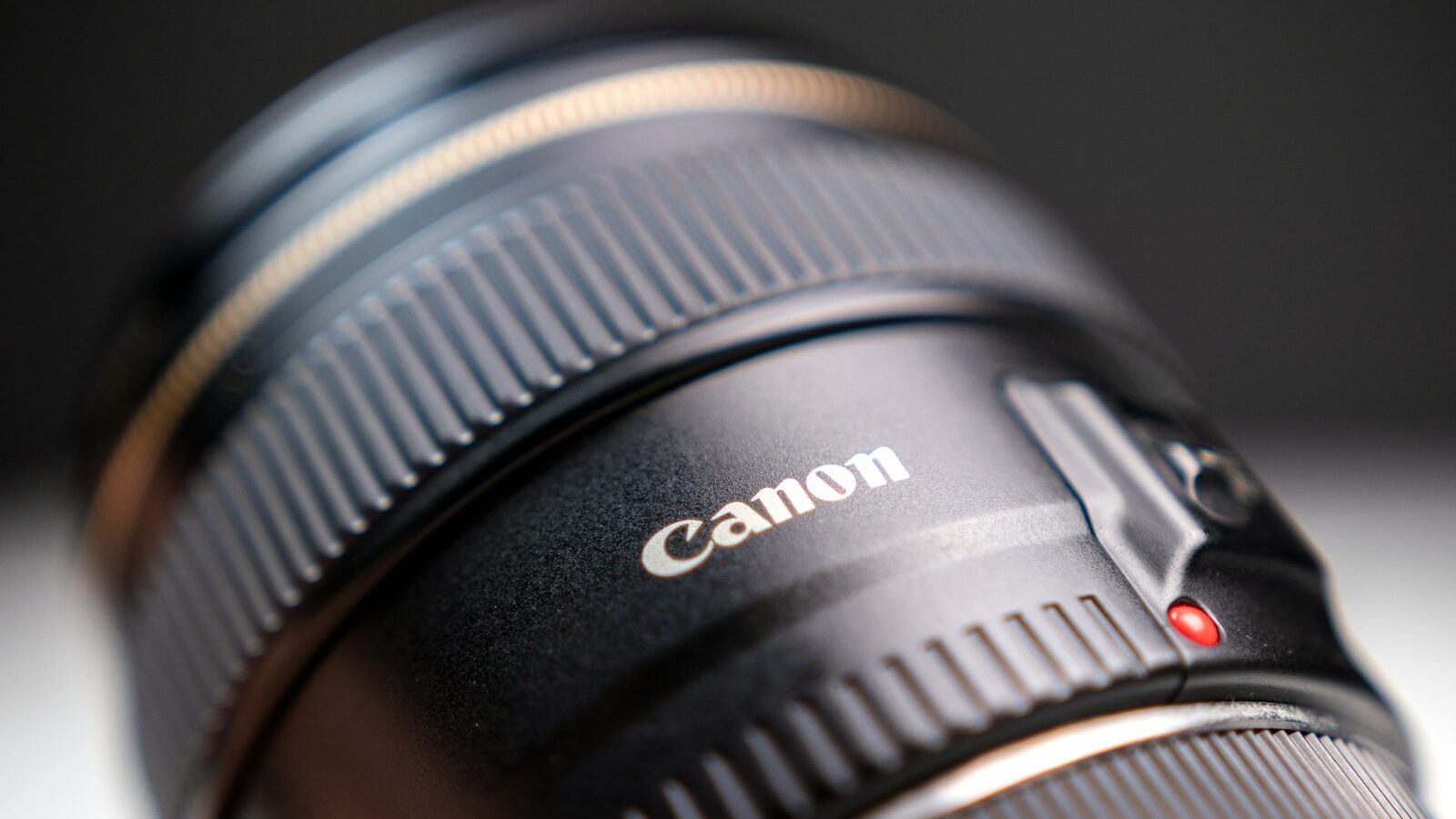
A 50mm lens is often the first prime that photographers buy, and for good reason. Frequently nicknamed the nifty fifty, it offers a natural field of view, a bright aperture and lovely background blur, usually at a friendly price. If you want to improve your portraits, low-light shots and everyday photography without spending a fortune, this guide explains how to choose the right 50mm lens for your camera.
Why the 50mm is a photography staple
On a full-frame camera, a 50mm focal length roughly matches the perspective of human vision, so images look natural and uncrowded. It is neither wide nor long, which makes it a superb all-rounder for portraits, street scenes, food, products and general storytelling. Because the design is simple and well understood, manufacturers can make 50mm lenses that are sharp, light and affordable.
The other draw is the wide maximum aperture. Many 50mm lenses open far wider than a typical kit zoom, letting in much more light and producing that creamy, blurred background photographers love. This combination of natural framing, brightness and value is why the nifty fifty has stayed popular for decades.
Sensor size changes the picture
Focal length behaves differently depending on your sensor. On a crop-sensor (APS-C) camera, a 50mm lens frames more tightly, behaving closer to a short telephoto of around 75mm to 80mm equivalent. That is excellent for portraits but a little tight for everyday shooting in small spaces.
If you shoot on a crop body and want that classic natural look, you might prefer a lens around 30mm to 35mm, which gives a similar field of view to a 50mm on full-frame. Micro Four Thirds cameras crop even more, so a 50mm becomes a genuine short telephoto. Always think about the equivalent focal length for your sensor before buying.
Understanding aperture on a 50mm lens
Aperture is where 50mm lenses shine, and it is usually the main thing that separates one model from another. The maximum aperture, shown as an f-number, controls light gathering and depth of field. A wider aperture (a smaller f-number) blurs backgrounds more strongly and helps in dim conditions.
| Aperture tier | Typical use | Trade-off |
|---|---|---|
| Moderate (around f/1.8) | Everyday, portraits, low light | Great value, light, very sharp |
| Wide (around f/1.4) | Stronger blur, dimmer venues | Larger, heavier, pricier |
| Very wide (around f/1.2) | Maximum blur, professional work | Expensive, heavy, specialist |
For most people, the moderate tier offers the best balance of price, size and image quality, which is exactly why it is so widely recommended as a first prime. The wider options are worth it only if you regularly need that extra brightness or the shallowest possible depth of field. Our guide on controlling depth of field explains how aperture shapes your images.
Prime discipline versus zoom convenience
A 50mm is a prime, meaning it does not zoom. At first this feels limiting, but many photographers find it freeing. Because you cannot zoom, you move your feet, look harder at your framing and learn to see compositions more deliberately. Primes also tend to be lighter, brighter and sharper than zooms at a similar price.
The trade-off is flexibility. If you photograph fast-changing scenes where you cannot reposition, a zoom may serve you better. Many photographers keep both, using a zoom for versatility and a 50mm for low light and creative work. Our overview of prime versus zoom lenses covers this decision in more depth.
Sharpness, autofocus and build
Even affordable 50mm lenses are usually impressively sharp, especially when stopped down slightly from their widest aperture. A few things still vary between models:
- Autofocus speed and quietness matter for video and moving subjects. Newer designs tend to focus faster and more silently.
- Build quality ranges from light plastic on budget lenses to metal barrels and weather sealing on premium ones.
- Close-focusing distance affects how near you can get for detail shots, which is handy for food and products.
Image stabilisation is uncommon on 50mm lenses because the focal length is forgiving of shake, and many cameras now offer in-body stabilisation that helps regardless.
Mount compatibility and third-party options
Make sure the lens fits your camera’s mount and suits your sensor. A full-frame 50mm works on a crop body with tighter framing, while a lens built for crop sensors may not cover a full-frame camera. Confirm autofocus is supported on your model too.
The 50mm category is rich with choices beyond your camera maker’s own lenses. Several reputable third-party brands make well-regarded 50mm primes, from budget-friendly options to premium designs with beautiful rendering. These can be superb value, though it is worth checking that autofocus works smoothly on your particular body.
Buying tips for Singapore photographers
A few pointers to guide your decision:
- Start with the moderate aperture tier unless you have a clear reason to go wider. It delivers most of the magic at a fraction of the cost and weight.
- Match the focal length to your sensor so the framing suits how you shoot.
- Think about your subjects. Portraits and low-light scenes love a 50mm, while very tight interiors may want something wider.
- Handle the lens to judge focus feel and balance on your camera.
- Buy from reputable sellers for genuine gear and a proper warranty.
The lens that teaches you to see
A 50mm lens is one of the most rewarding purchases in photography. It is affordable, bright and sharp, and it gently pushes you to compose with intention rather than leaning on a zoom. Choose the aperture tier that fits your needs and budget, match the focal length to your sensor, and confirm the mount and autofocus. Do that and the humble nifty fifty will reward you with better portraits, stronger low-light shots and a fresh eye for everyday moments.
Explore more: Understanding camera lenses: prime vs zoom · Controlling depth of field in Singapore · Choosing your first camera in Singapore