
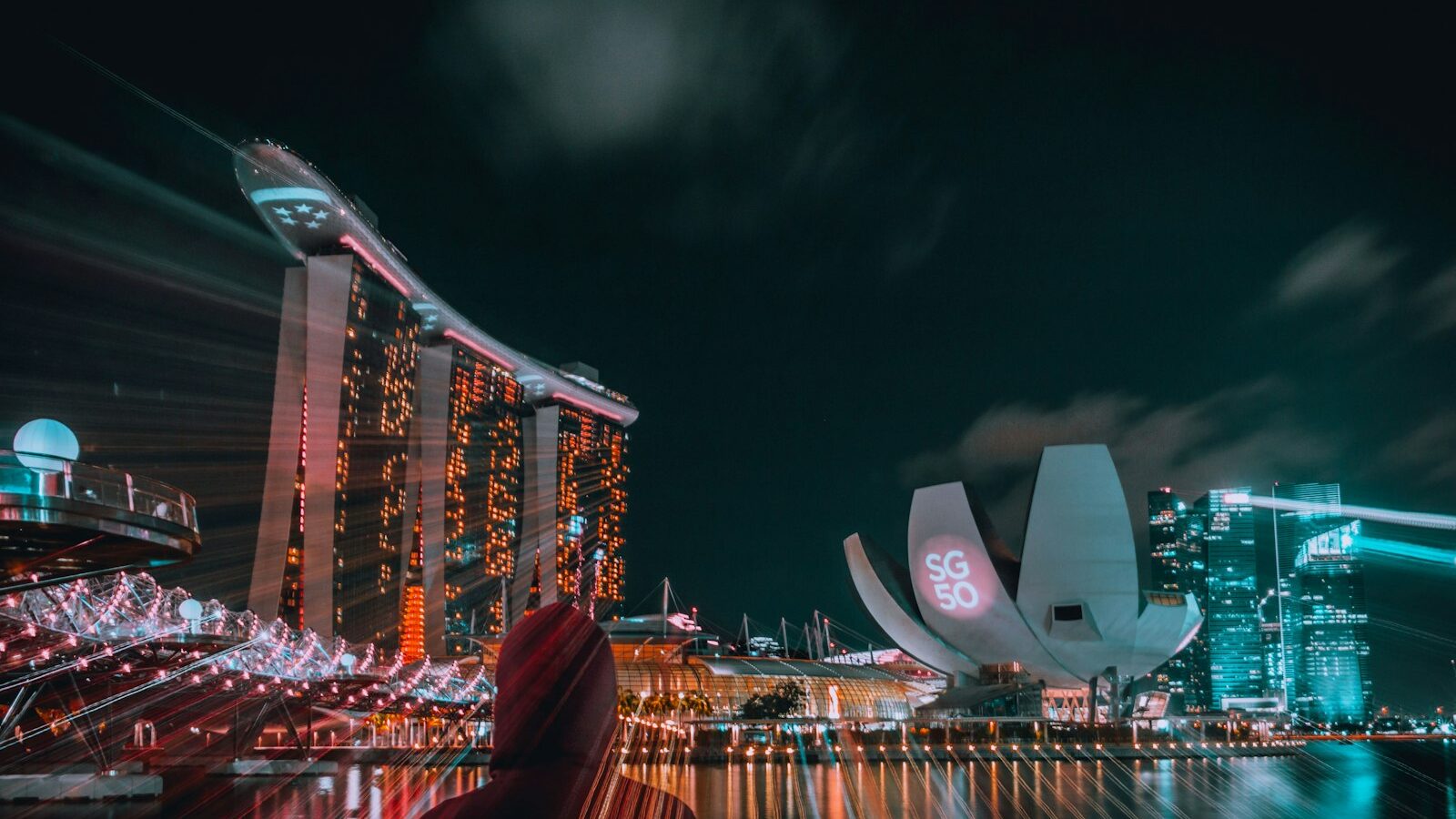
A telephoto lens lets you reach subjects you cannot physically get near, from birds and wildlife to sports action and stage performances. It also flatters portraits and compresses distant scenery into striking, layered images. If you have felt limited by a kit lens that will not zoom far enough, this guide will help you choose the right telephoto lens for your camera and your subjects.
What a telephoto lens does
A telephoto lens has a long focal length, which narrows the field of view and magnifies distant subjects so they fill the frame. It also compresses perspective, making background elements appear closer to your subject than they really are. This is why a portrait shot at a longer focal length looks flattering, with a tidy, blurred background and natural facial proportions.
On a full-frame camera, telephoto usually means anything above roughly 70mm, with serious reach starting around 200mm and beyond. On a crop-sensor body, a lens reaches even further thanks to the crop factor, which is a genuine advantage for wildlife and sports on a budget. Always check the equivalent focal length for your sensor before deciding.
Focal length ranges and what they suit
The right focal length depends heavily on how far your subjects sit.
- Short telephoto (around 70mm to 105mm equivalent): Ideal for portraits and detail shots, with pleasing background separation and easy handling.
- Medium telephoto (around 135mm to 200mm equivalent): A flexible range for events, candid shots and closer sports.
- Long telephoto (around 300mm and beyond): Built for wildlife, aviation and field sports where subjects are far away.
Telephoto zooms, such as a 70-to-300 style range, are the most popular choice because they cover many situations from one lens. Telephoto primes fix your focal length but reward you with wider apertures and often sharper results, which matters when light is short.
Prime versus zoom: weighing the trade-off
Both designs earn their place, and the best choice depends on your priorities.
| Feature | Telephoto prime | Telephoto zoom |
|---|---|---|
| Focal length | Fixed | Variable range |
| Maximum aperture | Usually wider | Usually narrower |
| Weight | Varies, long primes are heavy | Often lighter for the reach |
| Flexibility | Lower | Higher, reframe on the fly |
| Low-light strength | Stronger | Good, varies by model |
A zoom is the sensible starting point for most people because it adapts to changing distances. A fast prime suits those who shoot in dim venues or want the cleanest background blur and sharpest detail. For a fuller comparison of these two designs, our guide on prime versus zoom lenses is worth a read.
Aperture and why it matters more here
With long focal lengths, aperture becomes a bigger deal. A wider maximum aperture (a smaller f-number) lets in more light, which keeps your shutter speed fast enough to freeze motion. This is crucial for sport and wildlife, where a slow shutter blurs a running animal or a moving player.
Bright telephoto lenses are larger, heavier and more expensive, so there is a trade-off. Many affordable telephoto zooms have a variable aperture that narrows as you zoom in, which is fine in good light but limiting at dusk or indoors. Decide honestly how often you shoot in dim conditions before paying for a fast lens.
Image stabilisation: nearly essential
Long lenses magnify camera shake as much as they magnify the subject, so image stabilisation becomes genuinely important. Stabilisation lets you shoot handheld at slower shutter speeds and helps you frame steadily when zoomed right in. If your camera has in-body stabilisation, it will help, though lens-based stabilisation is often tuned specifically for long focal lengths. For static subjects or very long reach, a solid tripod or monopod still pays off. Our guide on choosing a tripod in Singapore explains what to look for.
Weather sealing and build quality
Telephoto work often happens outdoors, at parks, along the coast or at sports fields, so weather sealing helps keep dust and moisture out. In Singapore’s climate, where a bright morning can turn into a downpour, sealing offers useful protection, although no lens is fully waterproof. Sturdier build quality also matters because longer lenses put more strain on the mount and are handled in tougher conditions.
Mount compatibility and third-party options
Confirm that the lens matches your camera’s mount and suits your sensor size. A lens built for a crop sensor may not cover a full-frame body properly, while a full-frame lens works on a crop body with extra reach. Also check that autofocus is supported and fast enough on your model, since sluggish focus ruins action shots.
Third-party manufacturers make some of the most loved telephoto lenses, often offering more reach or wider apertures for the price than first-party options. These can be excellent value. Just verify that autofocus tracking and stabilisation perform well on your specific camera, as integration can vary between brands.
Buying tips for Singapore photographers
Keep these practical points in mind:
- Match reach to your subjects. Occasional zoo and event use is well served by a versatile 70-to-300 style zoom, while serious wildlife may demand more reach.
- Weigh the weight. Long lenses are heavy, and one you dread carrying stays at home. Handle before buying.
- Budget in tiers. Entry-level telephoto zooms are capable in good light, mid-tier lenses add reach, sharpness and stabilisation, and premium lenses deliver bright apertures and rugged sealing.
- Consider teleconverters if your system supports them, as they extend reach at the cost of some light and sharpness.
- Buy from reputable sellers for genuine gear and a valid warranty.
Making your choice
A telephoto lens is about reach, and reach is personal to your subjects. Work out how far away the things you love to photograph really are, then match the focal length, aperture and stabilisation to those needs and your budget. A flexible zoom suits most people starting out, while a fast prime rewards low-light and portrait specialists. Confirm the mount and sensor fit, hold the lens to judge its weight, and you will be ready to pull distant moments right into your frame with confidence.
Explore more: Understanding camera lenses: prime vs zoom · How to choose a tripod in Singapore · Choosing your first camera in Singapore