
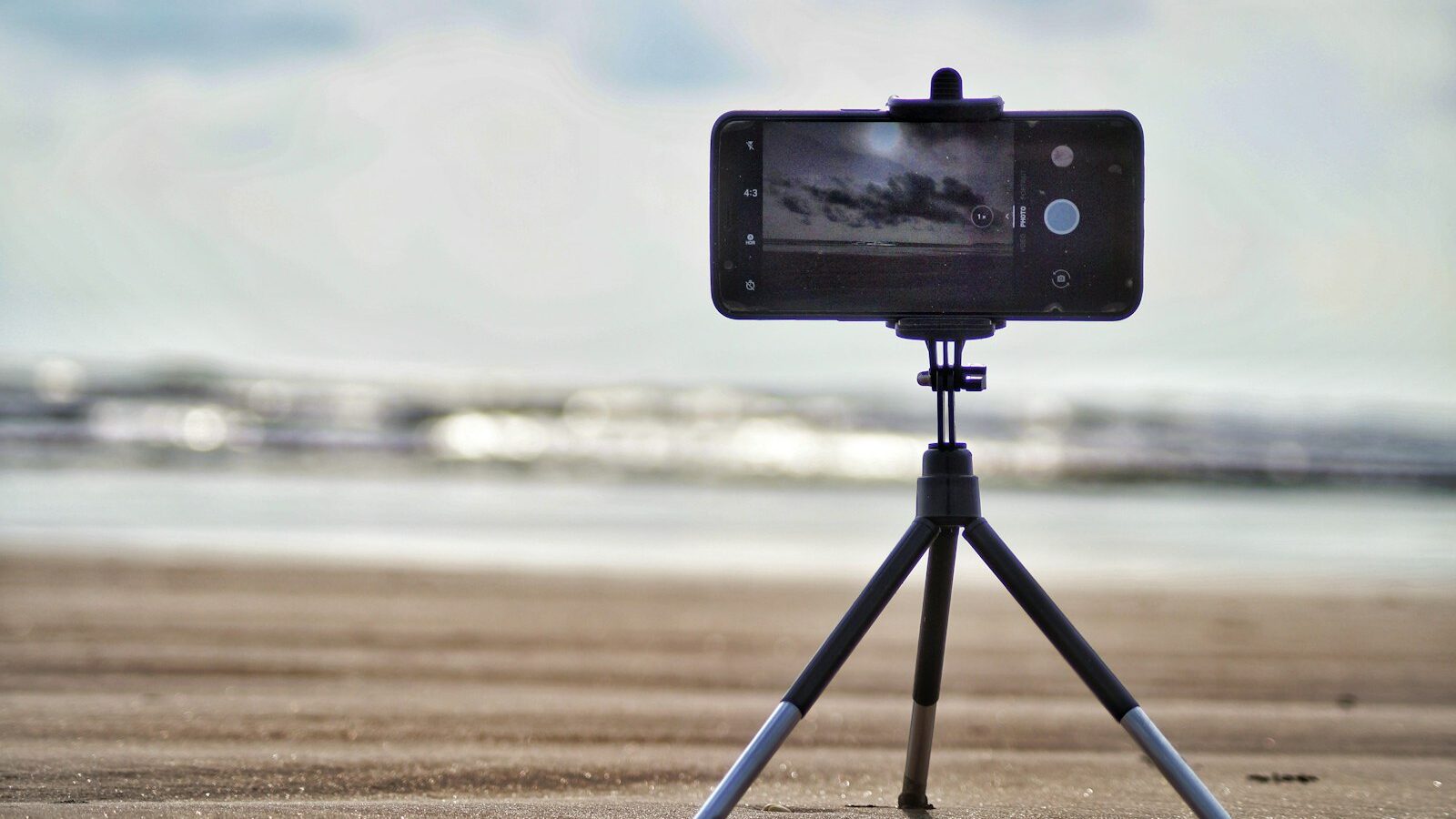
Choosing a tripod sounds simple until you stand in the shop, or scroll an online listing, and face dozens of options at wildly different prices. A tripod is one of those unglamorous purchases that quietly transforms your photography and video, letting you shoot sharp images in low light, film steady interviews, capture long exposures of the Marina Bay skyline and get yourself into the frame. This guide breaks down what actually matters so you can match a tripod to the way you shoot, on a phone or a dedicated camera, without overspending on features you will never use.
What a Tripod Actually Does for You
A tripod holds your camera perfectly still, and that stillness unlocks a whole category of shots. Long exposures that smooth water and blur traffic into light trails need many seconds of stability. Low-light and night scenes let you keep the sensitivity low and the image clean instead of grainy. Self-portraits, group shots and video interviews all benefit from a fixed, repeatable frame. Even in bright daylight, a tripod slows you down and makes you compose more carefully.
Phone shooters gain just as much. With an inexpensive phone clamp that screws onto any standard tripod, your phone becomes capable of the same long exposures, time-lapses and steady video as a camera. So do not assume tripods are only for people with big lenses.
The Parts That Matter
A tripod is really two purchases in one: the legs and the head. Some are sold together, others separately.
- Legs provide the height, stability and folded size. They come in sections, usually three or four. Fewer sections mean fewer joints and slightly more stability, while more sections fold down smaller for travel.
- The head is the moving part that your camera sits on and how you aim it. The two common types are the ball head, which loosens with one knob to move freely and is quick and compact, and the pan-and-tilt head, which adjusts each axis separately for precise, level framing. For video, a fluid head gives those smooth, drifting pans.
- Leg locks are either flip levers or twist grips. Both work well. Try them if you can, as it comes down to feel and how quickly you can set up.
- The centre column raises the camera higher, but extending it fully reduces stability, so treat it as a last resort rather than your main height.
Match the Tripod to How You Shoot
Before comparing models, think honestly about where you will actually use it. A landscape photographer trekking through Sungei Buloh at dawn has very different needs from someone filming interviews in a fixed studio corner. Here is how the common categories compare.
| Tripod type | Weight and size | Stability | Best for |
|---|---|---|---|
| Travel tripod | Light, folds small | Moderate | Hikes, holidays, everyday carry |
| Full-size aluminium | Heavier, bulkier | High | Studio, landscapes, value buyers |
| Carbon fibre | Light for its size | High | Serious travel, long outdoor shoots |
| Tabletop or mini | Very small | Low, for light gear | Phones, vlogging, flat-lay work |
If you are unsure, a mid-range full-size aluminium tripod is the safe, honest first choice. It is sturdy, affordable and teaches you what features you actually miss, which then guides a second, more specialised purchase later.
Weight, Materials and the Singapore Factor
Tripods are usually made from aluminium or carbon fibre. Aluminium is cheaper and very sturdy, but heavier. Carbon fibre is lighter for the same strength and dampens vibration better, though it costs more. For most beginners the price gap is not worth it, and a good aluminium tripod will serve you for years.
Singapore adds two practical considerations. First, heat and humidity are hard on gear, so after a rainy shoot at the Botanic Gardens or an evening at East Coast, extend the legs and let the tripod dry fully before folding it away, and rinse off any sea spray or sand. Salt and grit are what wear out leg locks. Second, weight matters more here than you might think. If getting to your shooting spot means an MRT ride, a walk in the heat and some stairs, a tripod that felt fine in the shop can feel like a burden by the time you arrive. Be honest about how much you will carry.
Stability, Height and Load Rating
A tripod must comfortably support your heaviest camera and lens combination with margin to spare. Check the load rating and stay well under it, because the rating is a maximum, not a comfortable working weight. An overloaded tripod flexes and vibrates, undoing the point of using one.
For height, a tripod that reaches roughly your own eye level without extending the centre column saves your back and keeps the setup rock solid. If you are tall, do not settle for a short tripod assuming you will always crouch. Also look at the minimum height and whether the legs splay wide for low-angle shots of flowers, food or reflections in a puddle after a downpour.
To judge stability quickly, extend a tripod fully, press down gently on the top and give it a light nudge. A good one barely moves and stops wobbling almost instantly. Many tripods include a hook under the centre column so you can hang your bag for extra weight and steadiness in wind, which is handy on breezy rooftops and jetties.
A Simple Buying Checklist
Before you commit, run through these questions.
- Does it comfortably hold your camera and heaviest lens, with margin?
- Does it reach a useful height without relying on the centre column?
- Is it light and compact enough that you will genuinely bring it along?
- Do the head type and leg locks suit your subjects and feel good to use?
- Does it fold small enough for your bag and your usual transport?
- Is it from a reputable brand with available spare parts and replacement plates?
That last point matters. A quick-release plate is easy to lose, and a tripod you cannot find parts for becomes useless. Buying from an established maker, whether a budget or premium one, protects your investment.
A tripod is a tool you will keep long after you upgrade cameras, so choose deliberately. Get the stability and height right first, keep it light enough that you actually carry it, and it will quietly improve almost everything you shoot.
Explore more: a steady base pairs naturally with lighting for video interviews, long-exposure work using ND and polariser lens filters, and our travel photography tips for shooting light on the move.