
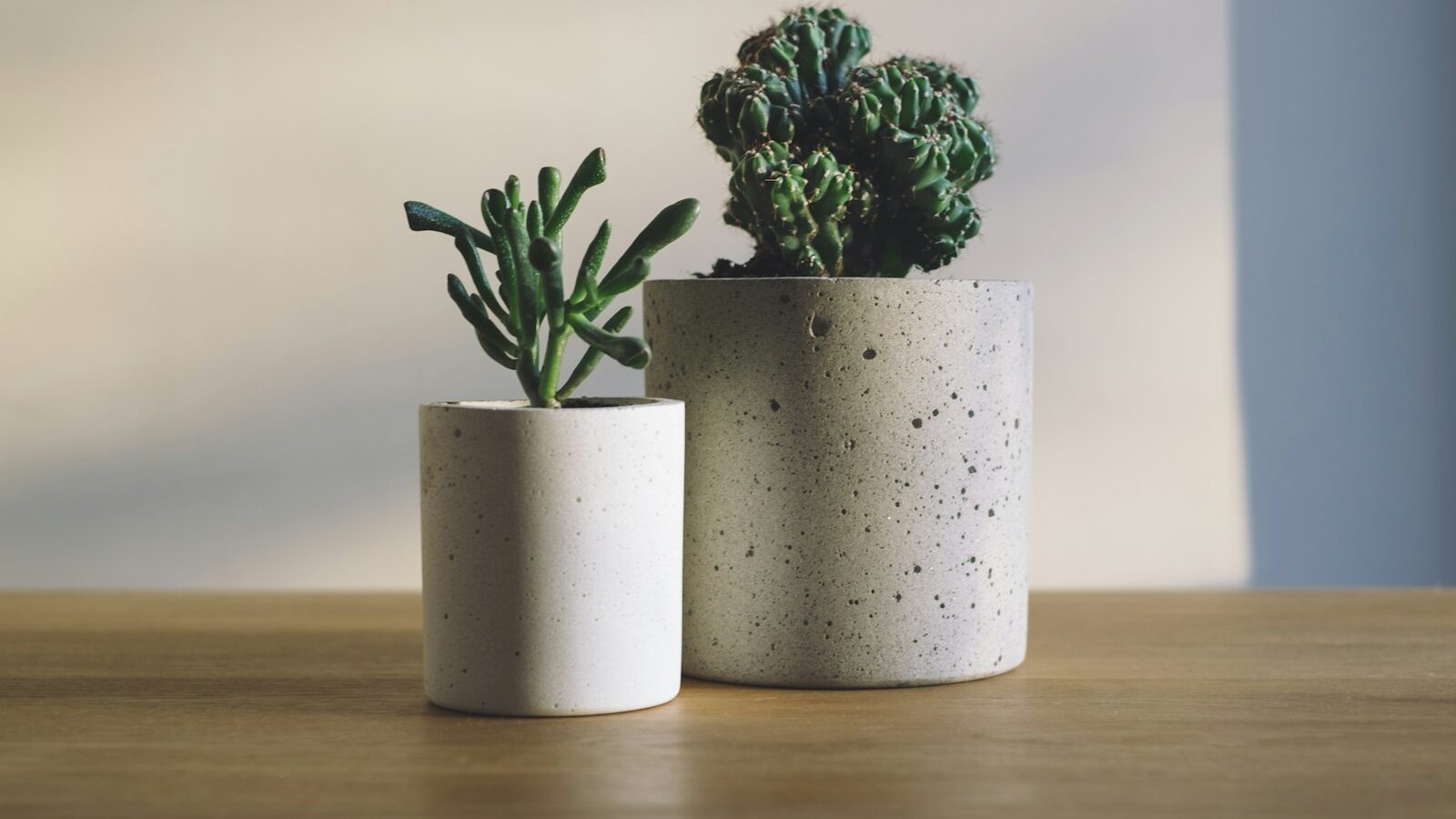
Choosing the right pots and planters in Singapore is one of the simplest ways to help your plants flourish, and one of the most common places beginners go wrong. The pot decides how much water your soil holds, how hot the roots get, and whether standing water sits around breeding mosquitoes. Get it right and even a fussy plant settles in happily on your HDB balcony or corridor. Get it wrong and a healthy plant slowly declines no matter how much you fuss over it.
The good news is that you do not need to spend much, and you do not need to be an expert. You just need to match the pot to your plant, your space, and our warm, humid, rainy climate. Here is how to do exactly that.
Why the Right Pot Matters in Our Climate
Singapore is hot and humid all year, with sudden monsoon downpours and long stretches of intense sun. That combination changes how a pot behaves. A dark plastic pot on a west-facing balcony can bake roots in the afternoon. A pot with no drainage fills up in a single storm and drowns the plant. A tiny pot dries out by lunchtime and leaves you watering twice a day.
So before you fall for a pretty planter, think about three practical things: how fast it dries out, how hot it gets in full sun, and how well it drains after heavy rain. These matter far more here than the shape or colour. A good pot works with our weather instead of fighting it.
Pot Materials: What Suits Singapore
Different materials behave very differently in the tropics. Terracotta breathes and dries quickly, which suits succulents and anything prone to root rot, but it needs more frequent watering in our heat. Plastic is light, cheap, and holds moisture, which is forgiving for beginners and thirsty plants, though dark ones can overheat in direct sun. Glazed ceramic looks smart and retains water well, while fabric grow bags drain superbly and keep roots cool, making them excellent for edibles.
Here is a quick comparison to help you match material to plant and spot.
| Material | Weight and moisture | Best for | Watch out for |
|---|---|---|---|
| Terracotta (unglazed clay) | Heavy, dries fast, breathes well | Succulents, herbs, cacti, root-rot-prone plants | Dries out quickly, needs more watering |
| Plastic | Light, holds moisture, low cost | Beginners, thirsty plants, hanging pots | Dark colours overheat in full sun |
| Glazed ceramic | Heavy, retains water, decorative | Indoor plants, feature pots, shady balconies | Check it actually has a drainage hole |
| Fabric grow bags | Light, drains freely, keeps roots cool | Vegetables, chillies, larger edibles | Dries fast, less tidy indoors |
| Self-watering pots | Built-in reservoir, steady moisture | Busy people, plants that hate drying out | Reservoir must not become stagnant |
There is no single best material. Many Singapore balconies mix terracotta for herbs, plastic for leafy greens, and a couple of glazed pots for looks. Start with what suits your plant and your budget.
Size, Depth and Shape
Size is where beginners most often stumble. A pot that is too small dries out fast and cramps the roots, while a pot that is far too big holds a large volume of wet soil that stays soggy and invites root rot. As a rough rule, move a plant into a pot only two to five centimetres wider than its current one when you repot, so it has room to grow without sitting in a swamp.
Match depth to the plant too. Herbs, lettuce and shallow-rooted plants are happy in wide, shallow containers. Tomatoes, chillies and anything that grows tall need depth to anchor and feed. Long troughs are brilliant along a balcony railing, while tall, narrow pots suit vertical corners in a small flat.
A few quick pointers:
- Wider pots are more stable in wind on high-floor balconies.
- Grouped smaller pots are easier to move indoors before a storm than one huge planter.
- Light pots are kinder on your back and safer on ledges, so avoid heavy concrete up high.
Drainage: The Most Important Feature
If you remember one thing from this guide, remember this: your pot must have drainage holes. In Singapore’s rain, a pot without holes turns into a bucket. Roots sit in water, starve of oxygen, and rot. Almost every plant death from “too much love” traces back to a pot that cannot drain.
Before you buy, turn the pot over and check for holes. If a decorative pot has none, either drill some yourself or use it as an outer cover pot with the plant kept in a plain plastic pot inside that you can lift out to drain. Add a layer of coarse material or simply use a free-draining potting mix so the holes do not clog.
This is also where our dengue reality comes in, and it is not optional. Never let water collect and stand in pot saucers, trays, or the base of cover pots, because still water is exactly where Aedes mosquitoes breed, and dengue is a genuine risk here. Make it a habit:
- Tip out any water that pools in saucers within a day, especially after rain.
- Do not leave a saucer permanently full “so the plant can drink”; that is a breeding ground.
- Avoid hardened, compacted soil that traps water on the surface instead of draining through.
- Check self-watering reservoirs and any trays weekly, and follow NEA’s anti-mosquito advice for homes.
A pot that drains freely and a saucer you empty regularly protect both your plants and your neighbours.
Where to Buy Pots and Planters in Singapore
You have plenty of options at every budget, so there is no need to overspend. For a rough sense of tiers, budget plastic pots and nursery trays are the cheapest, mid-range glazed ceramic and quality troughs cost more, and premium designer or large concrete planters sit at the top. Prices vary a lot between shops and change over time, so always check the nursery or store rather than trusting any figure you read online.
Good places to look include:
- Large nurseries such as Far East Flora and the cluster of nurseries around Sungei Tengah and Thomson, which carry every size.
- IKEA and general homeware shops for tidy indoor pots and cover pots.
- Neighbourhood and community nurseries for cheap, practical plastic pots and trays.
- Online marketplaces for self-watering pots, fabric grow bags and railing planters delivered to your door.
Start small with one or two pots that fit your space, see how your plants respond to our heat and rain, and build from there. Choosing pots well is a quiet skill that pays off every single day your plants are alive.
Explore more
If you are setting up a small space, our guide to container gardening for small spaces in Singapore pairs perfectly with choosing pots. Once your plants are potted, learn how to water plants in Singapore’s heat without breeding mosquitoes, and if you travel often, consider setting up a self-watering system for steady, safe moisture.