
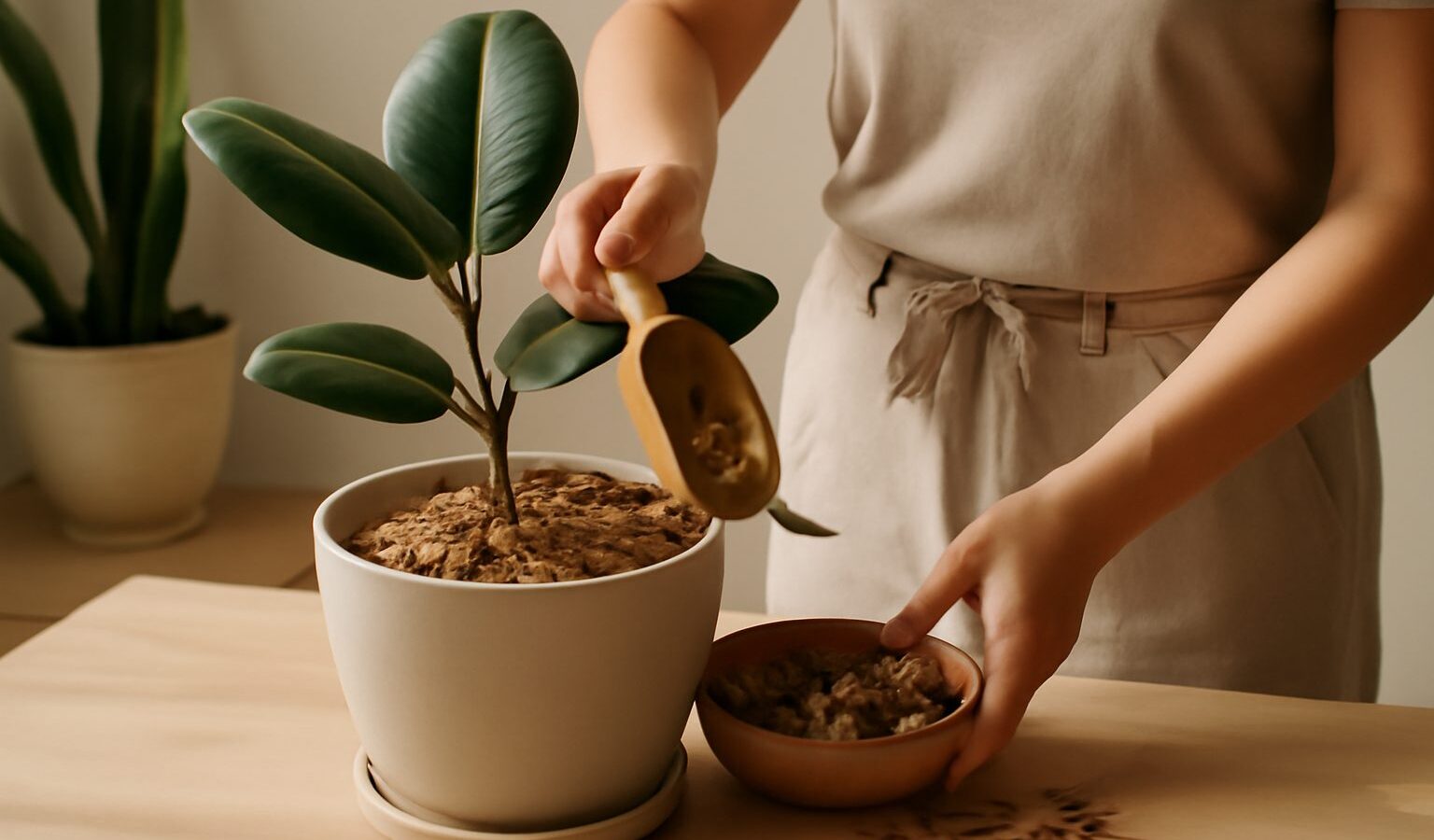
Covering the bare soil in a container with a protective layer is one of those small jobs that pays back many times over, especially in our climate. Mulching pots Singapore gardeners often overlook, yet a simple layer of the right material conserves precious moisture, keeps roots cooler under the fierce sun and gives your containers a neat, finished look. This is general guidance for home growers, so adjust the materials and depth to suit your particular plants.
Top-dressing is a close cousin of mulching. Where mulch is mainly there to protect the surface, top-dressing usually means refreshing the very top layer of a pot with fresh compost or fine material to feed the plant gently and smarten it up. In practice the two overlap, and both are especially worthwhile here, where strong sun bakes the surface of a pot and heavy rain washes it about.
Why Mulch Containers in Our Climate
In a garden bed, mulch is standard practice. In pots it is just as valuable, and arguably more so, because containers heat up, dry out and lose their surface soil faster than open ground.
The benefits are straightforward:
- Moisture retention. A mulch layer slows evaporation from the soil surface, so pots stay damp for longer between waterings. In our heat, a bare pot on a sunny balcony can dry out alarmingly fast, and mulch buys you time.
- Temperature moderation. Dark, exposed potting mix under direct tropical sun can get genuinely hot, stressing the fine roots near the surface. A mulch layer shades and insulates the mix, keeping the root zone cooler and steadier.
- Fewer weeds. By blocking light, mulch stops stray weed seeds germinating on the surface.
- Less splashback. Our heavy downpours can blast soil out of a pot and splash it onto leaves, walls and floors. A mulch layer absorbs the impact, protecting both the mix and the plant from soil-borne disease.
- A tidy finish. A neat surface simply looks cared for, which matters on a display balcony or by a front door.
Choosing the Right Material
Different mulches suit different plants and looks. The main split is between organic mulches, which slowly break down and feed the soil, and inorganic ones, which last longer and stay put.
| Mulch material | Best for | Notes |
|---|---|---|
| Bark chips or wood chips | Shrubs, larger foliage pots | Long lasting, natural look, breaks down slowly |
| Compost or leaf mould | Most plants, edibles | Feeds as it breaks down; doubles as top-dressing |
| Coconut husk or coir | Moisture-loving plants | Holds water well, widely available locally |
| Gravel or pebbles | Succulents, cacti | Keeps stems dry, inorganic, lasts indefinitely |
| Dried leaves | Vegetable pots, informal beds | Free, breaks down fast, top up often |
| Decorative stones | Display pots | Purely for looks and moisture; no feeding value |
For thirsty, leafy plants, an organic mulch that also holds moisture, such as compost or coir, works beautifully. For succulents and cacti, which hate a damp neck, a gritty inorganic mulch of gravel or coarse pebbles is better because it keeps the base of the plant dry and airy. Avoid using fresh grass clippings in a thick layer, as they can mat down and turn slimy in our humidity.
How to Mulch and Top-Dress Correctly
The method is simple, but two details make all the difference.
First, keep the mulch off the stems. This is the golden rule. Piling mulch up against the trunk or stem of a plant traps moisture right where the plant is most vulnerable, and in our warm, damp air that invites rot and disease. Leave a clear gap of a couple of centimetres around every stem so air can circulate and the base stays dry.
Second, mind the depth. A layer of roughly two to four centimetres is plenty for most pots. Too thin and it does little, but too thick and it can stop light rain and water reaching the soil, or hold the surface permanently soggy. For fine gravel over succulents, a thinner scattering is enough.
To top-dress a pot, gently scrape away the top centimetre or two of tired old mix, taking care not to disturb roots, and replace it with fresh compost or potting mix. This refreshes the surface, adds a little gentle nutrition and lifts the look of a pot that has been growing for a while. You can then lay a decorative or organic mulch on top if you wish.
Water the pot before you mulch, so the moisture is sealed in beneath the layer, and check occasionally that water is still soaking through rather than running off the top.
Keeping It Working Through the Seasons
Organic mulches break down, and in our warm, wet conditions they do so quickly, feeding the soil as they go. This is a benefit, not a fault, but it means you will need to top up organic mulch every few months as it thins. Inorganic mulches such as gravel need only an occasional rinse or tidy.
Every so often, part the mulch and check the soil beneath. Because mulch hides the surface, it is easy to misjudge watering, so slide a finger underneath to feel whether the mix is damp or dry before you reach for the watering can. After very heavy rain, check that mulch has not washed into a heap on one side, and redistribute it evenly.
A handful of the right material, spread with a gap around the stem and topped up now and then, is a tiny effort for a real reward. Your pots will drink less, cope better with the sun and rain, and look all the more handsome for it.
Explore more
Understanding Soil and Potting Mix
How to Water Plants in Singapore’s Heat
Making Compost at Home
How to Repot a Houseplant