
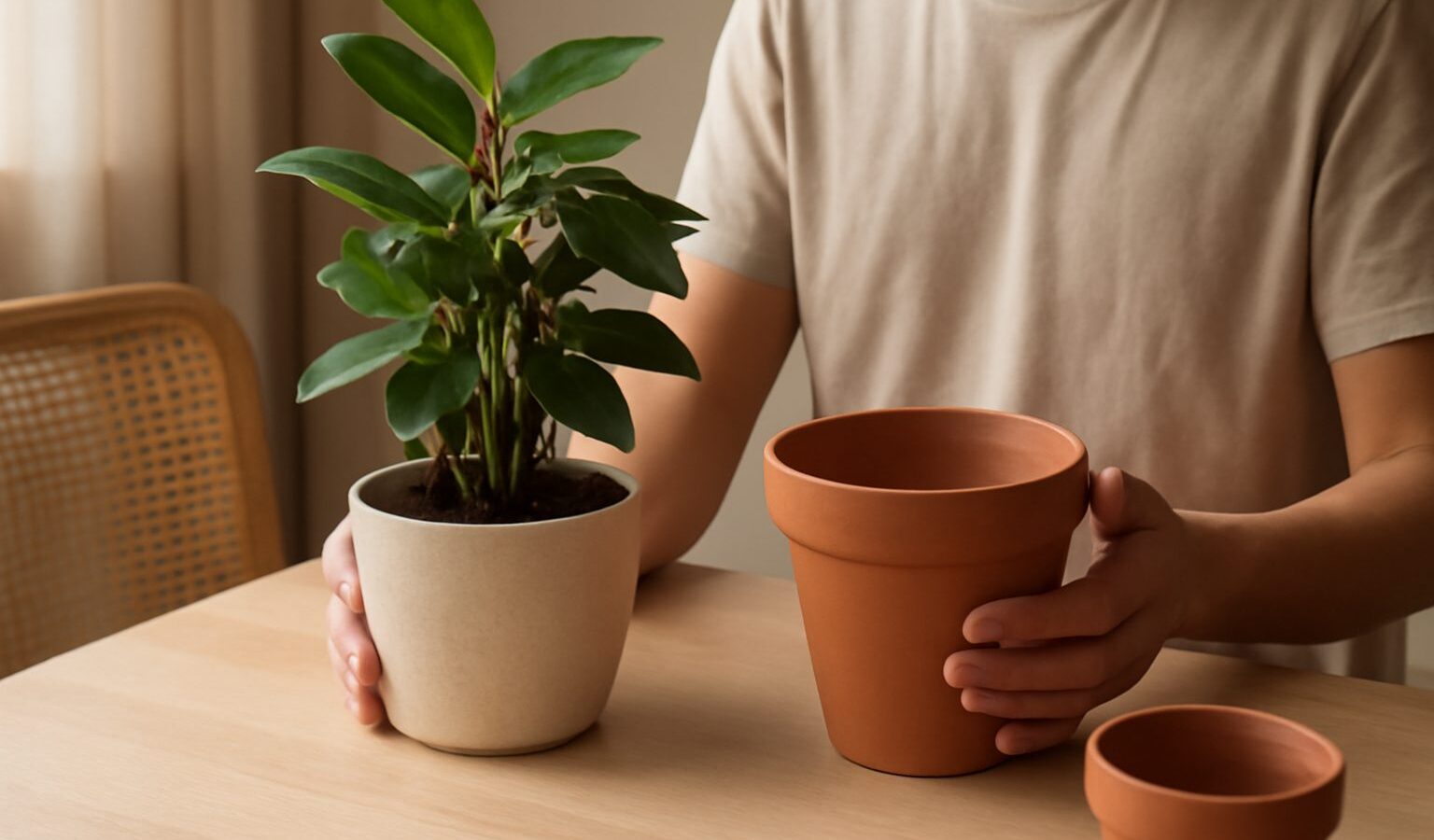
Getting the pot size singapore gardeners reach for just right is one of those quiet decisions that makes or breaks a plant. Too small and roots strangle themselves, dry out in an afternoon, and stall. Too big and the soil stays soggy for days, which in our hot, humid climate is a fast track to root rot. In an HDB flat or on a breezy condo balcony, where space is tight and the sun can be fierce, matching pot to plant is less about looks and more about keeping roots healthy. This guide walks you through how to size a container properly, and why it matters more here than in cooler places.
Why Pot Size Matters More in the Tropics
A pot is a tiny, portable version of the ground, and its size controls two things at once: how much water the soil holds and how much room the roots have. In Singapore’s year-round warmth, both swing to extremes quickly. A small pot heats up and dries out fast, so a thirsty plant on a sunny ledge might wilt by lunchtime. A large pot holds a big reservoir of wet soil, and without a proper dry-out between waterings, those roots sit in stagnant moisture that invites fungus and rot.
The rule most growers follow is to go up just one size at a time. When you repot, choose a container roughly 2 to 4 cm wider in diameter than the current one, no more. That gives the roots fresh room to grow into without leaving a huge ring of soggy, unused soil around them. Jumping a small plant straight into a giant pot feels generous, but it usually backfires. If you are unsure of the whole process, our step-by-step on how to repot a houseplant covers timing and technique.
Depth matters too, not just width. Deep-rooted plants like chillies or young fruit trees want a taller pot, while shallow-rooted succulents and many herbs are happy in a wide, low container. Match the shape to the root system, not just the leaves you see above the soil.
Reading the Signs and Making the Choice
Your plant will usually tell you when it needs more room. Roots creeping out of the drainage holes, a plant that dries out almost daily no matter how much you water, roots circling in a tight spiral when you lift it out, or growth that has simply stalled are all signs it is pot-bound. On the other hand, if the soil stays wet for many days and you spot a musty smell, the pot may be too large or draining poorly.
Here are the practical points to weigh when picking a size:
- Match the pot to the current root ball, going up only one size when repotting.
- Always choose a pot with drainage holes. In our climate, a decorative pot with no drainage is a rot trap unless you use it only as an outer sleeve.
- Consider the material. Terracotta breathes and dries faster, which suits succulents and cacti but means more watering under full sun. Plastic and glazed ceramic hold moisture longer, handy for thirsty tropical foliage.
- Think about weight and wind. On a high balcony, a tall plant in a light plastic pot can topple, so a heavier base or a wider pot adds stability.
- Leave a small gap, around 2 cm, between the soil surface and the rim so water does not spill straight over the edge.
Material and shape tie closely to size, so it is worth reading our fuller guide on how to choose pots and planters alongside this one. If you are working with a narrow ledge or a shared corridor, container gardening for small spaces has ideas for fitting the right-sized pots into tight spots.
Getting the Soil and Drainage Right
Even a perfectly sized pot fails with the wrong mix inside it. A dense, water-holding compost in a large pot stays wet far too long here, so lighten it with materials that let air reach the roots. A well-draining blend keeps the reservoir from turning stagnant, which is the whole point of sizing carefully. Our notes on making your own potting mix explain how to build something airy and forgiving for the tropics.
When you do move a plant up a size, water it in gently, then hold back a little on the next few waterings until roots settle into the new soil. A slightly under-watered new repot recovers far better than a drowned one.
A Simple Way to Get It Right
If you remember nothing else, remember this: go up one size at a time, always pick a pot with drainage, and match the shape to the roots. Watch how fast your soil dries and adjust from there. In Singapore’s heat, a pot that suits your plant, your spot, and your watering habits will do more for growth than any fancy fertiliser. Start with the right container, and the rest of care becomes far easier.