
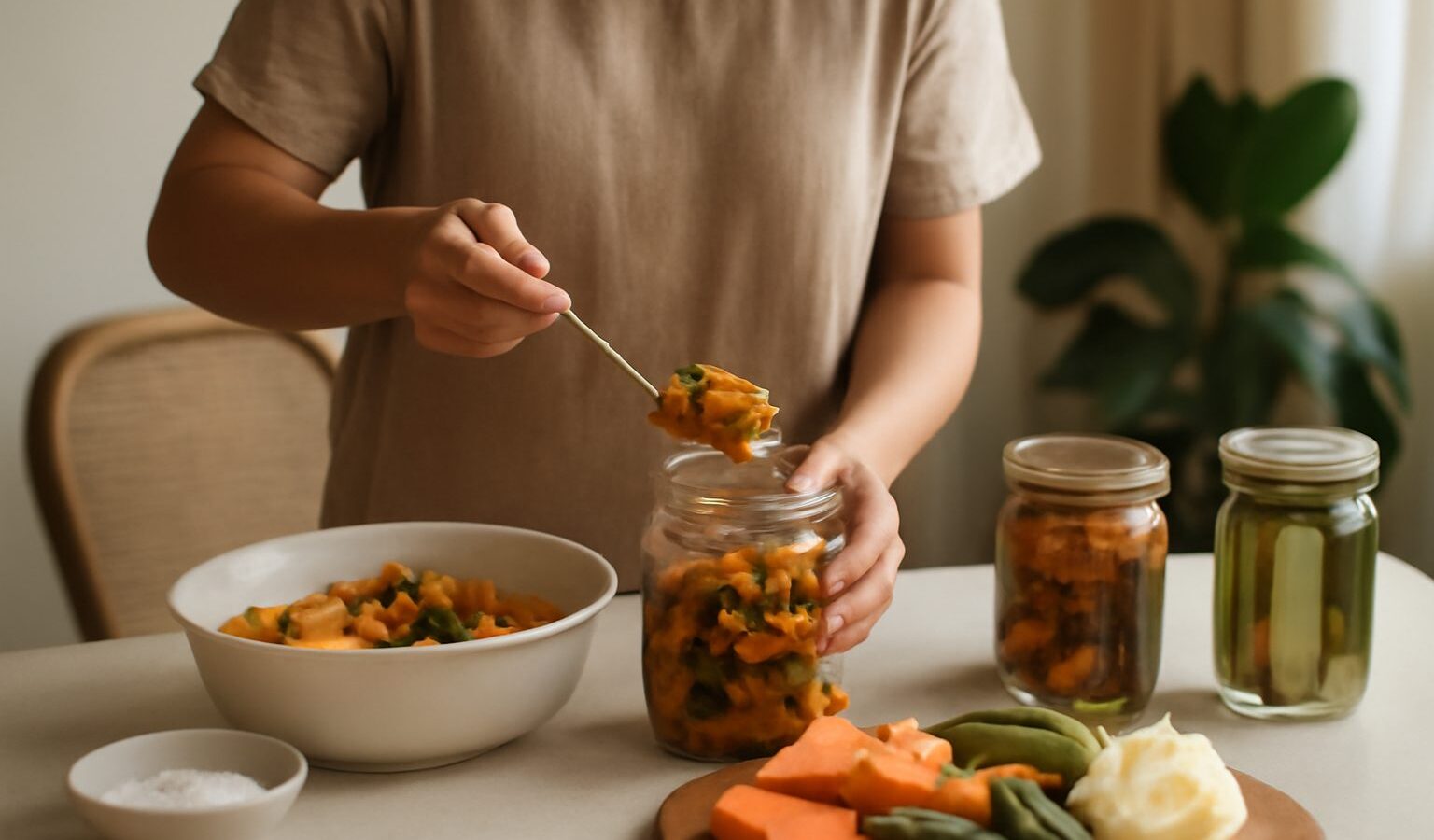
If you have ever spooned a bright, tangy heap of achar next to a plate of nasi biryani or fried chicken, you already know how much a good pickle can lift a meal. Learning how to make achar at home is one of the most rewarding things a beginner cook can do, because the technique is forgiving, the ingredients are humble, and the reward is a jar of crunchy, sour, gently sweet vegetables that make everything on the plate taste better. This guide walks you through the basics of achar and quick pickles, the ratios that keep them safe, and the little habits that turn a good batch into a great one.
Achar, in the Peranakan and wider Southeast Asian sense, is a spiced vegetable pickle, usually built around cucumber, carrot, cabbage and long beans, dressed with a fragrant rempah and finished with a scatter of ground peanuts and toasted sesame. Western style quick pickles are simpler still, being vegetables steeped in a seasoned vinegar brine. Both rely on the same core idea, which is using salt, acid and sugar to season vegetables, draw out water, and keep them crisp and fresh tasting.
The Building Blocks: Salt, Vinegar and Sugar
Every pickle is a balancing act between three things. Salt seasons and firms the vegetables while drawing out excess moisture. Vinegar provides the sour tang and, just as importantly, the acidity that helps a pickle keep. Sugar softens the sharpness and rounds everything into balance. Get these three in harmony and you have a pickle that tastes lively rather than harsh or flat.
For achar, the process usually begins with salting. You toss cut cucumber, carrot and cabbage with salt and leave them to sit for an hour or two, sometimes weighted or spread in the sun, so they release their water. This step is not optional, because vegetables that still hold a lot of water will dilute the dressing and turn soft. After salting, you rinse and squeeze or spin them dry, then dress them.
For a simple quick pickle brine, a reliable starting ratio is equal parts vinegar and water, plus salt and sugar to taste. A common beginner blend is one cup vinegar, one cup water, one tablespoon salt and one to two tablespoons sugar, warmed gently until the salt and sugar dissolve. Pour it over your prepared vegetables, cool, then refrigerate. Rice vinegar gives a mellow result, while distilled white vinegar is sharper and cleaner. Whichever you choose, do not water the vinegar down beyond that even balance, because the acid is what keeps a fridge pickle fresh.
Making Nyonya Style Achar
Achar has more moving parts than a plain pickle, but none of them are difficult. The heart of it is the rempah, a spice paste you blend from dried chillies, shallots, garlic, candlenuts or macadamias, fresh turmeric or turmeric powder, and belachan if you like that deep savoury note. You fry this paste gently in oil until it is fragrant and the raw edge has cooked off, then stir in vinegar and sugar to make a warm, spiced dressing.
Meanwhile you blanch or salt your vegetables so they stay snappy. Many home cooks give the harder vegetables like carrot and long beans a very quick dip in hot vinegar water, then drain them thoroughly. You fold the cooled vegetables through the rempah dressing, taste, and adjust the sour and sweet until it sings. Finally you finish with coarsely ground toasted peanuts and toasted sesame seeds, which add nuttiness and a lovely texture. Achar is traditionally left to mature for a day or two in the fridge before eating, which lets the flavours settle and deepen.
Do not rush the tasting. Pickles taste different warm than they do cold, and they keep evolving for the first day. Season a touch bolder than feels comfortable, because chilling mutes flavour, and you can always adjust the next batch.
Jars, Safety and Keeping Your Pickles Well
Cleanliness is where good pickling really lives. Use clean, dry, sterilised jars, because any stray moisture, oil or food residue invites spoilage. To sterilise, wash jars and lids in hot soapy water, rinse well, then dry them fully in a low oven or leave them to air dry completely. Let hot brine cool a little before it goes into glass to avoid cracking, and always use clean, dry utensils when you serve, never fingers straight from the jar.
The pickles in this guide are refrigerator pickles, meant to be kept cold and eaten within a reasonable time rather than stored on a shelf for months. Quick vinegar pickles are generally best within two to three weeks, and spiced achar is usually happiest within a week or two while its texture stays crisp. Keep everything submerged in its brine or dressing, keep the jar in the fridge, and label it with the date so you are not guessing later. This is general home cook guidance and is not a substitute for tested canning or preserving methods if you want a long, shelf stable life.
Trust your senses above all. Discard any pickle that shows mould, smells off or yeasty, turns slimy, or goes cloudy in a way that was not there when you made it. When in doubt, throw it out, because no jar is worth a risk. A healthy pickle smells bright and sour, looks clean, and crunches when you bite it.
| Pickle style | Main method | Typical fridge life | Best for |
|---|---|---|---|
| Nyonya achar | Salt then dress in spiced rempah and vinegar | 1 to 2 weeks | Rice dishes, curries, fried foods |
| Quick vinegar pickle | Steep raw veg in vinegar brine | 2 to 3 weeks | Sandwiches, noodles, grilled meats |
| Salted then soured cucumber | Salt, rinse, dress lightly | About 1 week | Fresh, everyday side |
Once you have the rhythm of salting, dressing and tasting, you will find yourself pickling almost anything crisp in the crisper drawer. Radish, cauliflower, green mango and firm cucumber all take beautifully to a spiced or simple brine. Start with one small jar, keep your ratios honest, keep everything clean, and you will soon have a fridge that always holds something tangy and bright to wake up a plate.
Explore more
How to Make a Rempah Spice Paste
How to Make Sambal Chilli from Scratch
Basic Knife Skills for Home Cooks
How to Toast and Temper Spices