
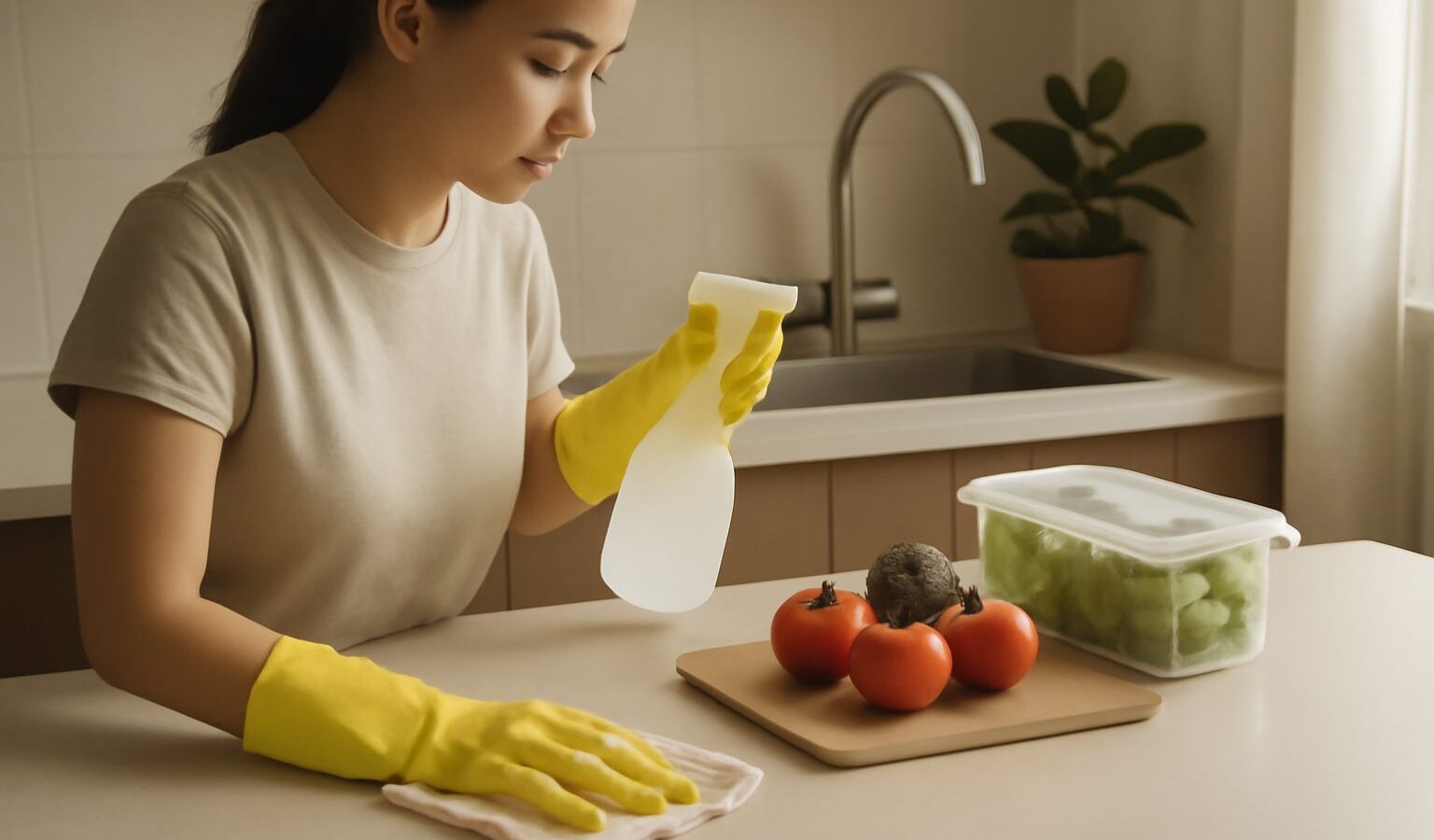
Food safety at home in Singapore is not about scrubbing your kitchen until it sparkles for guests. It is about a handful of everyday habits that stop you and your family getting sick, and those habits matter more here than in cooler countries. Our tropical heat and humidity let bacteria multiply quickly, and where there is food there are ants and other pests. The good news is that the basics are simple, free, and quick once they become routine. This guide covers cleaning, handling, and storage, and defers to the Singapore Food Agency for the details, since we will avoid inventing precise numbers.
Clean Hands, Clean Surfaces, Clean Habits
Most kitchen hygiene comes down to keeping the things that touch your food clean, starting with your hands. Wash them properly with soap and water before you cook, after handling raw meat, poultry, seafood, or eggs, after touching the bin, and after using your phone mid-cook, which nearly everyone does. This one habit prevents a lot of trouble.
Keep your work surfaces and equipment clean as you go rather than facing a mountain at the end. Wipe down counters before and after preparing food, and wash knives and boards between different tasks, especially after raw meat. Cloths and sponges are a hidden weak point: they stay damp in our humidity and quickly grow bacteria and a sour smell, so rinse them out, let them dry, and replace them regularly. Do not forget the spots that get skipped, such as the tin opener, the chopping board grooves, tap handles, and the fridge door handle you touch with messy hands.
Keep Raw and Cooked Foods Apart
Cross-contamination, where bacteria from raw food reaches food you will eat as-is, is one of the biggest risks in a home kitchen, and it is easy to prevent once you are aware of it. The principle is simple: keep raw meat, poultry, and seafood away from ready-to-eat foods at every stage.
Use separate chopping boards and knives for raw meat and for vegetables or cooked food, and many home cooks colour-code or simply keep one board strictly for raw meat. Never place cooked food back onto a plate that held it raw, a classic barbecue and steamboat mistake. In the fridge, store raw meat and seafood in sealed containers on the lowest shelf so nothing can drip onto food below. Wash boards, knives, and hands thoroughly after handling anything raw before you move on to the next ingredient.
Here is a quick reference for keeping things separate and clean.
| Item | Do this | Avoid |
|---|---|---|
| Chopping boards | Separate ones for raw meat and veg | One board for everything |
| Raw meat in fridge | Sealed, on the lowest shelf | Uncovered, above other food |
| Cooked food | Fresh clean plate | The plate that held it raw |
| Cloths and sponges | Rinse, dry, replace often | Leaving them damp and reused |
| Reusable bags | Wash the ones used for raw meat | Reusing unwashed for produce |
Cook It Through and Chill It Promptly
Two habits do most of the heavy lifting for safety: cooking food properly and cooling leftovers quickly. Cook poultry, pork, eggs, and seafood all the way through rather than leaving them pink or runny in the centre, unless you are confident in the source and the dish. Reheat leftovers until they are piping hot throughout, not just warm, and try not to reheat the same dish over and over.
Chilling promptly is where our climate bites hardest. Cooked food left out in the Singapore heat is in the ideal range for bacteria to multiply, so do not leave that pot of curry or rice cooling on the stove all afternoon. Get leftovers into the fridge before too long once they have stopped steaming, splitting large amounts into shallow containers so they cool faster. Marinate meat in the fridge, never on the counter, and defrost frozen food in the fridge rather than leaving it out in the warmth. In line with SFA guidance, treat exact fridge temperatures and storage durations as ranges to judge sensibly rather than fixed rules, and when in doubt, throw it out. A stomach bug is never worth saving a small amount of food.
Keep Pests and Spoilage at Bay
A clean kitchen is also your first defence against the pests that thrive in our environment. Ants find the smallest sugar spill within hours, and a forgotten fruit invites fruit flies fast. Wipe up spills straight away, keep dry goods like rice, flour, sugar, and biscuits in sealed airtight containers rather than open packets, and store them off the floor.
Manage your bin and produce with the heat in mind. Empty the kitchen bin often, since food waste turns pungent quickly here, and rinse recyclables before they sit. Check your fruit bowl and vegetable basket regularly, as one spoiling item speeds up the rest and draws pests. Trust your senses when deciding what to keep: sliminess, off or sour smells, and visible mould all mean it goes in the bin. Sealed containers, prompt cleaning, and a quick daily tidy keep the whole kitchen safer with very little effort, and they make cooking a far more pleasant thing to come home to.
None of this needs to happen all at once. If your kitchen habits are patchy right now, pick one thing to fix this week, perhaps a dedicated board for raw meat or a rule about wiping counters before you start, and let it become automatic before adding the next. Good hygiene is really just a stack of small routines that you no longer have to think about.
It helps to remember why these habits matter more here than elsewhere. In a cooler, drier climate a cook can be a little slack and often get away with it, but our warmth and humidity leave far less room for error. That is not a reason to be anxious in the kitchen; it is simply a reason to make the basics second nature. Clean hands, separate boards, food cooked through, and leftovers chilled promptly will carry you safely through almost anything you cook at home.
Explore more
Good hygiene is the foundation everything else sits on. Extend it into storage with our guide to storing food safely at home, and reduce spoilage from the start by keeping produce fresher for longer. Cooking ahead this week? Do it safely with batch cooking and freezing meals.