
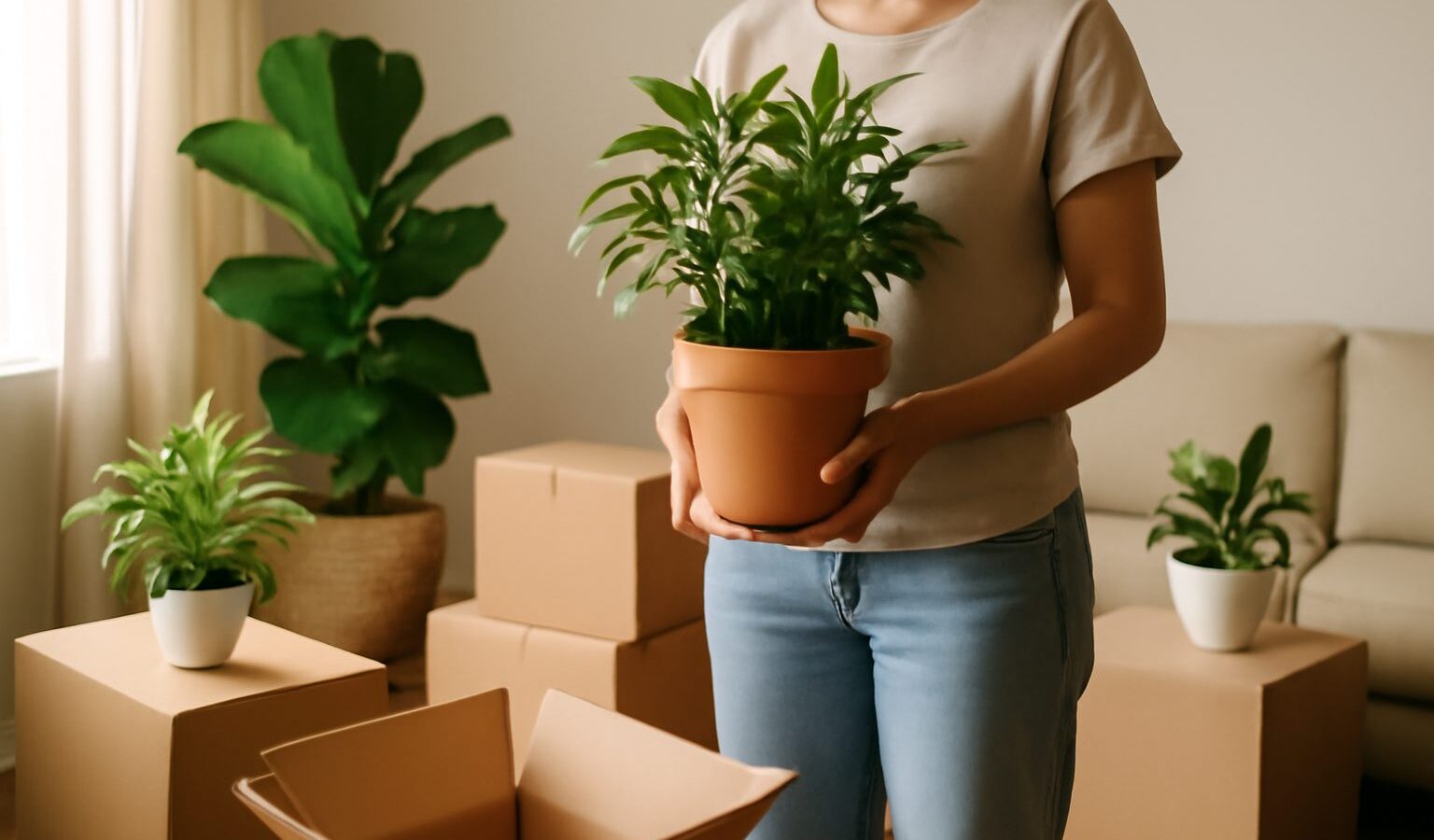
Shifting flats is stressful enough without worrying about your leafy companions, and moving with plants singapore residents will tell you is one of the trickier parts of any relocation. Plants are heavy, awkward, easily bruised, and unhappy about sudden changes in light and handling. In our hot climate, a plant left baking in a stationary lorry or sealed in a hot box can cook in an hour. But with a bit of planning, most of your collection can survive the move and settle happily into the new place. This guide covers preparing, packing, transporting, and re-establishing your plants so you lose as few as possible.
Preparing Your Plants Before Moving Day
The week before the move is when you do the real work. First, take stock. Large, heavy pots are the hardest to shift, so decide honestly which plants are worth transporting and which you might gift, swap, or propagate instead. Taking a few cuttings of your favourites as insurance is a smart move, in case a parent plant does not survive the upheaval. Our guide to propagating plants from cuttings shows how to do this simply.
A few days before the move, give plants a light tidy. Remove dead or yellowing leaves and any obvious pests, because the last thing you want is to carry an infestation into a fresh home. Do a quick pest check under leaves and along stems; our notes on how to deal with plant pests help you spot trouble early.
Watering timing matters. Water your plants a day or two before the move, not on the day itself. You want the soil lightly moist, not soaking, because wet soil is heavier, messier, and more likely to spill and rot roots if the journey drags on. Avoid repotting right before a move, since a plant recovering from repotting shock does not want the added stress of transport. If anything is badly pot-bound, deal with it well after you have settled in instead.
Packing and Transporting Safely
On moving day, protect plants from three enemies: heat, breakage, and being crushed under other boxes. Here is a practical approach:
- Sleeve smaller plants in newspaper or paper cones, gathering the foliage gently upward so leaves are not snapped at the base.
- Pack pots snugly into open boxes or crates so they cannot tip and slide, cushioning gaps with crumpled paper or cloth.
- Keep tall or top-heavy plants upright and wedged, never laid flat where stems bend and break.
- Load plants last so they are not buried, and unload them first at the other end.
- Never leave plants in a parked, closed vehicle in the sun, even briefly. Heat builds fast and can scorch or kill them.
If you are using a mover, tell them the plants are fragile and, ideally, carry the most precious ones yourself in the car with the aircon on. For a short cross-island trip this is usually manageable, but plan the route so plants spend the least time in transit and heat.
Do not forget your tools and supplies. Bag up your hand trowel, snips, leftover potting mix, and fertiliser together so you are not hunting for them in a new flat. If you are refreshing your kit, our list of gardening tools every beginner needs is a handy reference.
Settling In at the New Home
The new place will almost certainly have different light. A plant that basked on your old east-facing ledge might now face harsh afternoon sun, or sit in a much darker corner. Expect some sulking in the first weeks, a few dropped leaves, or a pause in growth, as plants adjust. This is normal transplant and relocation stress, not necessarily a sign of failure.
Resist the urge to fix everything at once. Do not fertilise straight away, and do not repot for a while. Give plants time to read the new conditions. Place them where the light roughly matches their old spot, then observe. Move them gradually if they show signs of too much sun, such as pale or scorched patches, or too little, such as leggy, stretching growth. Ease sun-lovers back into strong light slowly rather than dumping them onto a blazing balcony on day one.
Keep watering consistent but not heavy while roots recover, and hold off on any drastic pruning. If a plant looks rough after a week or two, our guide to how to revive a dying plant can help you nurse it back.
A Calmer Move for You and Your Plants
Moving with plants comes down to good timing and gentle handling: prep and pest-check ahead, water lightly beforehand, protect against heat and breakage in transit, then let plants adjust patiently in their new light. Take cuttings as backup for anything irreplaceable, and forgive a little post-move sulking. With that care, your green companions will make the journey with you and soon feel at home in your new Singapore space.