
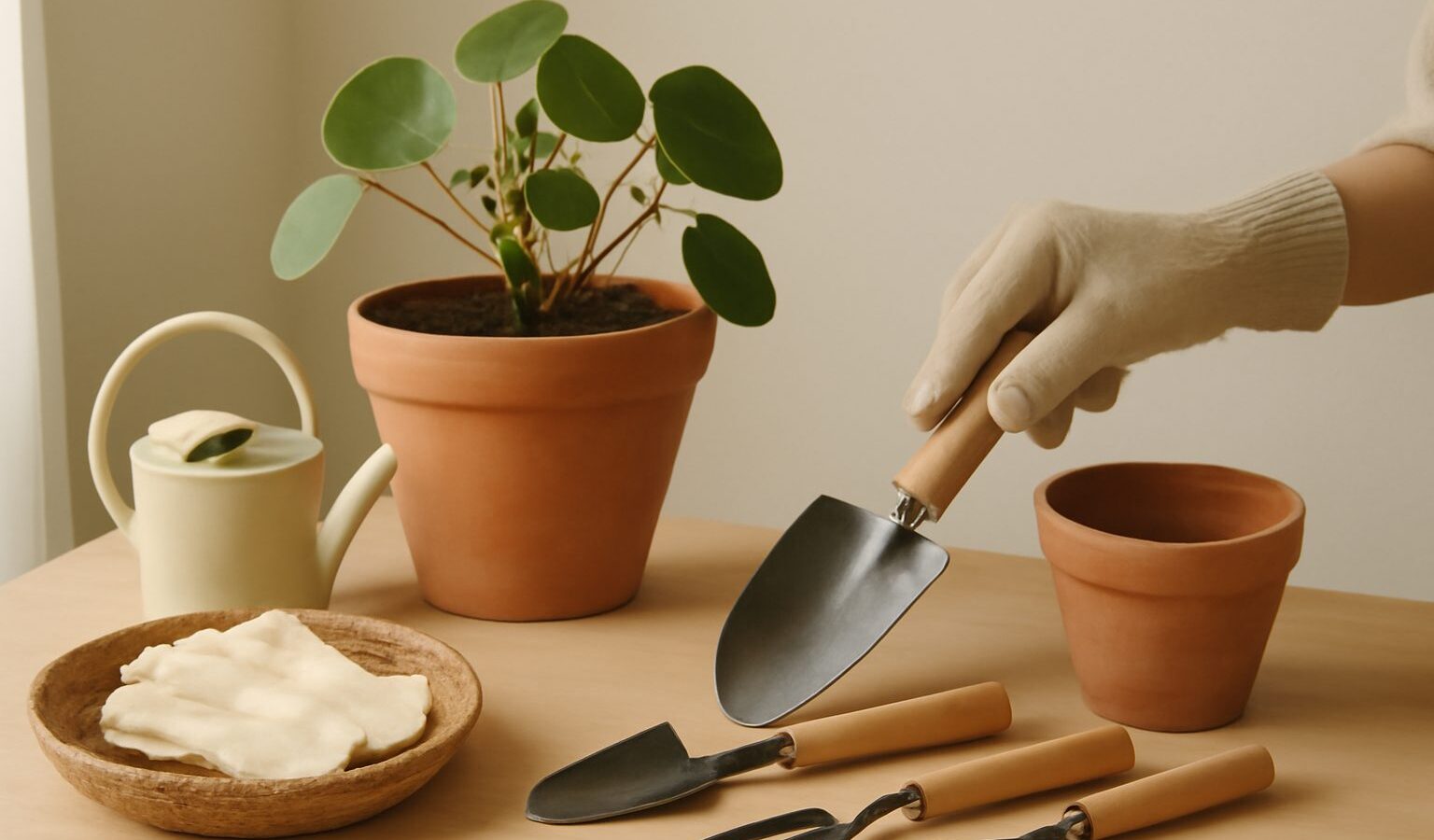
You do not need a shed full of equipment to grow well, and buying too much too soon is one of the most common beginner mistakes. A short, well-chosen gardening tools Singapore starter kit will carry you through almost everything a balcony, corridor garden or small yard demands, and each piece earns its keep from the first week. This is general guidance for home growers rather than a product review, so treat the suggestions as a checklist and choose whatever brands and price points suit you.
The advice here is deliberately brand-neutral. What matters far more than any logo is that a tool feels comfortable in your hand, is the right size for your plants, and can stand up to our climate. Heat, humidity and frequent rain are hard on cheap metal and flimsy plastic, so a few sensible choices at the start will save you replacing things every few months.
The Core Starter Kit
Begin with the handful of tools you will reach for again and again. Everything else can wait until a real need appears.
- A pair of secateurs. These handheld pruners are the single most useful tool you can own. Use them to trim, shape, deadhead spent flowers and take cuttings. Bypass secateurs, which cut like scissors with two crossing blades, give a clean cut on living stems and are the best all-round choice for beginners.
- A hand trowel. A sturdy trowel does the digging, planting, potting and lifting for container gardens and small beds alike. A metal head that will not bend under pressure is worth the small extra cost.
- A watering can with a fine rose. The removable rose, the perforated spout end, delivers a gentle shower that will not wash seedlings out of their mix. A can also lets you water at the roots and control exactly how much each plant receives.
- A pair of gardening gloves. Gloves protect your hands from sap, thorns, soil-borne organisms and the odd insect. A close-fitting, breathable pair keeps your hands cool enough to actually wear in our heat.
- A hand fork or cultivator. This small three-pronged tool loosens compacted mix, works in compost and teases out weeds among established roots.
With just these five items you can plant, water, feed, prune and tidy the great majority of a home garden. Master them before you add anything more.
Tools to Add as You Grow
Once you have outgrown the basics, a second wave of tools makes bigger jobs easier. Buy these only when you have a job that genuinely needs them, not in advance.
A garden hose with an adjustable nozzle saves endless trips with the watering can once your collection grows, and a soft spray setting is kinder to foliage than a hard jet. A spray bottle or hand mister is handy for applying diluted treatments and for cleaning dust off leaves, though misting alone does little for humidity. A pair of long-handled loppers tackles woody stems too thick for secateurs, which matters if you grow shrubs or small fruit trees. A folding pruning saw handles anything thicker still.
For anyone with a patch of ground rather than only pots, a full-size fork and spade become worthwhile, along with a garden rake for levelling and clearing. A small wheelbarrow or a sturdy trug saves your back when moving soil, compost and prunings. None of this is essential for a container garden, so resist the urge to buy it all at once.
Choosing Tools for Our Climate
Our weather is unusually tough on garden equipment, so a little thought at the point of buying pays off for years.
| Consideration | What to look for | Why it matters here |
|---|---|---|
| Rust resistance | Stainless steel or coated blades | Humidity and rain rust bare metal fast |
| Handle material | Sealed hardwood or tough plastic | Cheap timber swells, splits and grows mould |
| Grip and comfort | Cushioned, non-slip handles | Sweaty hands slip on hard, smooth grips |
| Blade quality | Replaceable, sharpenable blades | A resharpened tool outlasts a throwaway one |
| Size and weight | Matched to your plants and strength | Oversized tools tire you and damage small plants |
Cutting tools deserve extra attention. A sharp blade makes a clean cut that heals quickly, while a blunt one crushes and tears stems, leaving wounds that invite disease in our humid air. Look for secateurs whose blades can be resharpened and, ideally, replaced, so one good pair lasts for years.
Looking After Your Tools
Buying decent tools is only half the job, because in this climate neglected equipment corrodes and blunts within a single wet spell. A few minutes of care after each session keeps everything working and, just as importantly, stops your tools from spreading disease around the garden.
Wipe soil and sap off blades and metal heads every time you finish, then dry them thoroughly before they go away, as it is trapped moisture rather than use that rusts them. Every so often, wipe metal parts with a light film of oil to hold off corrosion. Sharpen cutting blades when they start to tear rather than slice, and oil any moving joints so they stay smooth.
Cleaning also matters for plant health. Wipe secateur blades with a little disinfectant or rubbing alcohol between plants, especially after cutting anything diseased, so you are not carrying infection from one plant to the next. Store everything under cover, off the ground and out of the rain, and keep sharp tools well out of reach of children.
Start Small and Build
The most useful thing a beginner can hear is that you already have almost everything you need in that short core list. A good pair of secateurs, a trowel, a watering can, gloves and a hand fork will see you through your first year and well beyond. Add to the collection only when a specific task in your own garden calls for it, choose tools that shrug off our heat and rain, and give them a quick clean after every use. Do that, and your kit will still be serving you long after the fashionable gadgets have rusted away in someone else’s shed.
Explore more
A Beginner’s Guide to Houseplants
How to Choose Pots and Planters
The Best Low-Maintenance Indoor Plants
Gardening in Singapore’s Tropical Climate