
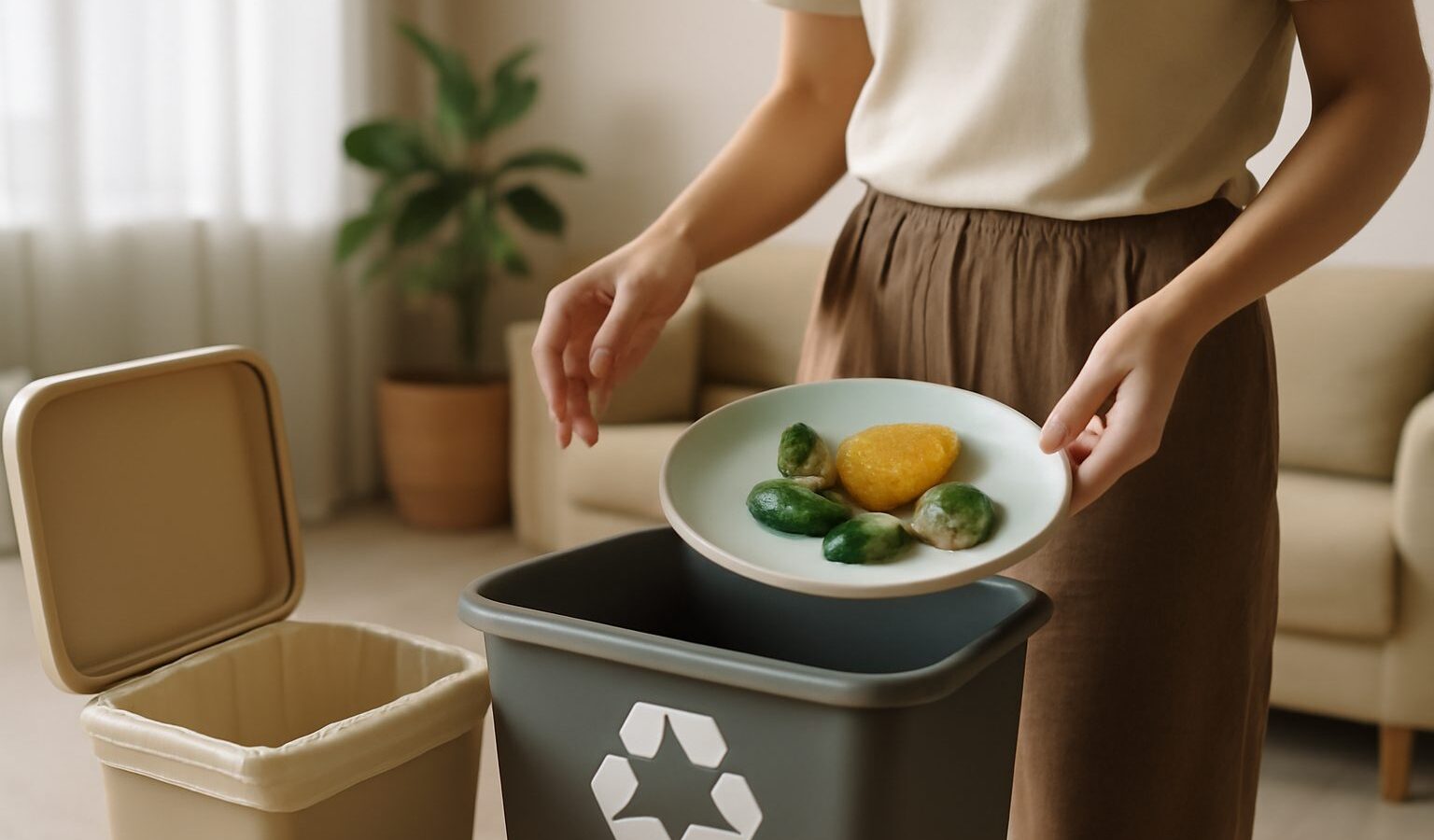
When you toss something into the rubbish chute, it does not simply disappear into a hole in the ground. In land-scarce Singapore, almost all of our non-recyclable rubbish is burned first, in a process called waste-to-energy. It is one of the least understood parts of daily life here, yet it quietly shapes how much space we have left at our only landfill and even feeds a little electricity back into the grid. Here is how the system actually works, what it does well, and where it falls short.
What Waste-to-Energy Means
Waste-to-energy, sometimes shortened to WTE, simply means burning refuse in a controlled way and capturing the heat to generate electricity. Rather than dumping rubbish straight into the ground, the material is incinerated at very high temperatures. This does two useful jobs at once. It shrinks the volume of waste by a large margin, which matters enormously when your only landfill is a man-made island, and it turns some of that rubbish into power.
Singapore leaned into this approach out of necessity. With little spare land and a dense population producing a lot of waste, burying everything was never an option. Incineration became the practical middle step between the bin and the sea. The plants that do this work are run under the oversight of the National Environment Agency (NEA), which sets and updates the standards they must meet.
Inside a Waste-to-Energy Plant, Step by Step
The process is more carefully controlled than the word “burning” suggests. In broad strokes, here is what happens after the collection truck arrives.
- Delivery and storage. General waste is tipped into a large enclosed bunker. A giant crane mixes and feeds it into the furnace, keeping the burn consistent.
- Combustion. The waste burns at high temperature. This is where the dramatic volume reduction happens, leaving only ash and metals behind.
- Energy recovery. The intense heat boils water into steam, which spins a turbine to generate electricity. Some of that power runs the plant itself, and the rest can feed into the grid. You can read more about the wider picture in our guide on where your electricity comes from in Singapore.
- Flue-gas cleaning. The gases produced are passed through treatment systems designed to remove pollutants before release, meeting the emission limits NEA sets.
- Ash handling. The leftover ash is collected, and metals are often recovered for recycling. The remaining ash is then sent onward for disposal.
That final ash does not stay in the city. It is barged out to sea, which is where our companion guide on Semakau Landfill and why it matters picks up the story.
What It Does Well, and What It Does Not
Waste-to-energy is genuinely clever, but it is not a magic solution, and it is honest to say so. It sits below reducing and recycling in the waste hierarchy for good reason: burning something is still losing it. The comparison below lays out how the three main paths for our rubbish stack up.
| Approach | Main benefit | Main drawback |
|---|---|---|
| Reduce and reuse | Nothing is wasted or burned at all | Requires changing habits and buying less |
| Recycling | Keeps materials in use and out of the furnace | Only works if items are clean and sorted right |
| Waste-to-energy | Shrinks volume and recovers some electricity | Materials are lost, and it produces ash and emissions |
Read that way, waste-to-energy is best understood as a safety net for what we could not avoid or recycle, not as a licence to throw more away. The more we recycle correctly, the less has to be burned. If contaminated recycling ends up in the general waste stream, it simply gets incinerated, which is why avoiding recycling contamination matters so much.
Where the Ash and Emissions Go
Two by-products come out of every plant: ash and cleaned flue gas. The ash, much reduced in volume from the original waste, is transported to the Tuas Marine Transfer Station and then barged to Semakau Landfill, where it is placed in lined cells. Metals mixed into the ash can be sorted out and recycled rather than buried.
The gases are treated before release to meet the standards NEA enforces, and those standards are reviewed over time. Because the exact rules, technologies and figures change, it is worth checking NEA’s current guidance rather than assuming the plant of ten years ago is the plant of today. What has not changed is the underlying trade-off: incineration reduces volume and recovers energy, but it is not emission-free, and the ash still needs somewhere to go.
This is also why the order of the waste hierarchy matters in practice. Recovering energy from rubbish is better than burying it raw, but it sits well below simply using less. A plastic tray burned for a flicker of electricity is still a plastic tray gone forever, along with the resources and effort that made it. Seen that way, the cleanest kilowatt is the one you never needed, and the best bin bag is the light one.
How to Make the System Work Less Hard
The best thing you can do for the waste-to-energy system is give it less to do. Every kilogram kept out of the furnace saves both energy and precious landfill space. A few practical habits go a long way.
- Recycle correctly. Rinse and dry containers, keep recyclables loose, and check the current NEA blue-bin guidance when unsure. Clean recycling never reaches the furnace.
- Cut food waste. Wet food burns inefficiently and adds weight. Buy and cook what you will actually finish.
- Refuse single-use items. Decline extra plastics and ask for no disposable cutlery, especially on food delivery. See our tips on reducing disposables when dining out in Singapore.
- Repair, donate and pass on. Keep furniture, clothes and electronics in use rather than binning them.
- Buy with less packaging. Choose products designed to last and to be recycled at the end.
Waste-to-energy is a smart response to a hard problem, turning what we cannot avoid into a little electricity while sparing scarce land. But it works best as the last line of defence, not the first. The real win is upstream, in the small daily choices that mean there is simply less to burn in the first place.