
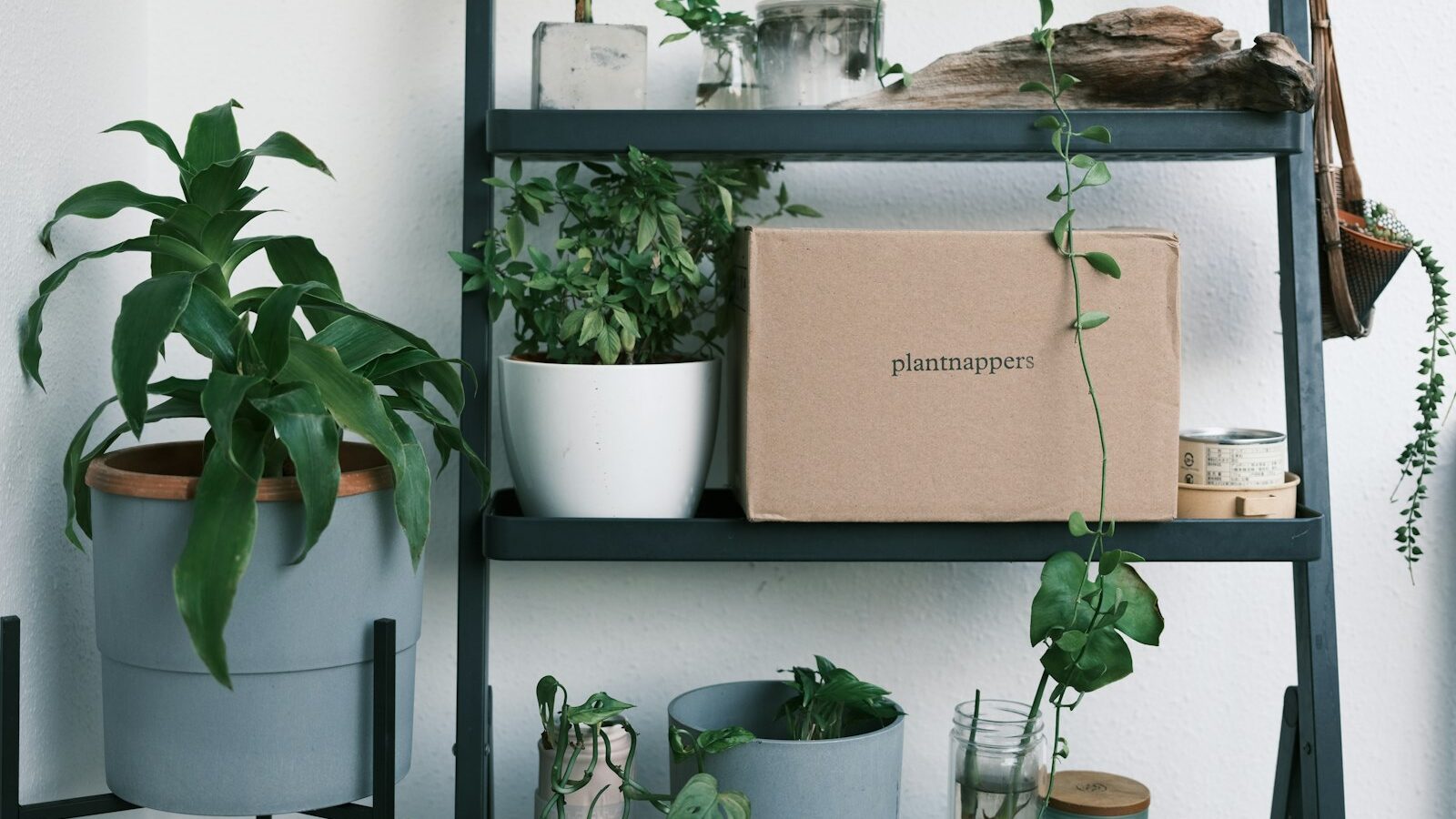
Air purifying plants are one of the most searched reasons people bring greenery indoors, and it is easy to see why. A leafy corner softens a boxy HDB living room, lifts the mood, and makes a flat feel calmer and more lived in. Before we get to the plant list though, it is worth being honest about what these plants actually do, so you can enjoy them for the right reasons rather than treating them as a machine.
This guide covers the realistic benefits, a handful of hardy species that thrive in our hot, humid climate, where to put them in a flat or condo, and how to water them without breeding mosquitoes.
What Air Purifying Plants Really Do
You have probably seen headlines claiming a few pot plants can scrub a room clean. The truth is gentler. Yes, houseplants take in some gases and give off oxygen, and the famous laboratory studies did show leaves absorbing certain compounds. But those tests were done in small sealed chambers, not a real home with open windows, doors and airflow. In an actual living room you would need an impractical number of plants to match even a short spell of opening the windows.
So treat the air cleaning as a modest, welcome bonus, not the main event. Plants are not a substitute for ventilation. The best things you can do for indoor air in Singapore are simple: open windows when the weather and haze levels allow, run a proper air purifier if someone in the home has allergies or asthma, keep the flat free of damp and mould, and avoid smoking indoors. Where plants genuinely shine is in wellbeing. Greenery lowers stress, adds humidity, dampens noise a little, and gives you a small daily ritual of care. That is reason enough to grow them.
Easy Air Purifying Plants for Singapore Homes
The good news is that many of the plants people reach for are also tough, forgiving and well suited to our climate. Here are reliable choices for a beginner.
- Snake plant (sansevieria): Almost impossible to kill. It copes with low light, forgives missed watering, and suits a corridor or a dim corner.
- Peace lily: Handsome dark leaves and white blooms, happy in shade, and quick to droop when thirsty so it tells you when to water.
- Spider plant: Fast, cheerful and easy to propagate from the little plantlets it throws out. Great for a shelf or a hanging pot.
- Pothos (money plant): A trailing vine that grows in water or soil and tolerates neglect. Ideal for a high shelf or a ledge.
- ZZ plant: Glossy and drought proof, perfect for the black thumbs and the frequent travellers among us.
- Aglaonema (Chinese evergreen): Colourful leaves, low light tolerant and steady. See our full guide to caring for aglaonema.
- Cast iron plant: As the name suggests, it shrugs off dim spots and irregular care. Read more on the cast iron plant.
A Quick Comparison to Help You Choose
Different plants suit different corners of a flat. Use this to match a plant to your light and your patience.
| Plant | Light it likes | Watering | Best for |
|---|---|---|---|
| Snake plant | Low to bright | Sparse, let it dry | Beginners, dim corners |
| Peace lily | Low to medium shade | When leaves droop | People who like a flower |
| Spider plant | Medium, indirect | Keep lightly moist | Shelves and hanging pots |
| Pothos | Low to bright shade | When top soil dries | Ledges and trailing displays |
| ZZ plant | Low to medium | Every couple of weeks | Frequent travellers |
Where to Place Them in an HDB or Condo
Most of these plants prefer bright but indirect light, meaning near a window but not baking in the harsh afternoon sun that streams through Singapore glass. A spot a metre or so back from a window is usually ideal. Kitchen and bathroom windowsills suit humidity lovers, while snake plants and ZZ plants will hold their own in a gloomier hallway.
Watch the aircon. Cold, dry air blowing directly onto leaves will crisp the edges, so keep pots out of the draught. If you grow anything along a common corridor, check your town council rules first, keep pots off the ledge where they could fall, and make sure they do not block the walkway. Wipe dust off broad leaves now and then with a damp cloth, since a clean leaf breathes and photosynthesises better.
Watering Without Breeding Mosquitoes
This is the one non-negotiable habit for any indoor grower in Singapore. Stagnant water in pot saucers, decorative outer pots and propagation jars is a perfect nursery for Aedes mosquitoes, which spread dengue. Make these part of your routine:
- Empty the saucer under each pot after watering rather than letting water sit for days.
- If you root cuttings in water, change the water every couple of days and rinse the jar.
- Tip out any water that collects in outer cover pots and plant trays.
- After heavy monsoon rain, check balcony pots and clear any pooled water.
These are the same Mozzie Wipeout habits NEA promotes, and they take seconds. Follow current NEA guidance during dengue clusters.
Toxic Picks to Watch With Kids and Pets
Several popular air purifying plants are mildly to moderately toxic if chewed, which matters in homes with curious toddlers, cats or dogs. Peace lily, pothos, aglaonema and the wider aroid family contain crystals that irritate the mouth and stomach, and their sap can bother skin and eyes. Snake plant and ZZ plant are also mildly toxic if eaten.
None of this means you must avoid them, but do place them out of reach, wear gloves and wash your hands when you cut stems, and teach children not to nibble houseplants. If a person or pet swallows part of a toxic plant, keep calm and seek medical or veterinary help. If you would rather not risk it, spider plants are a safer, non toxic choice for a home with pets. This article is general information for home growers, not medical or veterinary advice.
Explore more: bring greenery into other rooms with our guides to plants for your bedroom and plants for your bathroom.