
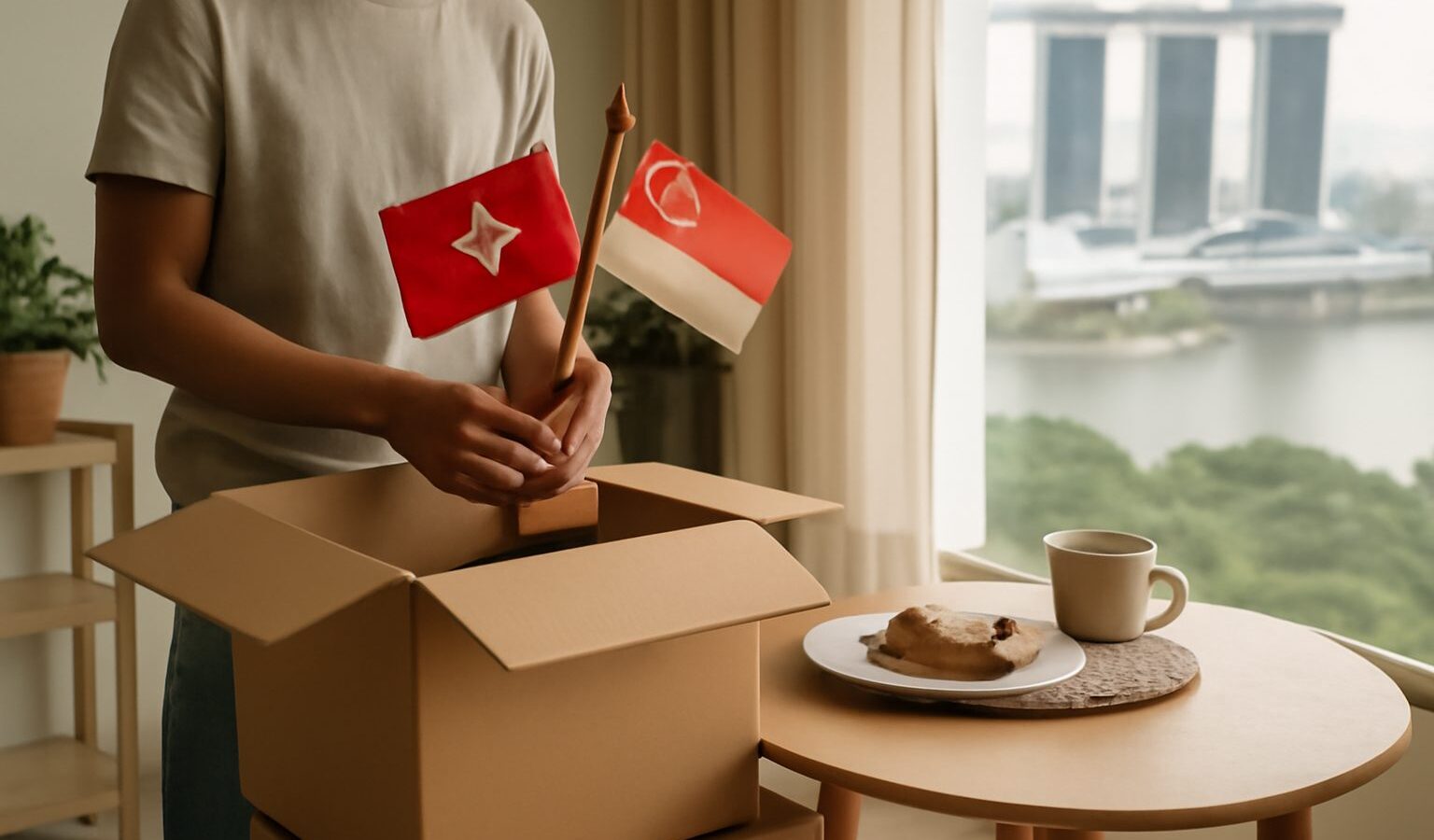
Moving to Singapore from Hong Kong is one of the more natural relocations an Asian city dweller can make, because so much will feel instantly recognisable. Both are dense, fast, cosmopolitan financial hubs where English is widely spoken, public transport is excellent and the region is on your doorstep. Yet under that surface familiarity lie real differences in space, climate, culture and rhythm that shape daily life, and knowing them in advance makes for a smoother landing.
This is a general orientation for people considering or planning the move, not immigration, tax or legal advice. For anything to do with visas and work passes, always rely on the Ministry of Manpower (MOM) and the Immigration and Checkpoints Authority (ICA), whose rules are the ones that count and which change from time to time.
What will feel familiar
If you are used to Hong Kong, a great deal of Singapore will slot into place quickly. Both cities run on efficient rail networks, so you can live comfortably without a car. English is an official language and the working language of business, which removes much of the friction newcomers face elsewhere. Both are safe, well organised and highly international, with large expatriate communities and a strong culture of eating out.
The financial and professional worlds overlap heavily too. Many industries, banking, shipping, trading, tech and professional services, have a strong presence in both cities, and the two are often compared as regional headquarters. Weekend habits translate well, from brunch culture to hiking, and the wider region is easy to explore from either base.
You will also recognise the multicultural, food obsessed spirit. Singapore’s hawker centres will feel like cousins of Hong Kong’s cha chaan teng and dai pai dong. The love of a good, cheap meal is common ground, even if the specific dishes differ.
What will feel different
The differences are subtle at first, then become the texture of daily life. Space is the big one. While both cities are dense, Singapore generally feels greener and more spread out, with parks, tree lined roads and a strong emphasis on greenery woven through the city. Hong Kong’s dramatic vertical density and mountainous backdrop give way to a flatter, more landscaped environment.
Climate is another. Hong Kong has distinct seasons, including a genuinely cool, dry winter and a hot, humid summer. Singapore sits almost on the equator and is warm and humid all year, with no real seasons and frequent short downpours. Many newcomers welcome never being cold again, but the constant humidity takes some getting used to, and you will live in and out of air conditioning.
The pace and mood differ as well. Both are hardworking cities, but Singapore often feels more orderly, planned and rule bound, where Hong Kong can feel more freewheeling and intense. Singapore places a high value on social harmony, cleanliness and following the rules, and enforcement of things like littering and jaywalking is taken seriously. Adjusting to that structure is part of settling in.
Culturally, Cantonese is central to Hong Kong life, while Singapore is a blend of Chinese, Malay, Indian and other communities, with English as the common thread and Mandarin, Malay and Tamil also official. If you speak Cantonese, you will find some speakers, but it is far less dominant, and Singlish, the local English creole, is its own delightful learning curve.
A quick side by side
The table below sets out common contrasts in general terms. Use it to orient yourself rather than as a precise measure, since individual circumstances vary widely.
| At a glance | Hong Kong | Singapore |
|---|---|---|
| Climate | Four seasons, cool winters | Warm and humid all year |
| Feel of the city | Vertical, intense, energetic | Green, planned, orderly |
| Main spoken language | Cantonese, with English | English, plus Mandarin, Malay, Tamil |
| Getting around | Excellent rail, very walkable | Excellent rail, very liveable car free |
| Culture and rules | Freewheeling, fast | Orderly, harmony and rules valued |
| Food culture | Cha chaan teng, dim sum | Hawker centres, mixed cuisines |
Cost, housing and daily life
Both cities are known for being expensive, particularly for housing, and neither is a budget destination. Rather than quote figures that quickly date, the honest guidance is to research current rents, school fees and everyday costs for your specific situation before you commit, using up to date listings and cost of living tools. What you can count on is that housing will likely be one of your biggest expenses in either city, and that trading a little location convenience for space is a common compromise.
Housing itself differs in character. Singapore’s public housing, the HDB flats where most residents live, is a defining feature and is generally more spacious than equivalent Hong Kong flats, while private condominiums often come with shared facilities like pools and gyms. Newcomers on work passes typically rent, and it pays to understand neighbourhoods before signing anything.
Daily admin, from opening a bank account to getting a local SIM and transport card, is straightforward and efficient. Healthcare is high quality, with a mix of public and private options, though as a newcomer you will want appropriate insurance and should understand how coverage works for non residents.
Settling in well
Give yourself a season to adjust rather than expecting to feel at home in a week. Because the surface is so familiar, some people underestimate the smaller adjustments and feel oddly unsettled when they arrive. Naming that, and being patient, helps.
Lean on the strong Hong Kong and wider expat networks already in Singapore, but resist staying only within them. Some of the richest parts of living here come from getting to know locals, exploring hawker culture beyond the tourist favourites, and picking up the rhythms of neighbourhood life. Learning a few local expressions and food names goes a long way.
Finally, keep your paperwork in order and plan ahead. Sort your work pass through your employer, understand your tenancy, arrange schooling early if you have children, and give yourself a financial buffer for setup costs. For anything about eligibility, passes or residency, go straight to MOM and ICA and confirm the current rules, since those are the details that truly matter and they do change.
Moving to Singapore from Hong Kong is, for most people, a comfortable transition between two remarkable cities. Go in expecting a familiar frame with a different feel, and you will settle faster and enjoy the change all the more.
Explore more
Singapore vs Hong Kong for Expats
Singapore Work Pass Guide
Best Places to Live
Cost of Living Comparison