
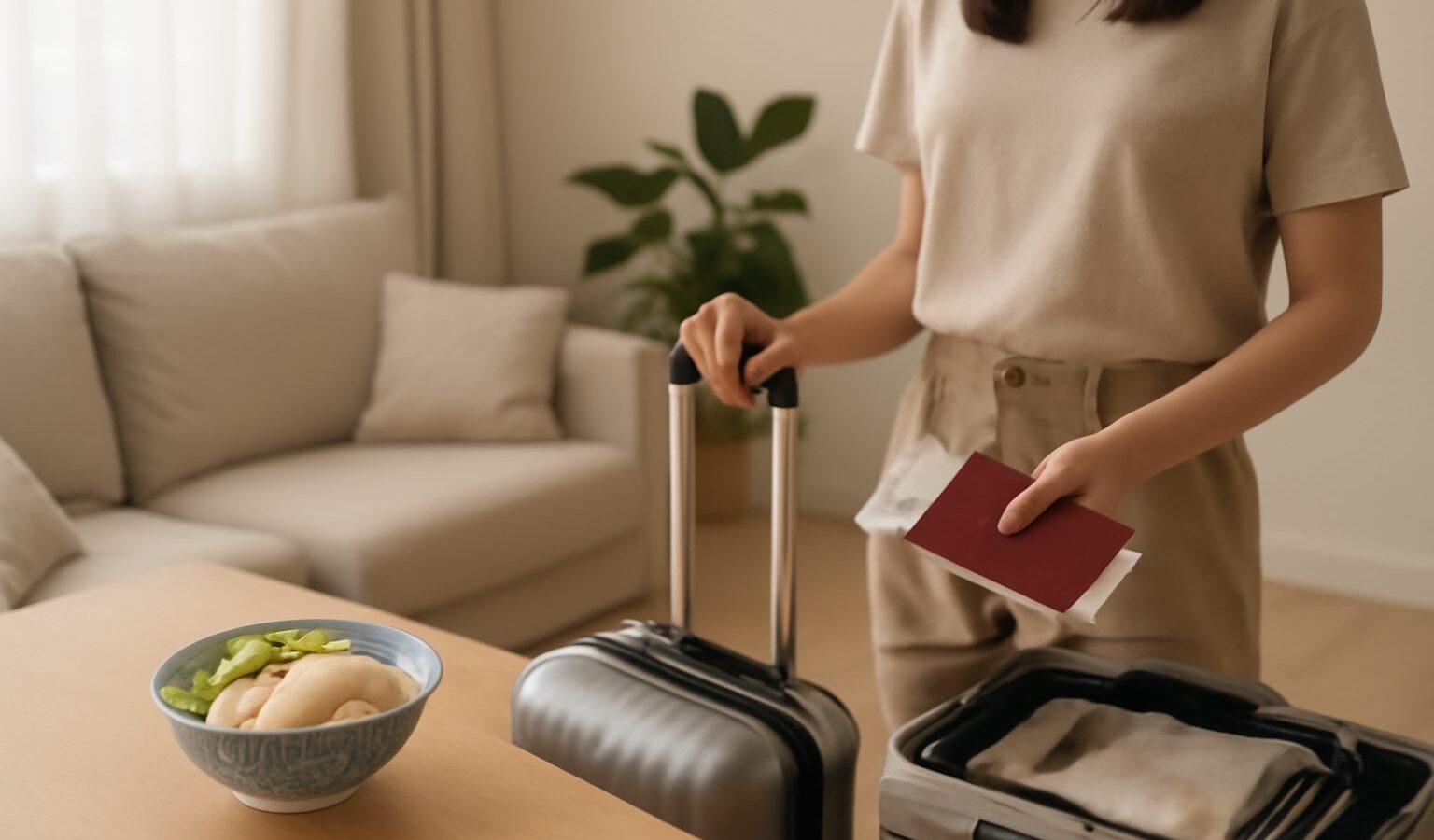
Moving to Singapore from Japan means swapping one famously safe, orderly and well run society for another, which is why many Japanese newcomers settle in more easily than they expect. The two places share a deep respect for cleanliness, public order and quality, and Singapore is home to a long established and well supported Japanese community. At the same time, the climate, language landscape and daily rhythm are genuinely different, and understanding those differences early makes the move far smoother.
This is general orientation for anyone considering or planning the move, not immigration, tax or legal advice. For work passes, visas and residency, always follow the Ministry of Manpower (MOM) and the Immigration and Checkpoints Authority (ICA), whose current rules are the ones that apply and which are updated from time to time.
What will feel familiar
Coming from Japan, several things about Singapore will feel reassuringly recognisable. Both societies prize safety, and you will likely feel comfortable walking around at night, using public transport late and trusting that lost items are often returned. Both value order and cleanliness, and Singapore’s emphasis on keeping public spaces tidy, with real enforcement against littering, will not feel alien to anyone used to Japanese standards.
Public transport is another point of comfort. Singapore’s MRT and bus network is efficient, punctual and easy to use, so many residents live happily without a car, much as city dwellers do in Tokyo or Osaka. Service standards in shops, restaurants and services are generally high, and the overall sense of a smoothly functioning city will feel familiar.
There is also a strong Japanese presence to lean on. Singapore has Japanese supermarkets, restaurants, bookshops, clinics with Japanese speaking staff, and a Japanese school, along with community groups and associations. Japanese food is genuinely popular and widely available, so you will not have to give up the flavours of home.
What will feel different
The biggest immediate change is the weather. Japan has four distinct seasons, from snowy winters to hot summers and beautiful spring and autumn transitions. Singapore sits near the equator and is warm and humid throughout the year, with no seasons and frequent short, heavy showers. Many people love escaping cold winters, but the constant heat and humidity, and living between outdoor warmth and strong indoor air conditioning, takes adjustment.
Language is another shift. In Japan, daily life runs largely in Japanese. In Singapore, English is the working language and is used everywhere, from government services to shops and schools. This makes settling in easier for those comfortable in English, and it can be a real change for anyone used to operating mostly in Japanese. You will also encounter Singlish, the colourful local English, plus Mandarin, Malay and Tamil as official languages.
Culturally, Singapore is a multicultural blend of Chinese, Malay, Indian and other communities, rather than the more homogeneous society many are used to in Japan. Festivals, food, places of worship and everyday customs reflect that diversity, which is one of the great pleasures of living here. Social etiquette is a little more direct and relaxed in some settings than the formality of Japanese business culture, though politeness and respect remain highly valued.
Food, beyond the familiar Japanese options, is a daily adventure. Hawker centres serve affordable dishes from many cultures, and eating out is a national pastime. The flavours run bolder and spicier than much of Japanese cuisine, so exploring with an open mind is part of the fun.
A quick side by side
The table below sets out common contrasts in general terms. Treat it as orientation rather than a precise measure, since everyone’s circumstances differ.
| At a glance | Japan | Singapore |
|---|---|---|
| Climate | Four distinct seasons | Warm and humid all year |
| Everyday language | Mainly Japanese | English, plus Mandarin, Malay, Tamil |
| Society | More homogeneous | Multicultural mix |
| Getting around | Excellent rail, car optional | Excellent MRT, car optional |
| Food culture | Refined Japanese cuisine | Diverse, bold hawker fare |
| Shared values | Safety, order, cleanliness | Safety, order, cleanliness |
Cost, housing and daily life
Both Singapore and major Japanese cities can be expensive, and housing is usually the largest cost in either place. Rather than quote figures that date quickly, the sensible approach is to research current rents, school fees and everyday prices for your own situation using up to date listings and cost of living tools before you commit. Central, spacious homes command a premium, and many newcomers trade a little location convenience for more room.
Housing differs in character too. Most Singapore residents live in HDB public flats, which are generally roomier than compact city apartments in Japan, while private condominiums often include shared pools and gyms. Newcomers on work passes typically rent, so it helps to learn the neighbourhoods before signing a tenancy.
Everyday admin is efficient, from opening a bank account to getting a local SIM and public transport card. Healthcare is high quality, with public and private options, but as a newcomer you should arrange suitable insurance and understand how coverage works before you need it.
Settling in well
Give yourself time to adapt to the heat above all, staying hydrated, dressing lightly and pacing outdoor activity in the hottest hours. Your body adjusts, but not overnight.
Use the strong Japanese community as a soft landing without letting it become your whole world. The Japanese supermarkets, clinics and associations are wonderful support, especially in the early weeks, yet the most rewarding parts of life here often come from getting to know the wider city, exploring hawker food, and making friends across cultures. A little curiosity, and a few words of Singlish or a Malay greeting, goes a long way.
Plan the practicalities early. Arrange your work pass through your employer, sort schooling in good time if you have children, understand your tenancy, and keep a financial buffer for setup costs. For anything about eligibility, passes or residency, go directly to MOM and ICA and confirm the current requirements, because those official rules are what truly govern your move and they do change.
For many Japanese newcomers, moving to Singapore from Japan feels like stepping into a warmer, more multicultural version of the safe, orderly life they already value. Arrive open to the differences, and the island quickly starts to feel like home.
Explore more
Moving to Singapore Checklist
First Month in Singapore
Singapore Etiquette for Newcomers
Healthcare for Newcomers